
Key Takeaways
- Two sites, one journey: Ajanta and Ellora are separate cave complexes, about 100 km apart, each offering a completely different yet equally powerful experience of ancient Indian art, faith, and engineering.
- Plan your time well: Ajanta deserves a full day, while Ellora can be comfortably explored in half a day along with nearby attractions like Bibi ka Maqbara or Daulatabad Fort.
- History comes alive with context: Hiring a local guide helps you truly understand the murals, carvings, and stories behind the caves — especially the Jataka tales at Ajanta and the Kailasa Temple at Ellora.
- Best visited in cooler months: October to February offers the most comfortable weather for walking, exploring, and slow observation.
- Aurangabad is the ideal base: Chhatrapati Sambhaji Nagar (Aurangabad) makes travel between the two sites easier and more efficient.
- Slow travel rewards you: These caves are not about rushing from one highlight to another — take your time, observe closely, and let the details unfold.
Ajanta and Ellora Caves in India are two UNESCO World Heritage Sites and are an astonishing demonstration of ancient craft, devotion and imagination. Situated among the dry, rolling hills of north-west Maharashtra, the two caves are located at a distance of 62 miles (approximately 100 km) from each other.
In this blog, we will walk you through everything you need to know before planning- from their history to other places to visit near them, we have got you covered.
A brief history (so you feel the place before you arrive)
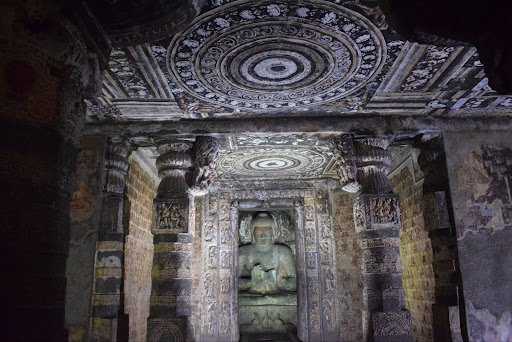
These caves of Ajanta were carved and painted in two major phases- roughly the early centuries BCE and in the Renaissance in the late 400s CE. Inside, you will find murals and sculptures that narrate Jataka tales (stories of the Buddha’s previous lives) and courtly scenes – colours and gestures that still feel human after 1500 years.
Cave 1, Caves 2, Cave 10, Cave 17 and Cave 26 will surprise you!
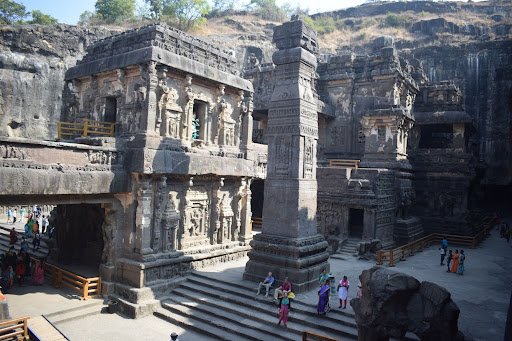
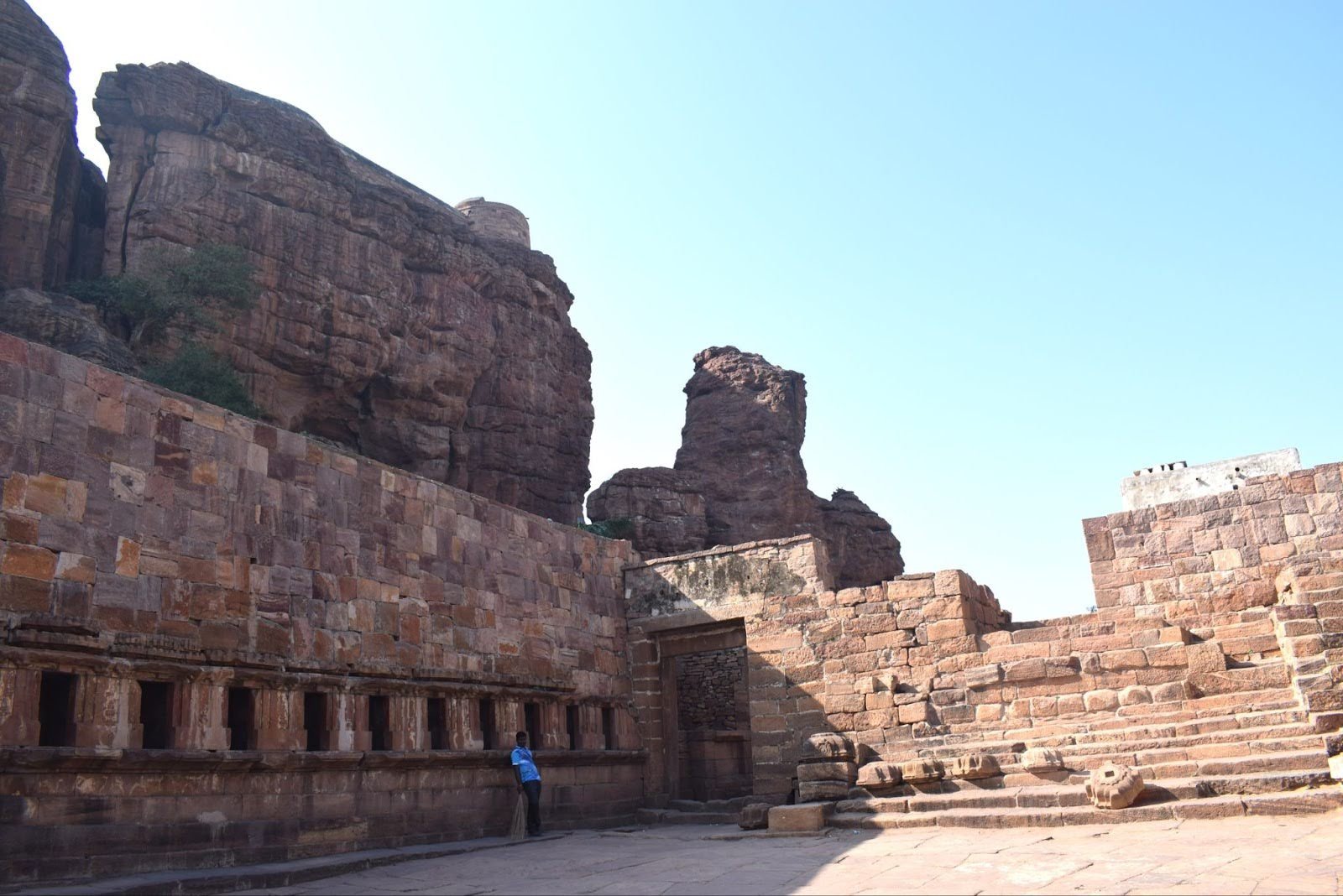
Ellora is later in date and astonishing in scale; the Kailasa temple (Cave 16) at Ellora was carved top-down from one single rock and stands as a triumph of temple architecture and stone-working across the 6th-10th centuries CE, representing Buddhist, Hindu and Jain traditions side by side. It is believed that nearly ten generations of artisans worked on Ellora for more than two centuries.
Do not miss Cave 1, Cave 2 and Cave 16!
All booking information (get ready for planning)
The Archaeological Survey of India (ASI) manages tickets for both sites, and online booking portals for many monuments.
Category | On-Site/Counter Price (Approx.) | Online Price (Approx.) |
Foreign Nationals | ₹600 | ₹550 |
Indians/SAARC/BIMSTEC | ₹40 | ₹35 |
Children under 15 | Free | Free |
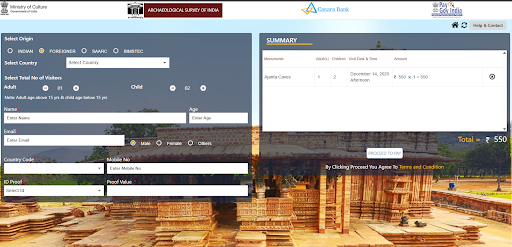
The Ajanta Caves are generally open from 9 am to 5 pm; they are closed on Monday, while the Ellora Caves are open from sunrise to sunset and closed on Tuesdays. You might also incur some sites that charge an extra fee for video cameras- check at the ticket counter.
How to get to Ajanta and Ellora Caves (from Mumbai)
The nearest major city is Chhatrapati Sambhaji Nagar (formerly Aurangabad), and that’s the practical base for visiting both sites.
Fly: Mumbai – Aurangabad Airport (domestic flight ~ 1 hour).
Train: It takes around 7 hours to reach Chhattrapati Sambhaji Nagar via Mumbai. There are AC Chair cars and AC tier sleepers available
Land: Driving from Mumbai to Chhattrapati Sambhaji Nagar is about 300 to 350 km (roughly 6-8 hours)
Practical tip: Ajanta is farther from the city than Ellora. Expect a full day at Ajanta, and don’t forget to start early; you can comfortably do Ellora plus other sites in Chhattrapati Sambhaji Nagar in half a day. Plan for 2 days minimum, where you can soak up all the experiences and add a few on your way.
Other places to visit on the Ajanta and Ellora Caves Trip
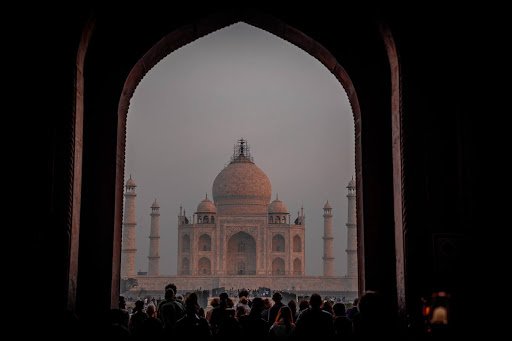
- Bibi ka Maqbara- also called the Baby Taj Mahal, it has a Mughal-era mausoleum and photo opportunities (This can be combined with the Ellora trip)
- Daulatabad Fort- hill fort and excellent sunset views. (This can be combined with the Ellora trip)
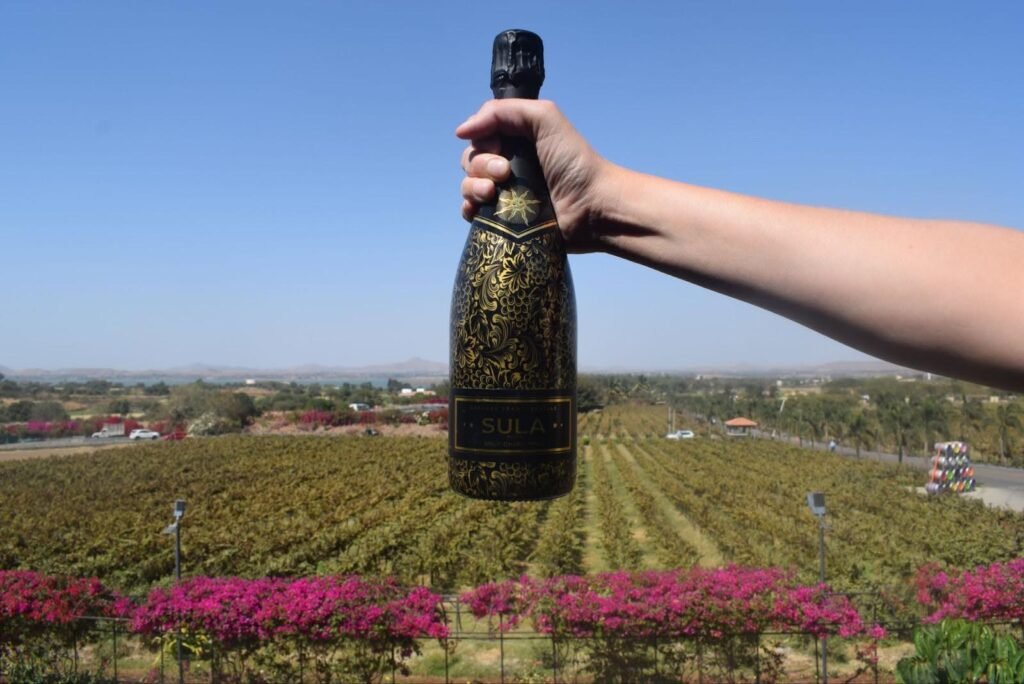
- Nashik- you can add this city to your itinerary for one day. Visit Sula Vineyards (covering 160 acres of land, which wine lovers won’t want to miss). Walk through the lush vineyards, learn the art of wine-making, and taste the wine, of course! In the afternoon, you can visit other sights in Nashik city.
Heading back to the coast after your cave adventure? Make every hour count with our guide: A Complete Guide to Mumbai Darshan: See the City Before It Sleeps.
Travel Essentials: When to Visit and What to Keep in Mind While Travelling to Ajanta and Ellora Caves
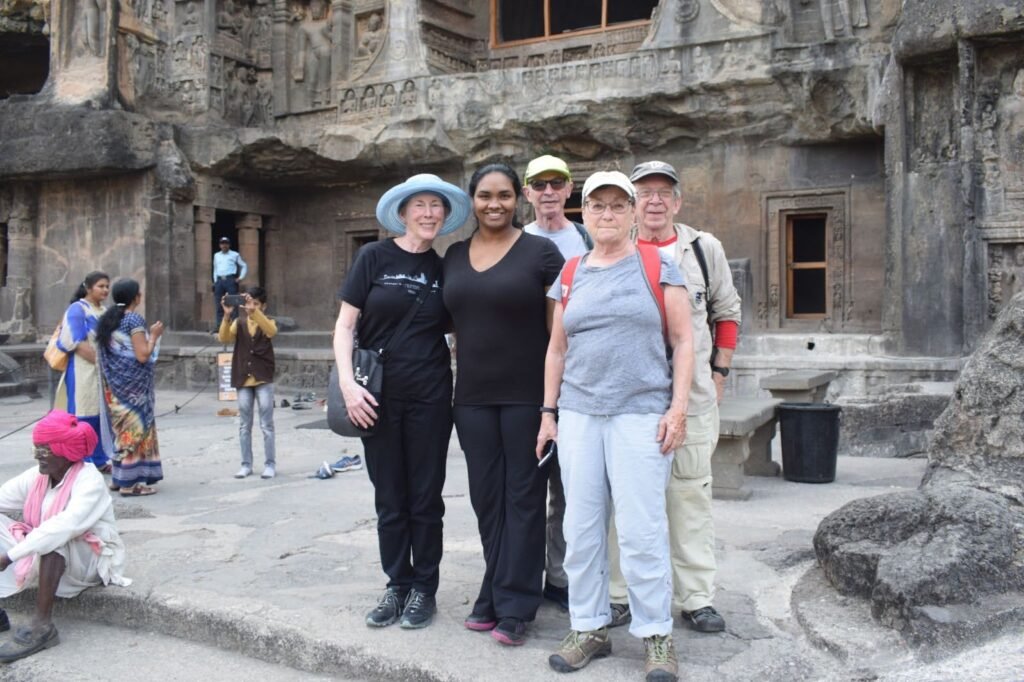
Best time to visit:
October to February is the best time to visit the caves, as it is cooler. Avoid peak summer months (mid-March to May) if you hate heat – not only can the temperatures be punishing, but they can also be crowded. Monsoon (June-September) makes the landscape greener, but heavy rains can affect road travel.
Local guides are worth it:
A local guide can help you understand the stories behind the paintings and the meaning behind the carvings. Ask about the best light and least crowded timings if you want to take good photographers.
Clothing, Footwear & Comfort Tips:
Wear comfortable shoes and clothes; cave interiors can be cool, and the walk between groups of caves involves steps. Stay sun-protected; shade is limited between monuments, especially at Ellora’s open courtyards.
Before You Wrap Up Your Plans
Ajanta and Ellora are more than just “things to tick off”. They are sites that reward slow looking, as it is about stepping into stories, skills and ideas that have survived for centuries.
For many travellers, the highlight isn’t just what they see, it is an experience that lingers for a long time after the tour.
Whether it is your first time visiting Ajanta and Ellora Caves or a return trip, the place offers something new every time. Go with curiosity, take your time, and let the place unfold naturally.
FAQs
Get moving by 5:30 AM. You beat the heat, catch markets at their busiest, and finish major spots before crowds triple in size.
You'll hit the main landmarks and feel the city's pulse. But Mumbai needs more time. One day I will introduce you. More days let you actually know the place.
Completely safe when you go with a legit tour operator who knows the community. Residents are welcoming and happy to share their work with respectful visitors.
Comfortable walking shoes matter most. Mumbai humidity is brutal, so wear light cotton or breathable fabric. Cover shoulders and knees for religious sites.
Mix local trains, cabs, autos, and your own feet. Metro covers major areas now too. Trains work great outside rush hours. During peak times? Prepare for serious crowds.