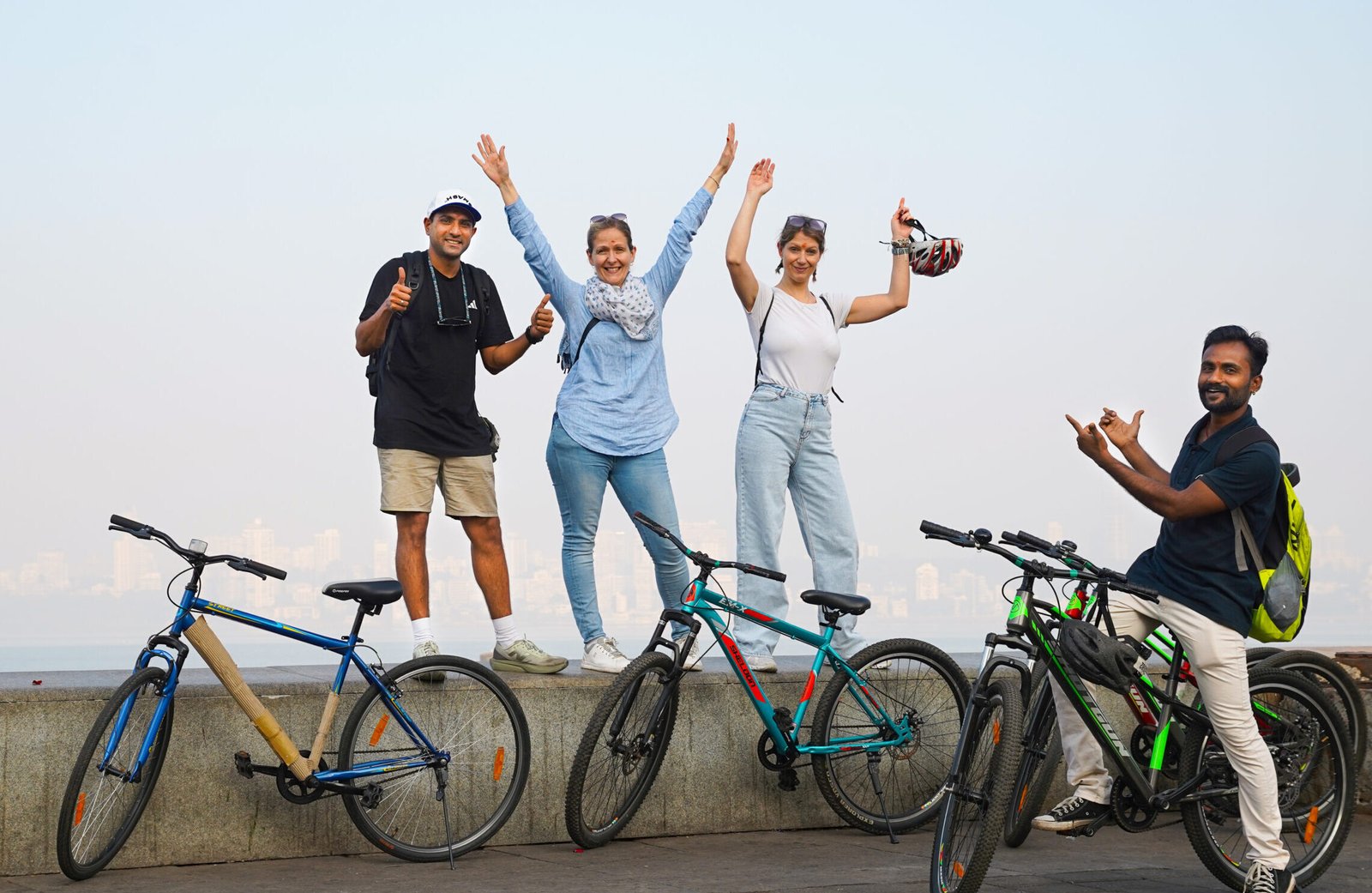
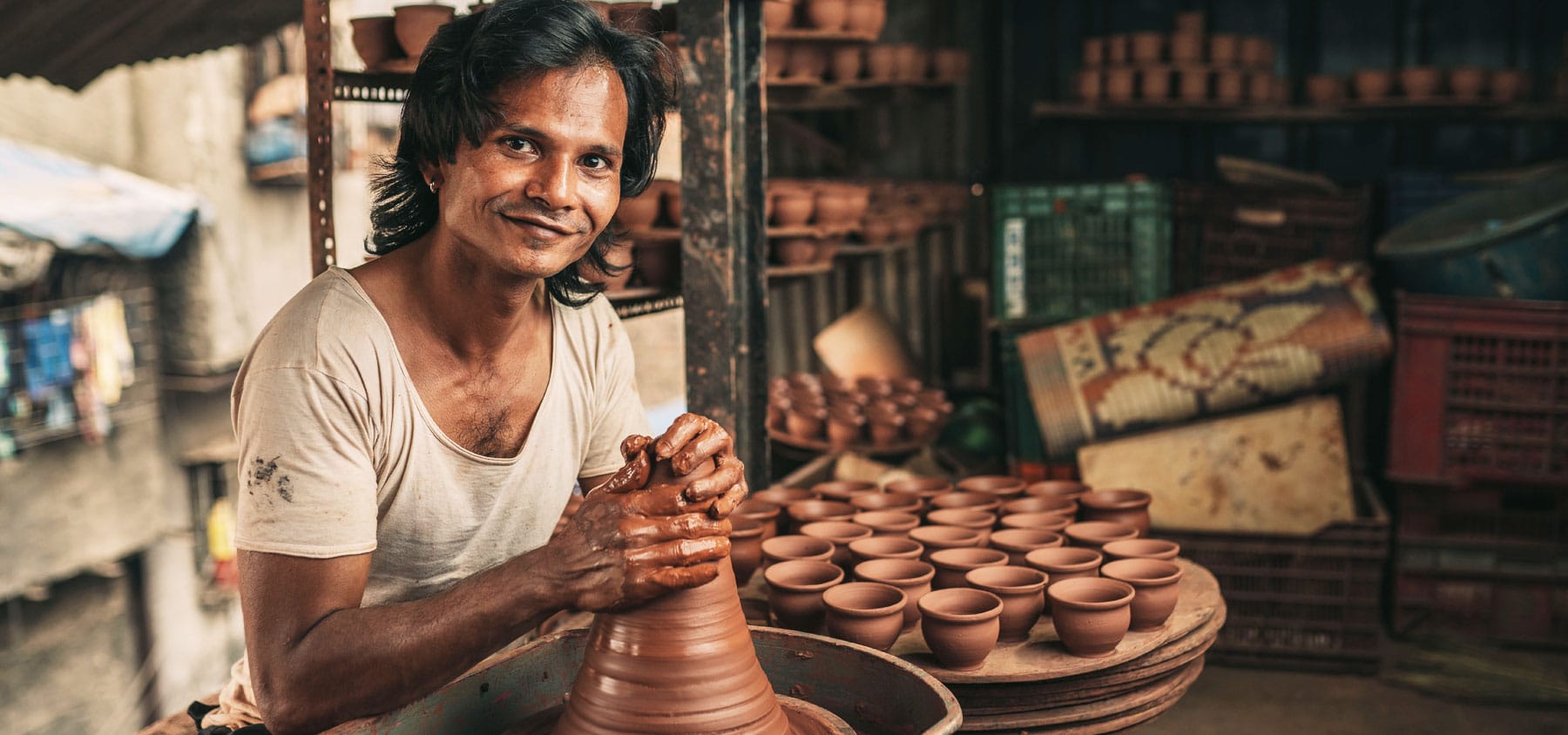
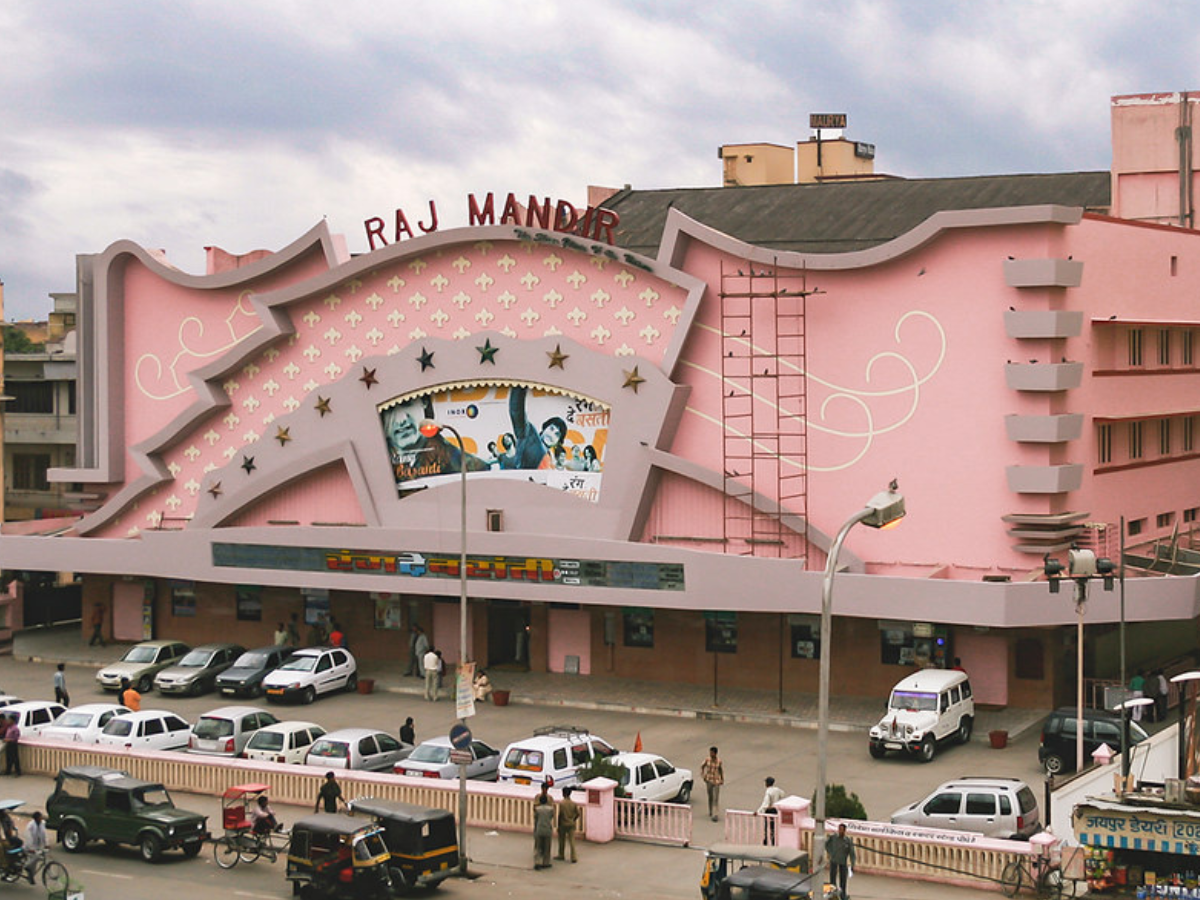
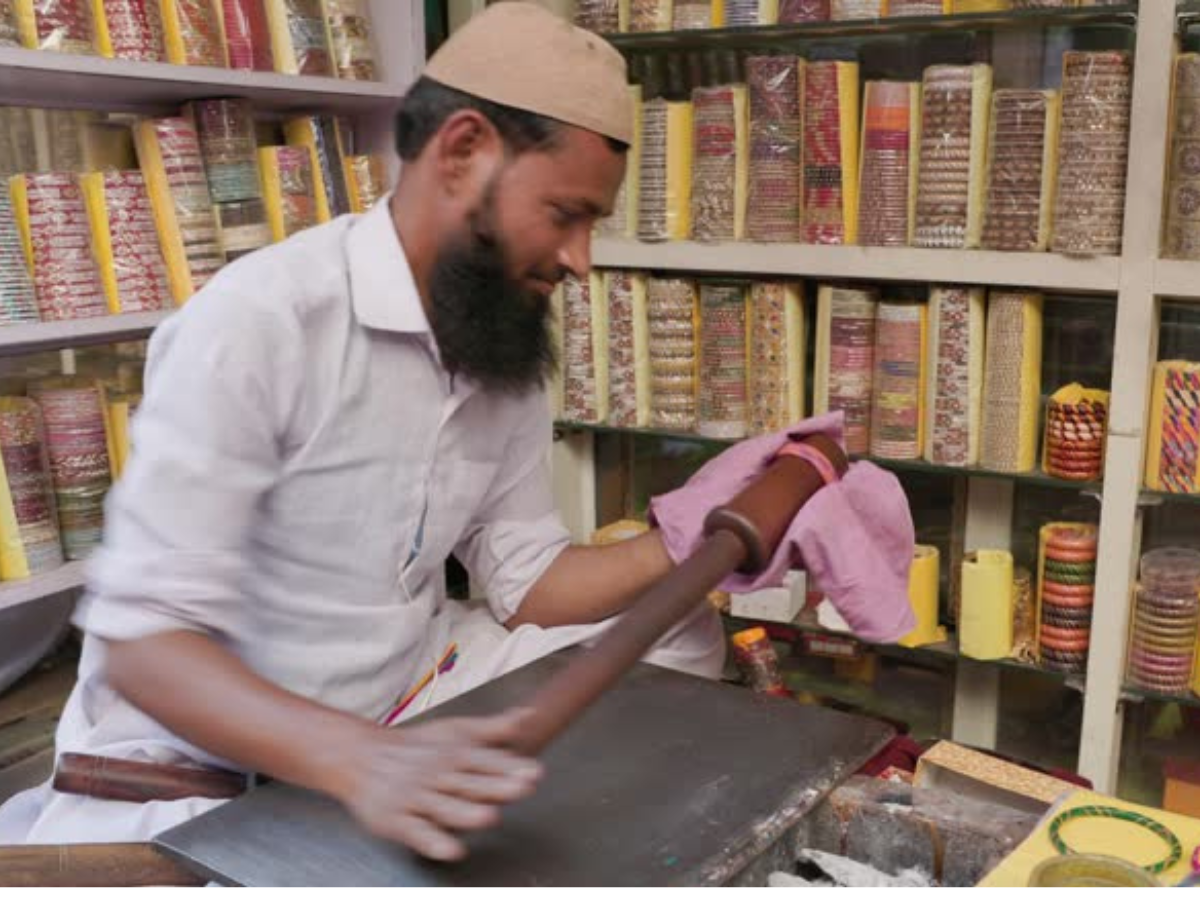
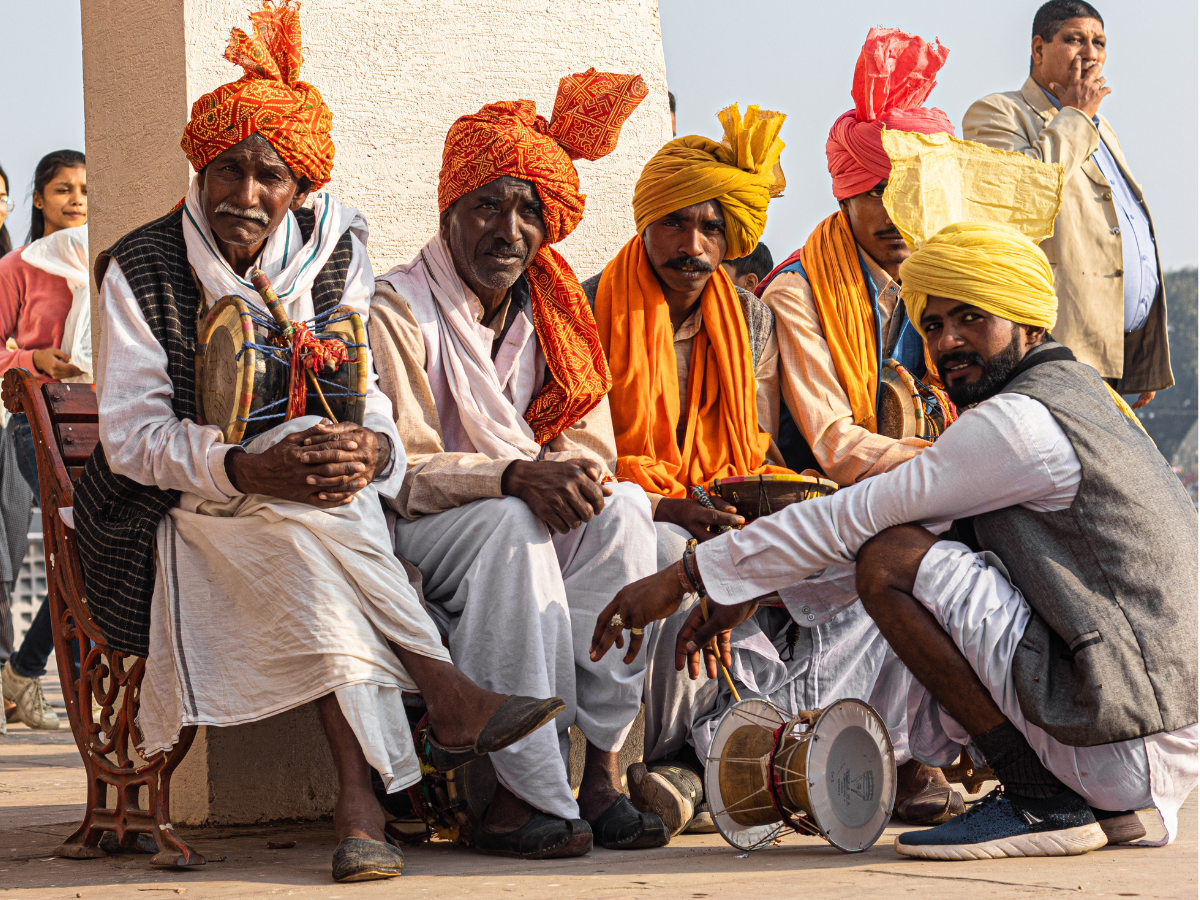
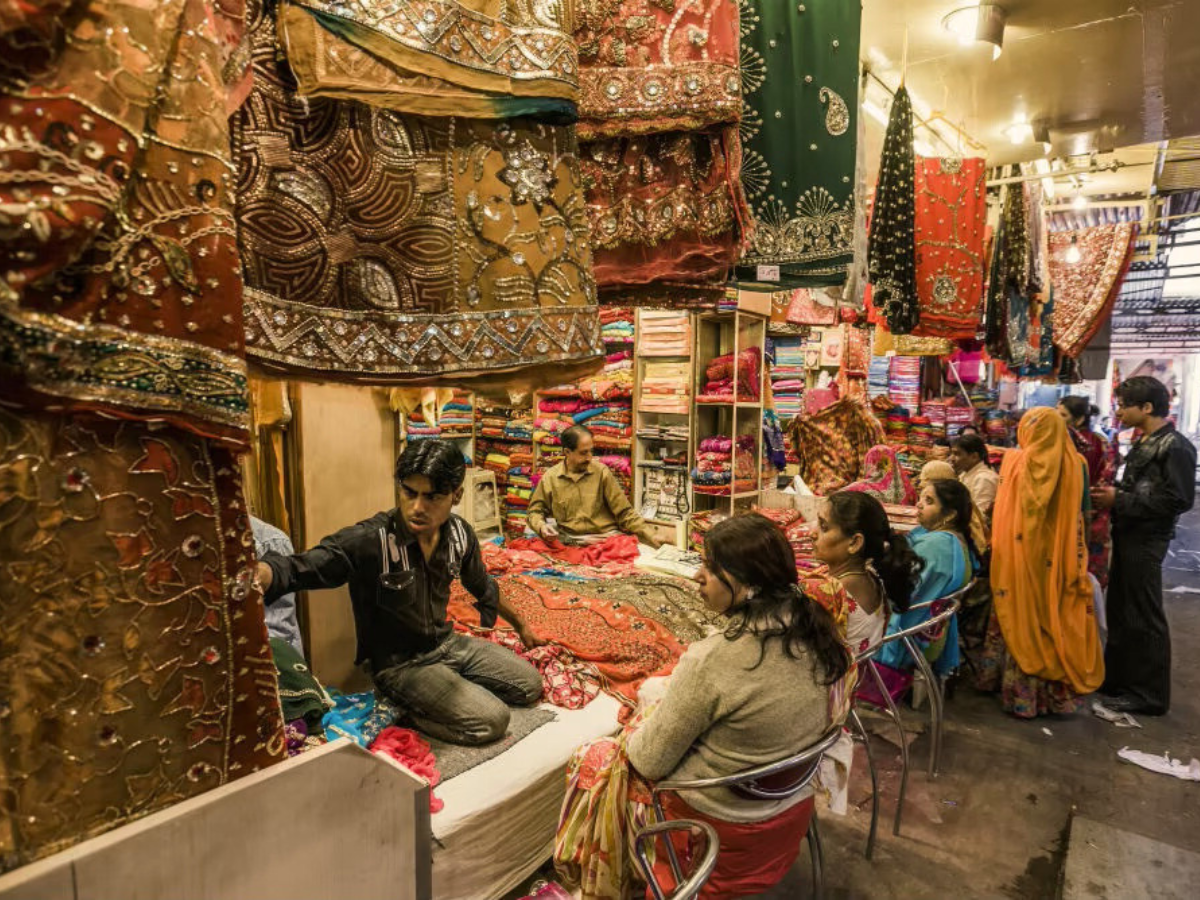
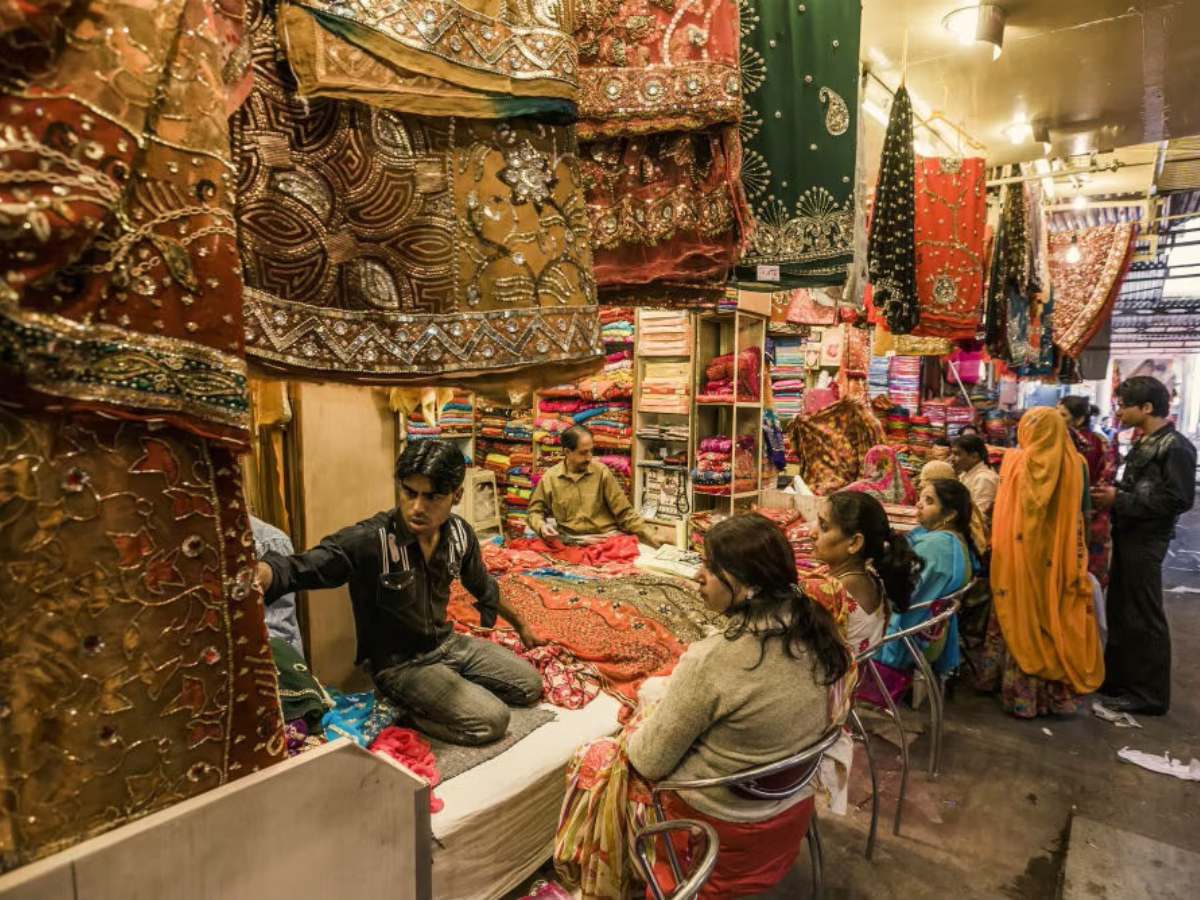
As the sun sets over Jaipur, the Pink City takes on a magical charm—streets glowing under warm lights, shopkeepers calling out, and the air rich with the scent of fresh snacks. We’ll start from the iconic Raj Mandir and walk through lively markets and hidden alleys, especially those named after traditional castes and crafts. One such stop is Maniharon ka Rasta, where bangle makers skillfully heat and shape lac (resin) into beautiful, colourful bangles—a tradition passed down for generations. Here, you’ll discover why certain trades are still clustered in specific areas and how the caste system continues to influence life in modern India.
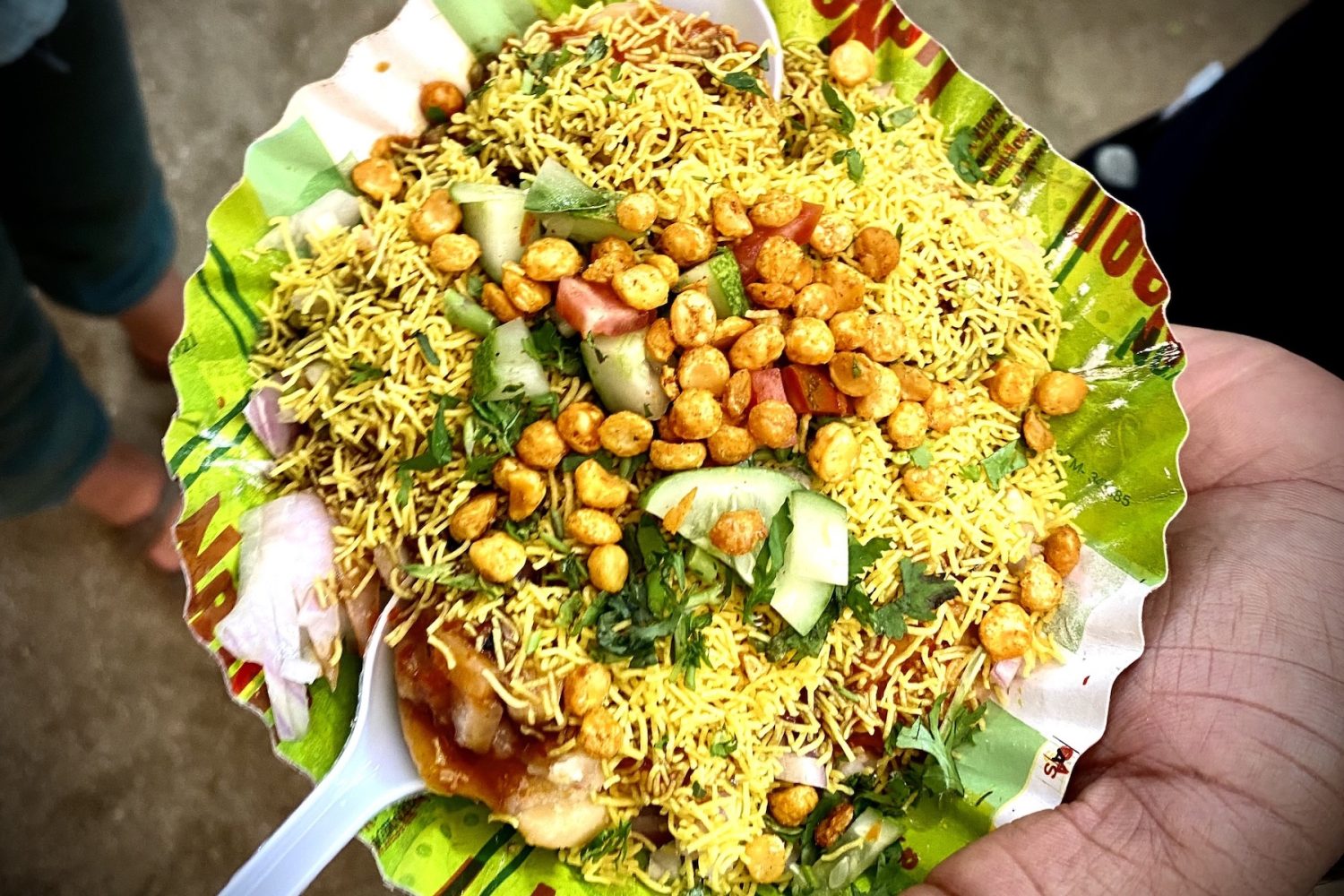
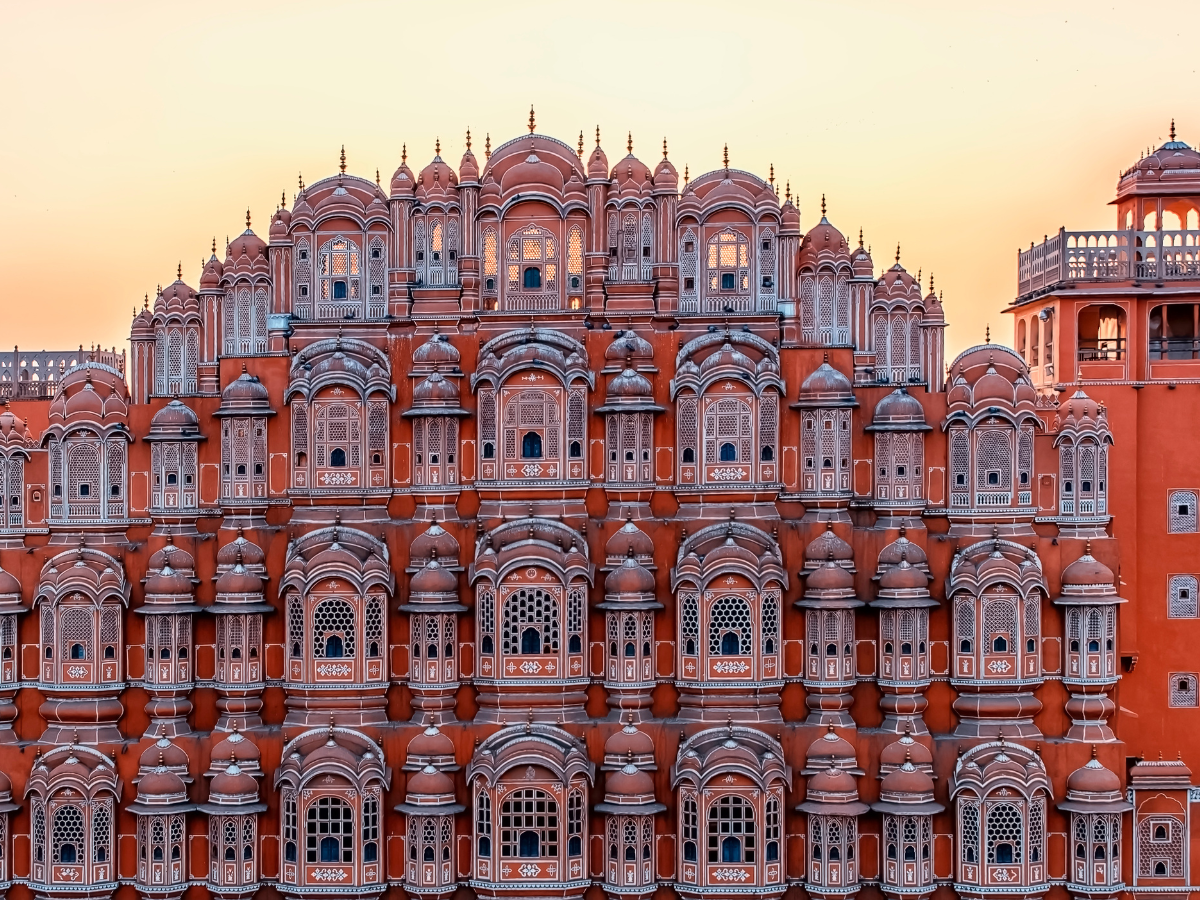
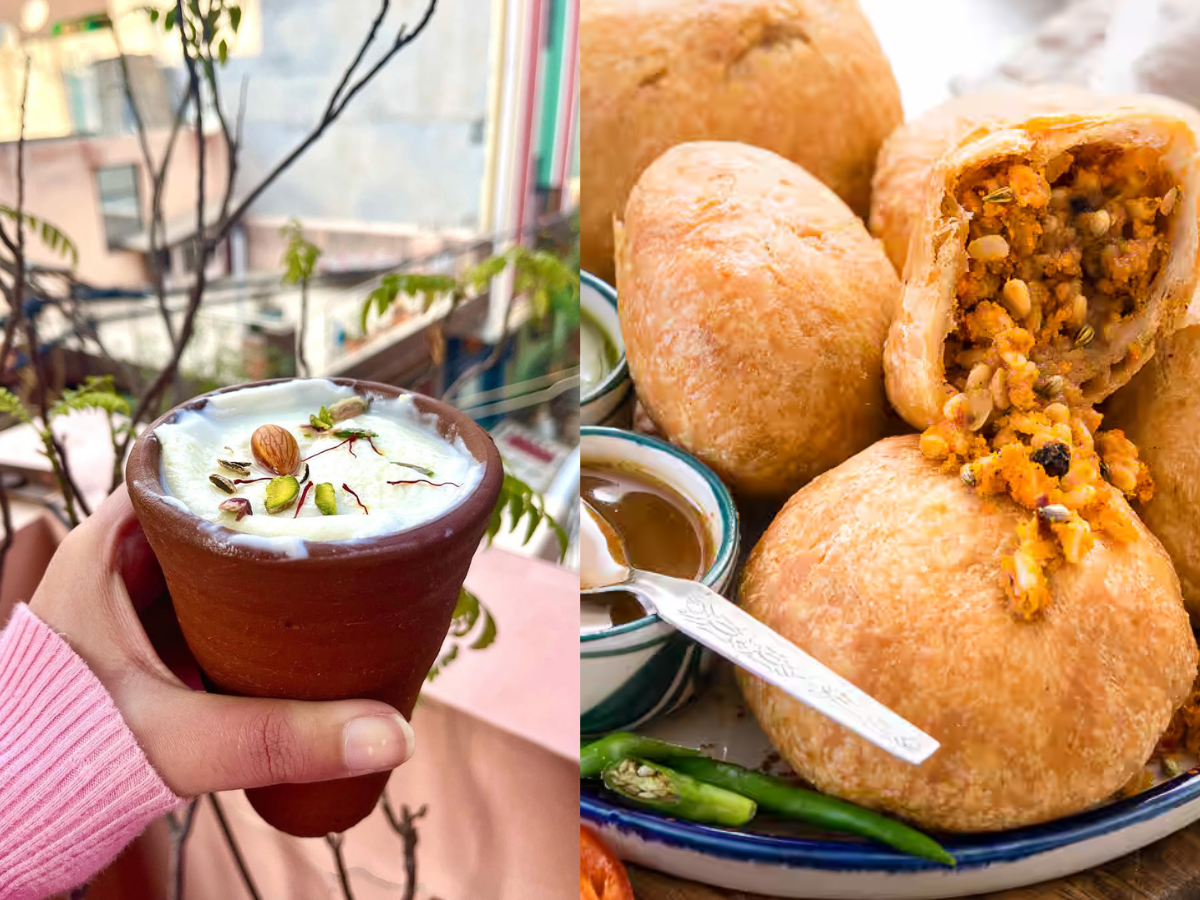
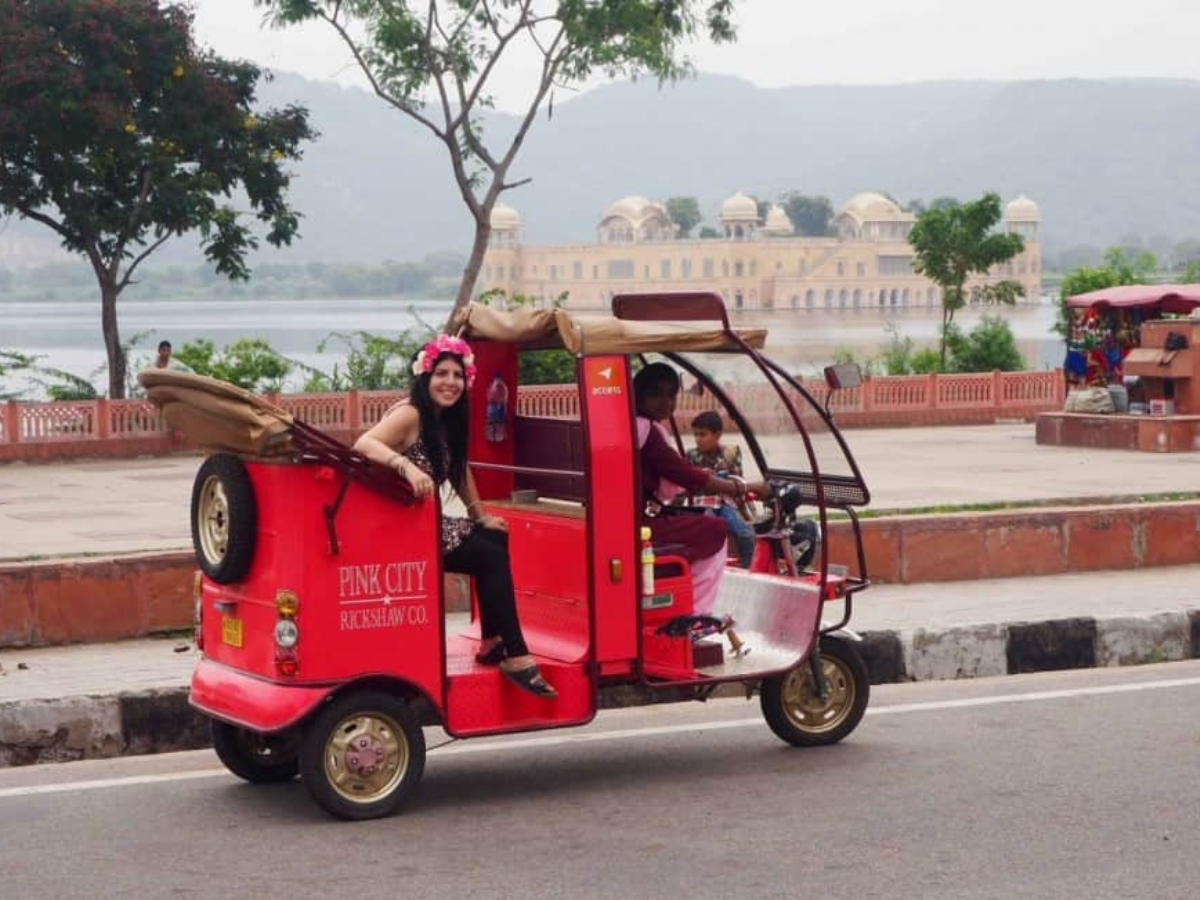
We’ll admire the beauty of Hawa Mahal in the golden glow of evening, hop into an e-rickshaw for a lively ride, and taste Jaipur’s most loved street foods—crispy kachoris and creamy, refreshing lassi. This is Jaipur at its most colourful, flavorful, and full of life.
Price/Inclusions
Shared Tour
Enjoy with other people!
Prices
Key Features
3 hrs duration
Complimentary snacks included
Meeting Time: *** at Raj Mandir Cinema Hall
Private Tour
Enjoy with just your family & friends!
Prices
Key Features
3 hrs duration
Complimentary snacks included
Meeting Time: *** at Raj Mandir Cinema Hall
If you wish to start at a different time, get picked up at a different location, or entirely customise the tour, please contact us.
Our starting point, Raj Mandir, is Jaipur’s most iconic cinema—often called the “Pride of Asia” for its grand, palace-like interiors. Its Art Deco design and neon-lit façade make it a true city landmark.
A street that gets its name from the royal treasurers who once lived here, it’s now a bustling lane of traditional shops where you can feel the charm of Jaipur’s historic trade culture.
The “Palace of Winds,” with its honeycomb façade of 953 windows, was built so royal women could watch street life unseen. In the evening glow, it’s a photographer’s dream.
A lively square surrounded by shops selling textiles, jewelry, and everyday goods. The energy here captures the true heartbeat of Jaipur’s market life.
Home to skilled bangle makers, this lane is famous for the art of shaping lac (resin) into dazzling bangles, a craft passed down for generations in the Manihari community.
Known for traditional marble carving and stone work, this lane showcases artisans creating intricate designs—sometimes using real gold in the detailing.
A historic market inside an old haveli, where bridal wear, textiles, and traditional wedding items are sold. The setting itself feels like stepping back in time.
A fun, eco-friendly ride through Jaipur’s beautifully lit streets, passing grand heritage buildings glowing under evening lights, giving the city a magical, royal look.
Gallery
Meeting Points
Meeting Points for Shared / Private Tours
Raj Mandir Cinema Hall, Jaipur ( See in Map Below)
Meeting time:
Your guide will meet you outside the entrance of the Raj Mandir Cinema Hall
Your guide will be wearing a navy blue polo T-shirt with the Reality Tours & Travel logo (on the left side of the chest) and will also carry an official ID card.
In 1876, during the rule of Sawai Ram Singh II, the city was painted pink to welcome Albert Edward, Prince of Wales. As pink symbolised hospitality, the tradition was maintained, and today, many avenues remain painted in pink, giving Jaipur a distinctive appearance.
Yes, Jaipur is considered safe to visit and travel at night. Tourist areas and markets are usually busy throughout, but it is advised to avoid less crowded or isolated areas when alone at night.
Yes, Jaipur is very walkable. Exploring Jaipur on foot can be a rewarding way to experience the city due to its compact layout and pedestrian-friendly streets.
No, Hawa Mahal is not open to the public at night; it typically closes by 4:30 pm to 5:00 pm. It is open every day, including public holidays. Even if the monument is not open after dark, tourists can still admire it in the evening glow
Jaipur is famous for its intricately decorated lac bangles, made from natural resin secreted by insects. Visit areas like Maniharo ka Rasta to watch these bangles being handcrafted by artisans.
To provide the best experiences, we use technologies like cookies to store and/or access device information. Consenting to these technologies will allow us to process data such as browsing behavior or unique IDs on this site. Not consenting or withdrawing consent, may adversely affect certain features and functions.
Functional
Always active
The technical storage or access is strictly necessary for the legitimate purpose of enabling the use of a specific service explicitly requested by the subscriber or user, or for the sole purpose of carrying out the transmission of a communication over an electronic communications network.
Preferences
The technical storage or access is necessary for the legitimate purpose of storing preferences that are not requested by the subscriber or user.
Statistics
The technical storage or access that is used exclusively for statistical purposes.The technical storage or access that is used exclusively for anonymous statistical purposes. Without a subpoena, voluntary compliance on the part of your Internet Service Provider, or additional records from a third party, information stored or retrieved for this purpose alone cannot usually be used to identify you.
Marketing
The technical storage or access is required to create user profiles to send advertising, or to track the user on a website or across several websites for similar marketing purposes.