Key Takeaways
- A golden triangle tour offers more than sightseeing; it delivers meaningful cultural experiences through local communities, food, and traditions.
- Delhi introduces travellers to everyday life, historic neighbourhoods, and hidden cultural landmarks beyond the usual attractions.
- Jaipur blends royal history with living art forms, from forts and palaces to traditional markets and Rajasthani cuisine.
- Agra balances iconic Mughal architecture with quieter moments, including sunrise at the Taj Mahal and rural village visits.
- The most memorable moments of a golden triangle tour often come from slow travel, local interactions, and small cultural details rather than famous monuments alone.
India’s Golden Triangle Tour is a journey through the heart of India’s vibrant culture, rich history, and timeless heritage. This iconic route connects Delhi, Agra, and Jaipur, offering an unforgettable experience that shows the best of India’s architecture, traditions, and colourful lifestyles. Whether you are looking for a luxury or backpack tour, adventure or relaxation, the Golden Triangle Tour is the perfect gateway to the true essence of India.
The Golden Triangle Tour is good for both first-time visitors and for someone who have been to India many times. Most people usually decide to spend between 4 days to 7 days to cover the region. With a suitable travel distance and world-class hospitality, this route allows you to explore ancient wonders and modern attractions together.
Delhi: Local Life, Hidden Corners, and Cultural Landmarks
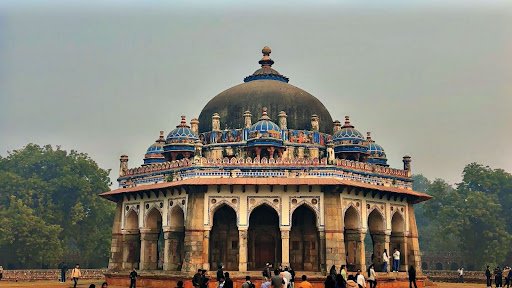
The Golden Triangle usually starts in Delhi because it is India’s capital and a major international entry point. So naturally, most journeys begin with Delhi sightseeing, where history comes alive.
Begin your Delhi Sightseeing Tours by exploring Old Delhi.
These are spaces where locals gather as much as visitors, and spending time here gives a sense of how the city breathes.
Beyond the well-known sights, Delhi hides quieter stories. Step down into Agrasen ki Baoli, an ancient stepwell tucked between modern buildings, or learn about the dramatic history behind Bloody Gate near Old Delhi. These lesser-known places show a softer, more reflective side of the capital and add depth to the experience.
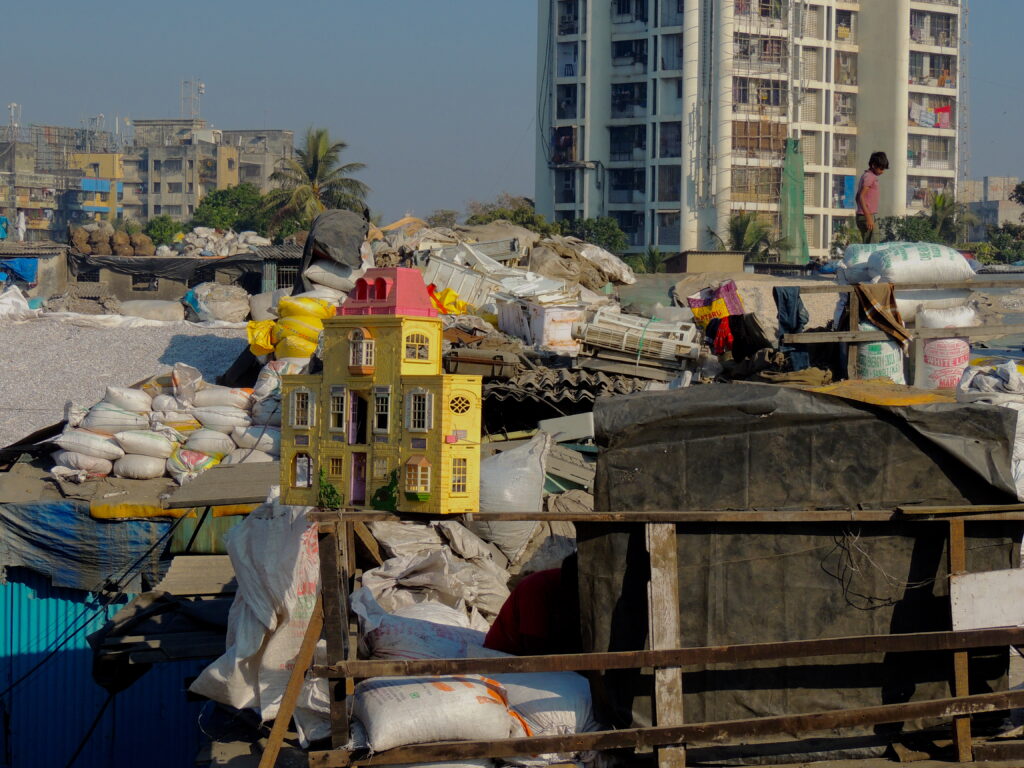
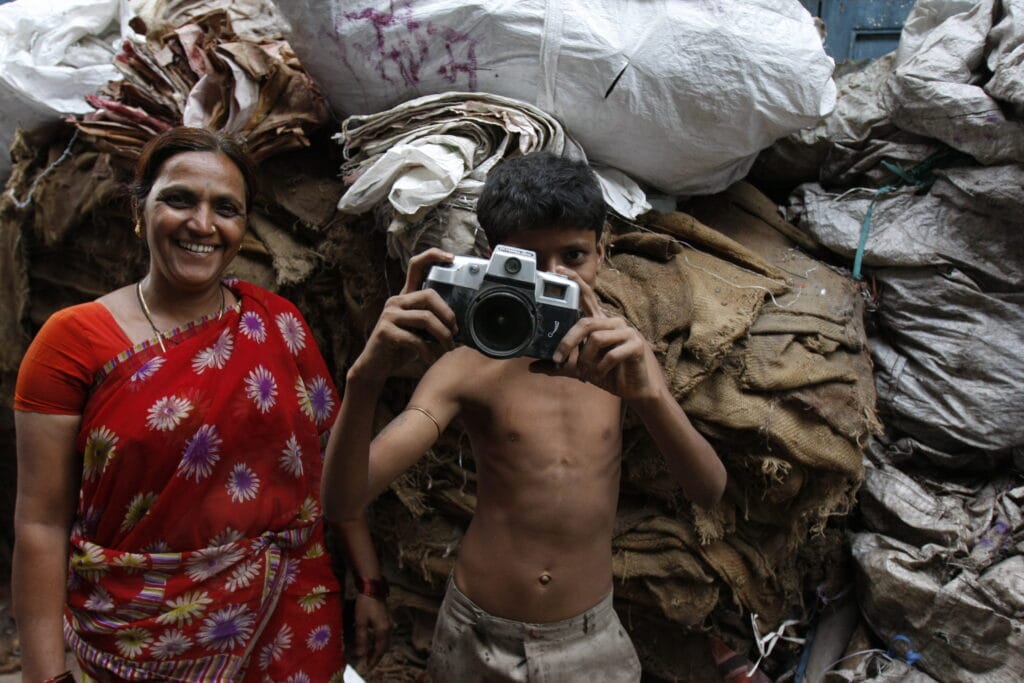
A culture journey through Delhi also includes time in its residential neighbourhoods. A guided walk through Sanjay Colony offers insight into daily life beyond monuments. Small recycling units, tailoring workshops, and home-run businesses show how the area functions through skill and cooperation.
This experience is not about observation from a distance, but understanding how communities organise work, education, and support systems. Conversations here change perspective and offer a more balanced view of the city. One built on effort, resilience, and shared spaces.
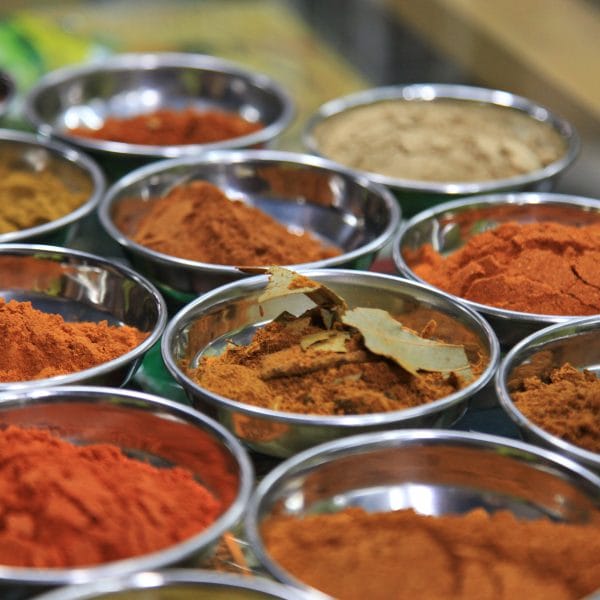
Old Delhi ties it all together. A short walk through its markets introduces spice shops, cycle rickshaws, and street vendors who have been here for generations. The food culture here is essential – chaat, kebabs, and old-style breakfasts tell stories of migration, trade, and tradition.
Jaipur: Forts, Art, and Evening Colours
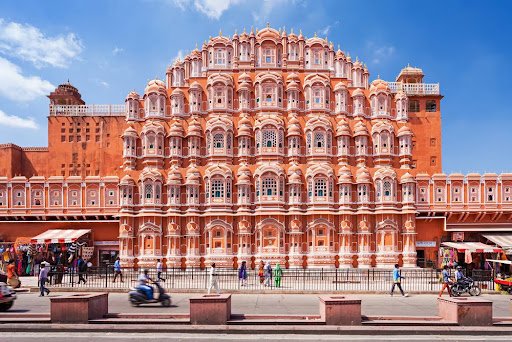
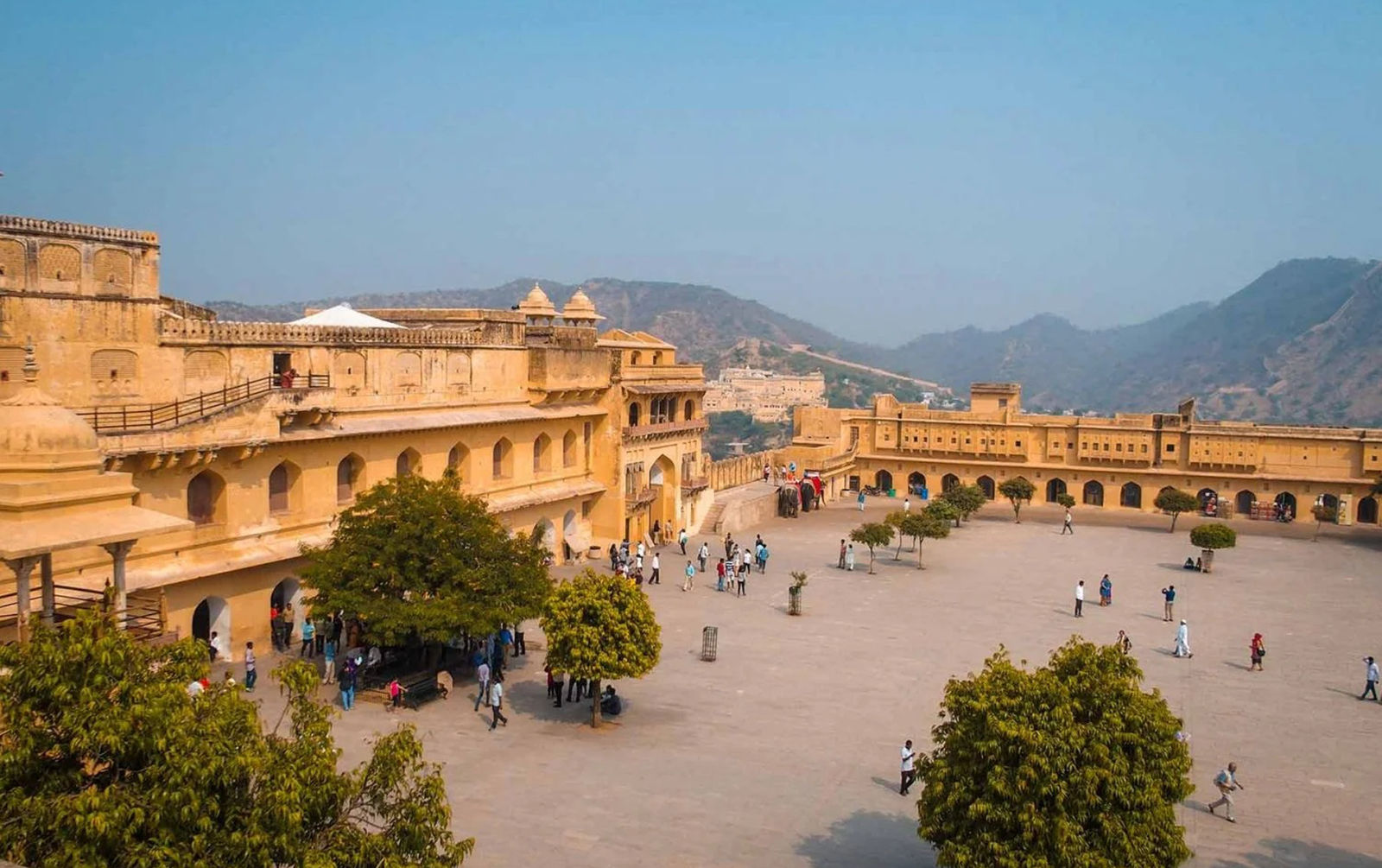
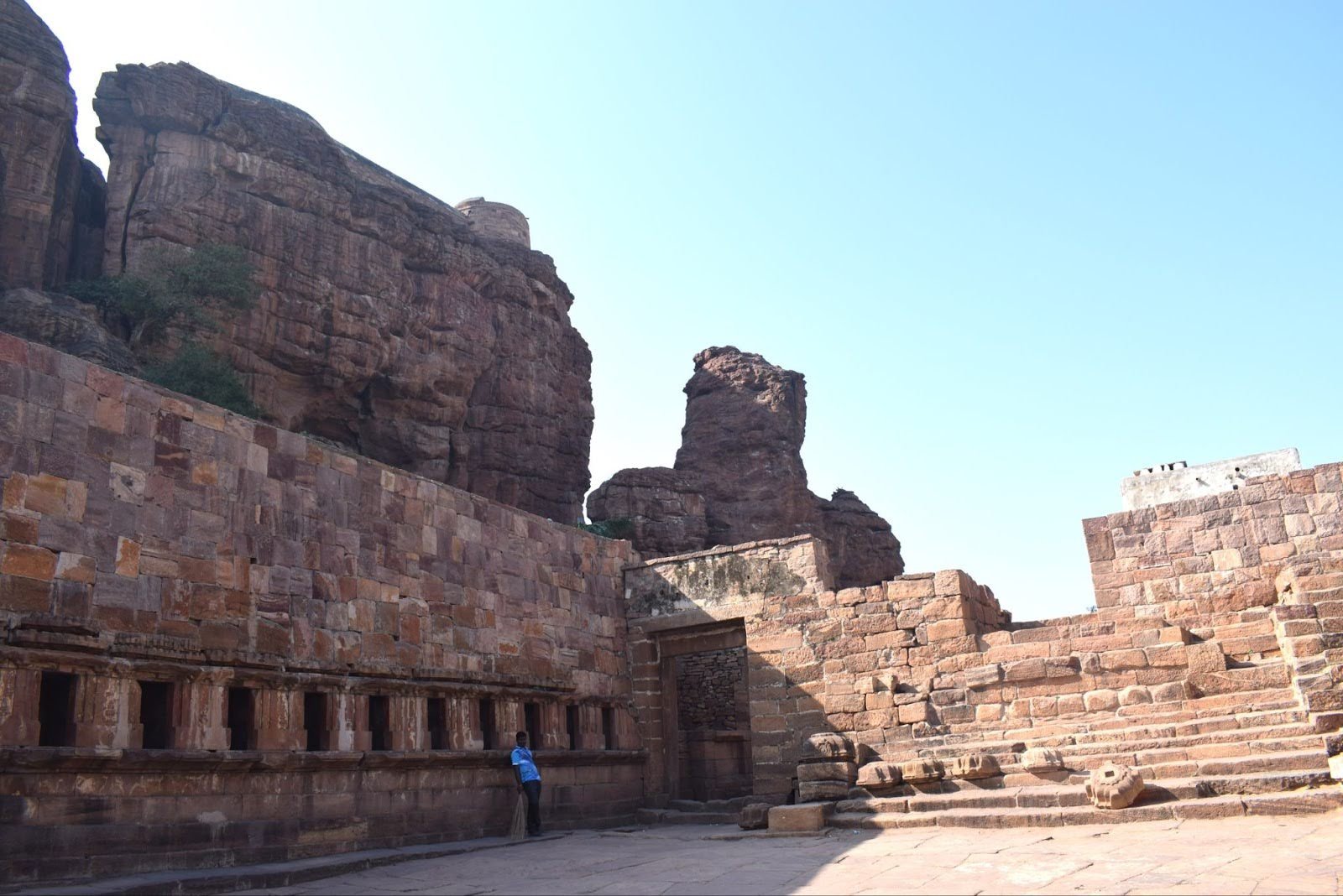
Jaipur’s culture opens up one by one, starting with its forts and palaces.
These are stories of royal life, astronomy, and architecture that blended beauty with function. Together, they form a picture of a city shaped by rulers, artisans, and planners.
Art and craft are deeply mixed into Jaipur’s streets. Markets like Purohit Ji Ka Katla are known for Lac bangles (lac ki chudiyan), jewellery, and textiles made using age-old techniques. Walking through these bazaars connects visitors to the hands and families behind the crafts.
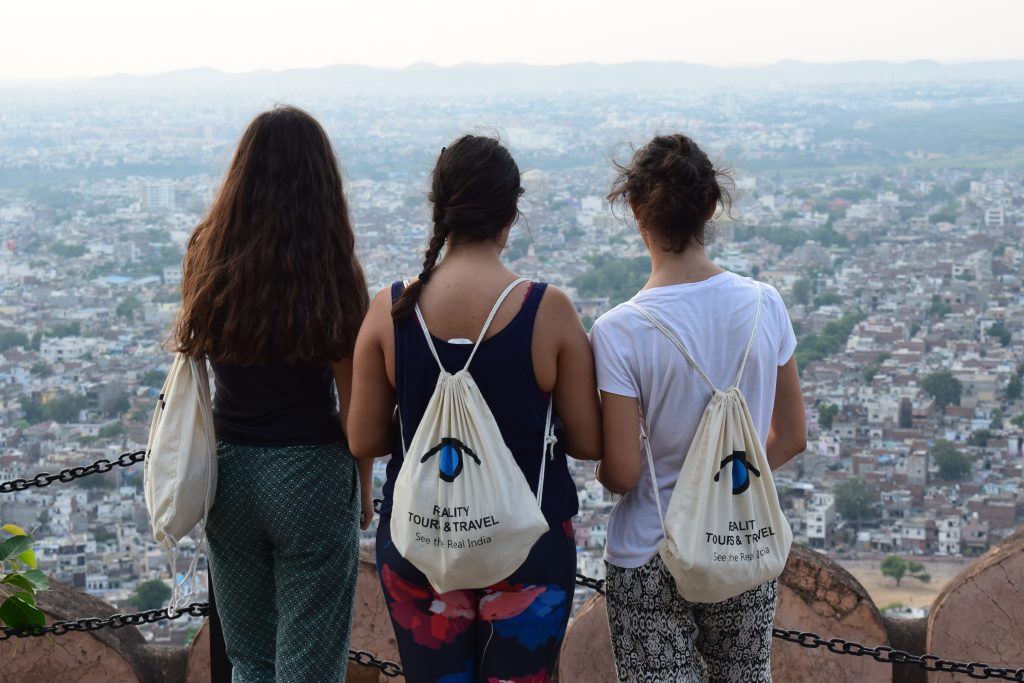
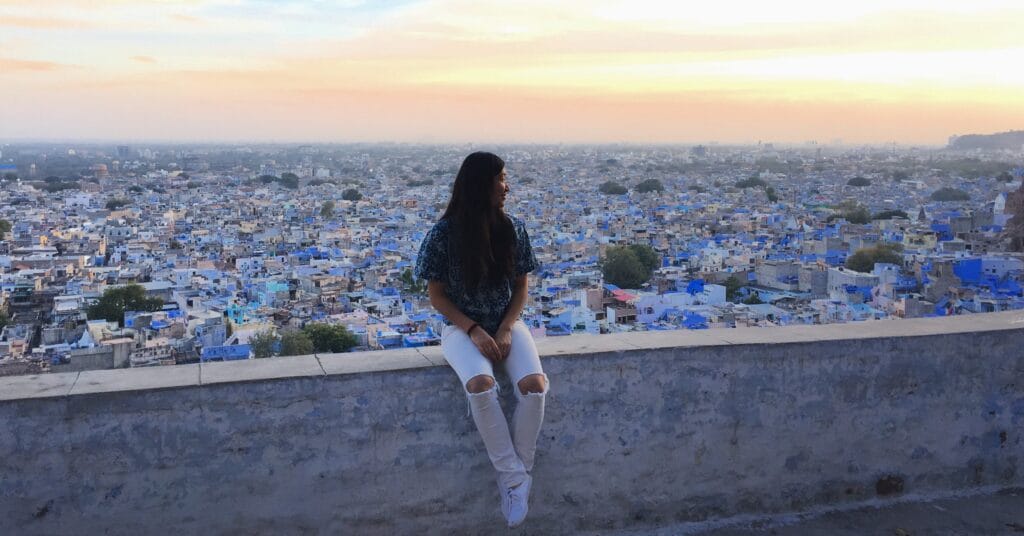
Evenings in Jaipur are slower and softer. A visit to Nahargarh Fort offers a breathtaking view of the Pink City as the sun sets behind the Aravalli hills. A quiet contrast to the busy streets.
The Rajasthani Cuisine is a must-have experience to have. From the fiery laal maas (red meat) to sweet ghewars, every meal tells a story of indulgence.
Agra: From Mughal History to Village Life
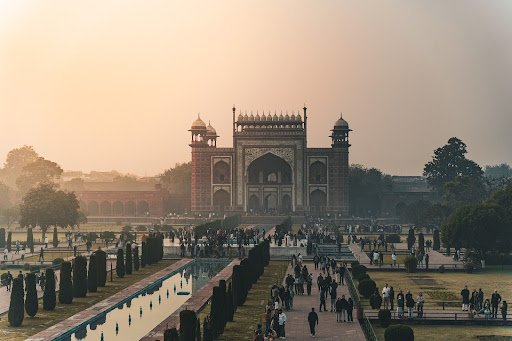
Agra often arrives after a beautiful drive, with meaningful stops along the way. Fatehpur Sikri, once a Mughal capital, stands still in red sandstone, while Chand Baori, one of India’s deepest stepwells, reveals how water shaped architecture and survival in earlier times. By evening, Mehtab Bagh offers a peaceful riverside view of the Taj Mahal, far from the crowds.
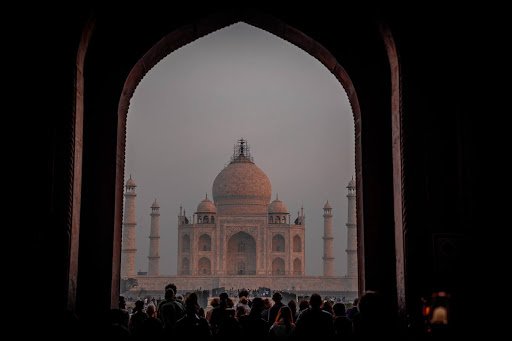
The Taj Mahal at sunrise is a completely different experience. This time of the day, it feels magical. The air is cool, there are fewer people around, and everything feels calm and peaceful. Watching the Taj Mahal at sunrise feels personal and even emotional. It’s like the whole place is quietly telling a story of love, just like the love story that led to its creation.
Later, Agra Fort adds another layer of stories, which is just 2.5 km from the Taj Mahal. Tell us stories of power, family, and empire told through massive walls and hidden chambers. It’s a UNESCO World Heritage Site and a great destination for history enthusiasts.
On the return journey to Delhi, a visit to a rural village near Naujheel introduces one to farming life, local homes, and community-led initiatives, bringing the journey back to everyday India.
A Journey That Lingers
The Golden Triangle may begin with famous names, but it stays with you because of smaller moments: a shared cup of chai, a quiet stepwell, the sound of bangles in a market, or the stillness of marble at dawn.
Travel it slowly, and the triangle opens into something wider: a map of stories, people, and connections that feel personal long after the journey ends.
Experiencing the best of the north doesn’t have to break the bank. Check out our Tips for a Budget-Friendly Golden Triangle Tour to help you plan a smarter trip.
FAQs
Get moving by 5:30 AM. You beat the heat, catch markets at their busiest, and finish major spots before crowds triple in size.
You'll hit the main landmarks and feel the city's pulse. But Mumbai needs more time. One day I will introduce you. More days let you actually know the place.
Completely safe when you go with a legit tour operator who knows the community. Residents are welcoming and happy to share their work with respectful visitors.
Comfortable walking shoes matter most. Mumbai humidity is brutal, so wear light cotton or breathable fabric. Cover shoulders and knees for religious sites.
Mix local trains, cabs, autos, and your own feet. Metro covers major areas now too. Trains work great outside rush hours. During peak times? Prepare for serious crowds.