Key Takeaways
Mumbai Darshan is the best way to experience the city’s history, local life, and iconic landmarks in a single day.
Start early to witness Mumbai at its most authentic — from Sassoon Dock to bustling markets.
Mix monuments, markets, and community life to see the real Mumbai beyond the highlights.
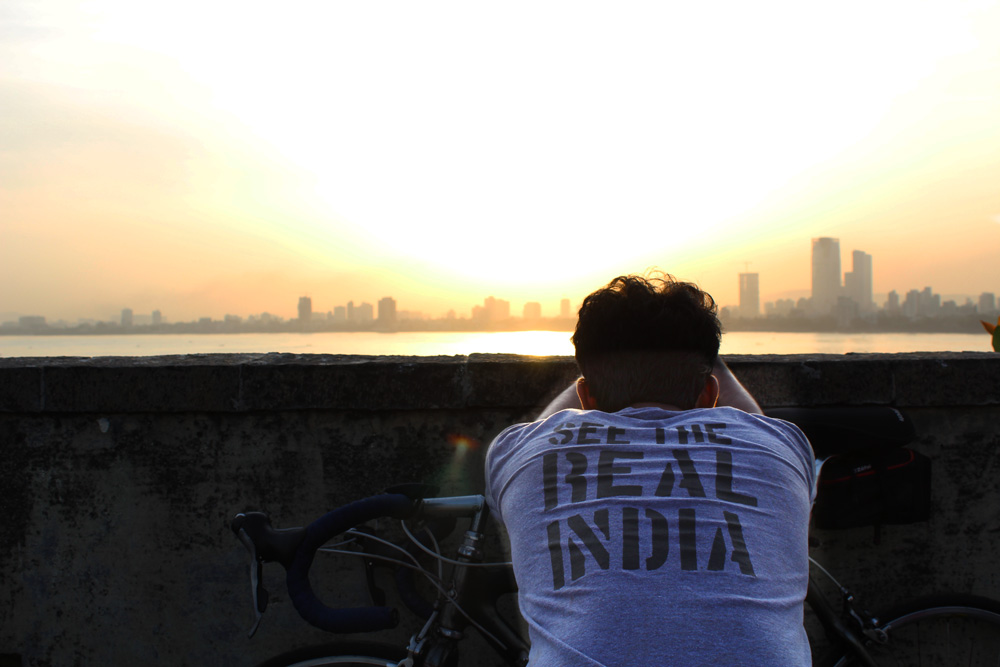
Time your day well to catch a beautiful Marine Drive sunset.
Join guided tours for deeper stories, safe travel, and a meaningful connection to the city.
Mumbai Darshan begins even before the sun rises because Mumbai starts its day while you’re still dreaming.
Fishermen have already hauled their nets. Dabbawalas are sorting tiffins. Someone just jumped onto a moving train because waiting for the next one means being late.
Nobody promised you a calm city. Nobody promised you perfection either.
What do you get instead? Pure, unfiltered life. The kind that smacks you awake and makes you grateful for it.
Spend one day here properly. You’ll understand why seven million people squeeze into local trains every morning. Why does someone pay lakhs for a cramped apartment? Why leaving feels impossible even when staying feels crazy.
Let’s walk through Mumbai together.
Overview
Mumbai Darshan means really seeing Mumbai.
Not from inside an air-conditioned bus. Not through Instagram filters. Not while complaining about the crowds.
You see it by standing in those crowds. By eating what the guy next to you is eating. By asking directions and getting five different answers.
Dawn brings fish markets buzzing with life. Afternoons show you Gothic buildings still serving their purpose. Evenings reveal why people call the sunset here worth the entire day’s chaos.
One day. Eight neighborhoods. A lifetime of stories.
Mumbai Darshan: From First Light to Last
Sassoon Dock Before Sunrise (5:30 AM – 7:00 AM)
Get out of bed. Don’t say I didn’t warn you.
Try and arrive at Sassoon Dock before the sun has fully declared itself. You’ll hear it before you see it – shouting and some cries in Marathi and Konkani, outboard engines starting to cough into life, crates laboriously being dragged(greased?) across the wet surfaces.
Fish covers every surface. Pomfret, prawns, surmai, bangda – all glittering under weak bulb light. Women sort them at lightning speed. Their hands move with a confidence you can’t fake.
The smell hits hard. Salt. Diesel. Fresh catch. Old wood.
Then you spot something completely unexpected. Murals painted on dock walls. Colors screaming against grey concrete. Someone decided a fish market deserved art too.
Classic Mumbai move. Slipping beauty into places you’d never think to look.
Gateway of India (8:00 AM – 9:00 AM)
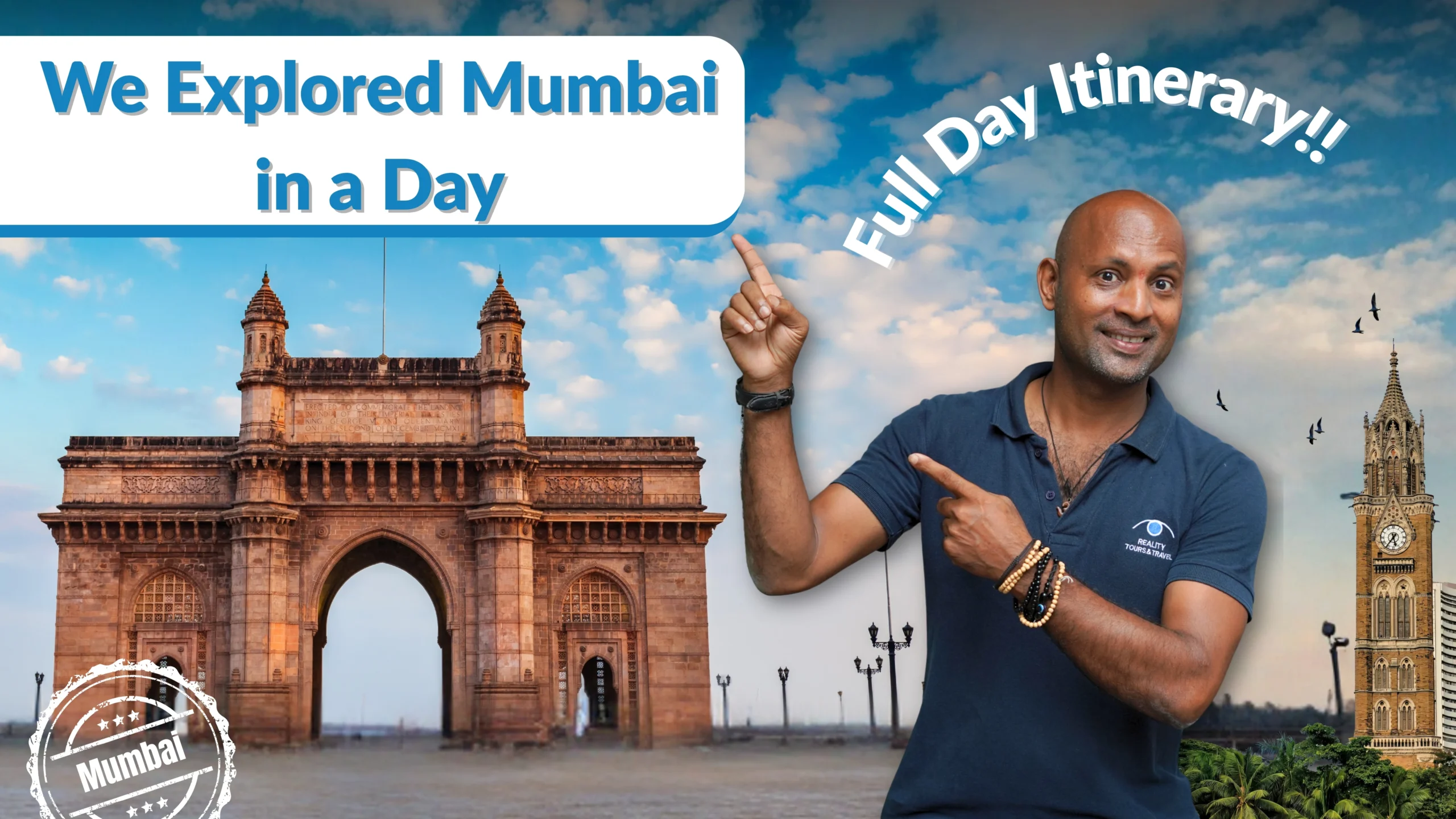
Take a cab or train to Colaba now. Gateway of India stands there like it owns the waterfront – which, let’s be honest, it kind of does.
They built this arch in 1911 for King George V. He came, he saw, he left. The structure stayed.
Pigeons have taken over. Tourists pose for photos. Locals sit on the steps eating vada pav and watching boats rock on the water.
Here’s something most people don’t mention. When the British finally packed up and left India in 1948, this is where they walked through. Same stone arch. Different meanings.
Look at the Arabian Sea from here. Breathe in the cleaner air. Five minutes of relative peace before the city swallows you again.
CSMT – Where Gothic Meets Chaos (9:30 AM – 10:30 AM)
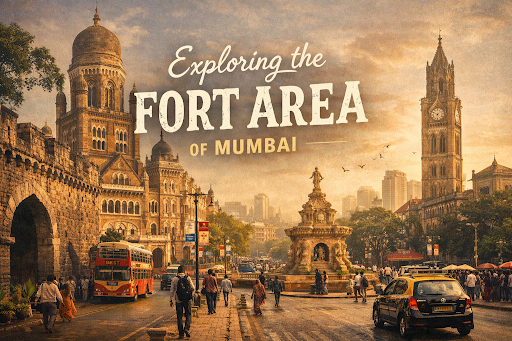
Head to Chhatrapati Shivaji Maharaj Terminus next. Everyone calls it CSMT. Old-timers still say VT.
This isn’t just a train station. This is what happens when Victorian Gothic architecture crashes into India and somehow works perfectly.
Stone carvings everywhere. Stained glass windows throwing colored shadows. Turrets and domes that belong in a European cathedral. Built in 1887. Still moving millions of people daily.
Stand on any platform. Watch commuters flow past like a river that never stops. Nobody crashes into anyone. Everyone knows exactly where they’re going.
The new Metro line connects this place to the airport now. Mumbai keeps one foot in history, one foot in whatever comes next.
Markets to Explore During Mumbai Darshan – Crawford Market & Chor Bazaar (11:00 AM – 1:00 PM)
Time to lose yourself in markets.
Crawford Market explodes with stuff. Alphonso mangoes piled high. Exotic fruits nobody can pronounce. Live chickens in cages. Imported chocolates. Flowers. Toys. Everything exists here simultaneously.
The building dates back to 1869. The chaos inside feels brand new every day.
Walk to Chor Bazaar after this. They call it the Thieves Market. Not because you’ll get robbed—just old folklore about stolen goods landing here decades ago.
Now? Vintage gold. Old Bollywood posters fading at the edges. Typewriters that might still work. Brass statues covered in decades of dust. Furniture your grandparents would recognize.
Bargain aggressively. The first price is always a test. The real price comes after you pretend to walk away twice.
Dabbawalas in Action (12:00 PM – 1:00 PM)
If you’re near Churchgate around lunch, watch for men carrying stacked tiffin boxes.
Dabbawalas. Mumbai’s lunch delivery system that refuses to make sense but works flawlessly.
They collect home-cooked meals from houses across suburbs. Load them onto trains. Carry them through impossible crowds. Deliver them to offices miles away. All without technology. Just color codes and incredible memory.
Harvard studied them. They have a Six Sigma efficiency rating. They make fewer mistakes than most tech companies.
This is Mumbai magic nobody can copy. No app can replace muscle memory built over decades.
Marine Drive & Lunch Break (1:30 PM – 3:00 PM)
Walk along Marine Drive now. The three-kilometer stretch curves along the coastline like a protective arm.
Sea on one side. Art Deco buildings on the other. Both worth staring at.
At night, street lamps outline the bay. People call it the Queen’s Necklace. Right now it’s just hot pavement and a salty breeze, but the breeze helps.
Stop for lunch. Trishna serves incredible seafood if you’ve got the budget. Or grab vada pav from any cart—fifteen rupees of pure joy. Both work.
Sit. Eat. Watch the waves. Give your feet a break because the afternoon gets real.
Dharavi – The Part Most People Skip (3:30 PM – 6:00 PM)
Here’s where most tourists chicken out. Don’t.
Dharavi gets called Asia’s largest slum. Fine. Technically accurate. Also completely misleading.
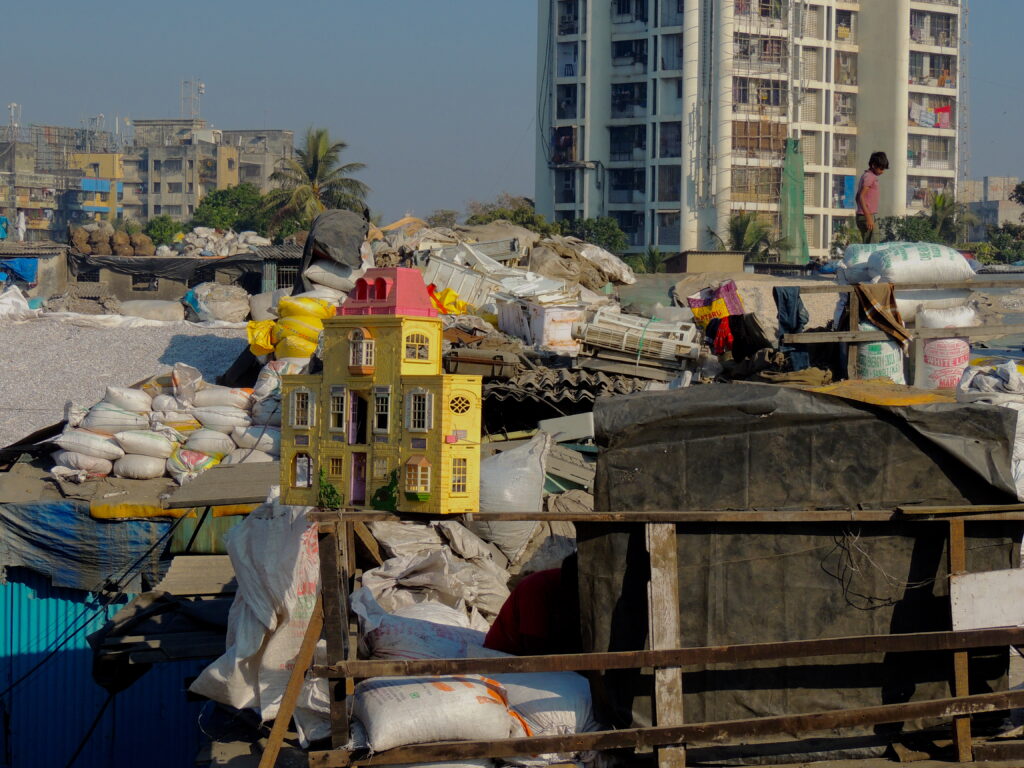
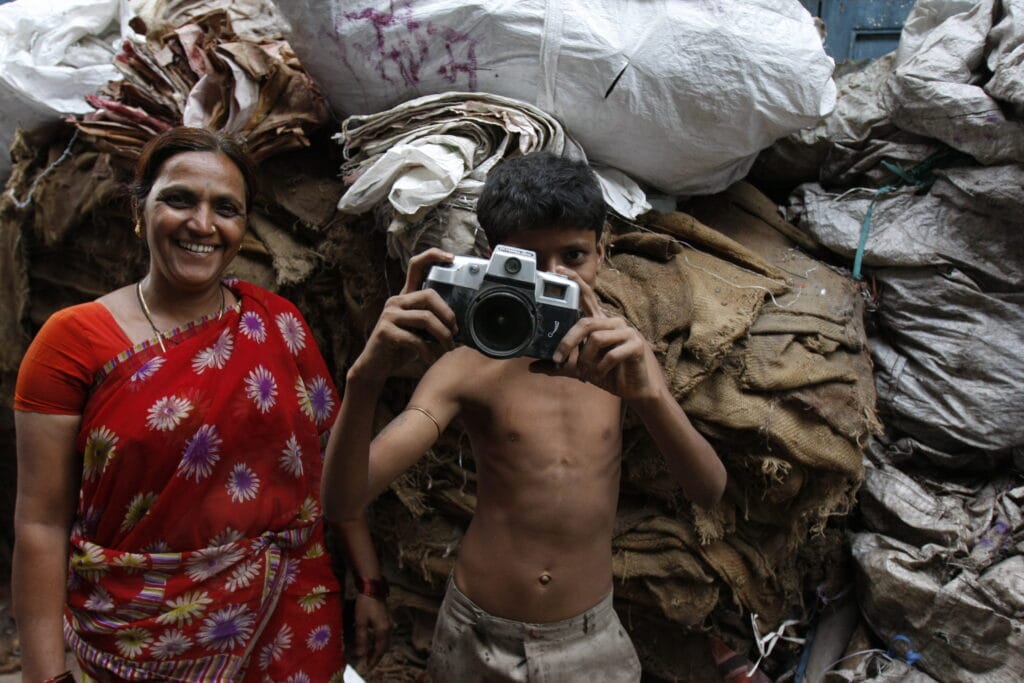
Because Dharavi runs like a factory disguised as a neighborhood. Leather workshops humming with activity. Pottery wheels spinning clay into shapes. Recycling units turning plastic garbage into sellable material. Bakeries produce thousands of bread loaves daily. Embroidery units creating intricate designs by hand.
The massive economy of this place raises more than a billion dollars each year. In less than a square mile.
Accompany an ethical guide with an understanding of place and respect for people. Witness a potter who has been throwing pots for 40 years. See what a recycling center does to recover more of the waste of Mumbai than any state system would want to do.
You will leave with many questions about everything you thought you knew about poverty, productivity, and what people are capable of when they just don’t give up.
Sunset Viewing (6:30 PM – 7:30 PM)
End the day with a contemplation of nature changing color.
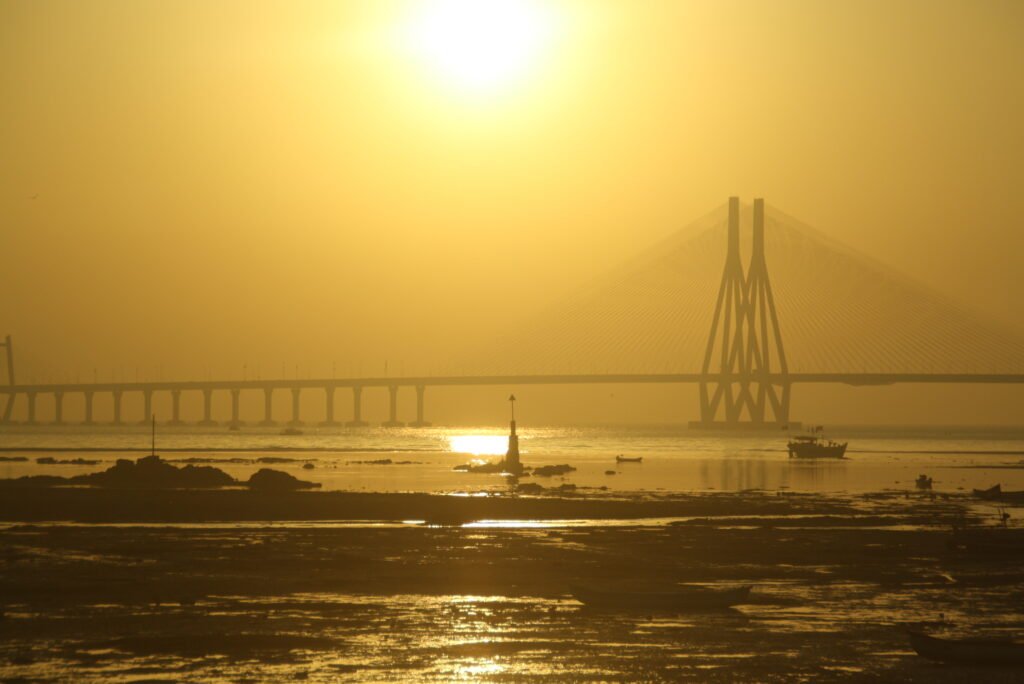
The Worli Sea Face allows you to see the distant Bandra-Worli Sea Link lit up.Bandra Fort offers crumbling walls plus an infinite horizon – history meeting the Arabian Sea in real time.
The sky performs its daily show. Orange bleeds into pink. Pink melts into purple. Then darkness takes over completely.
For maybe five minutes, Mumbai slows down. Everyone watches. Nobody talks.
Then horns start honking. Auto drivers rev their engines. The city remembers it has somewhere to be.
Mumbai Darshan Quick Reference Table
Timing | Place | Why You’re Going |
5:30 AM | Sassoon Dock | Raw morning energy, fish auctions, surprise art |
8:00 AM | Gateway of India | History lesson, sea breeze, mandatory photos |
9:30 AM | CSMT | Gothic architecture, organized chaos, Metro connection |
11:00 AM | Crawford Market & Chor Bazaar | Shopping madness, vintage finds, bargaining battles |
12:00 PM | Dabbawala Spotting | Witnessing Mumbai’s legendary delivery system |
1:30 PM | Marine Drive | Lunch options, ocean views, Art Deco appreciation |
3:30 PM | Dharavi | Real industry, entrepreneurial grit, perspective shift |
6:30 PM | Sunset Spots | Sky show, breathing room, photo opportunities |
Conclusion – What Makes Mumbai Darshan Unforgettable
Mumbai doesn’t care if you’re tired.
The city keeps moving whether you keep up or collapse on a bench. It’ll confuse you. Exhaust you. Probably make you sweat through your shirt by noon.
But somewhere between the fish market and the sunset, something clicks. You get why people love this place despite everything wrong with it.
Because Mumbai gives you permission to dream big. To hustle hard. To fail and try again tomorrow.
One day shows you the surface. But the city has layers you’ll spend years peeling back.
To really know Mumbai, you have to explore its diverse districts. Discover the distinct character and hidden spots of 8 Mumbai Neighbourhoods and see the city like a local.
Come once. You’ll understand. Come twice. You’re hooked.
See Real Mumbai With Reality Tours
Forget generic sightseeing packages.
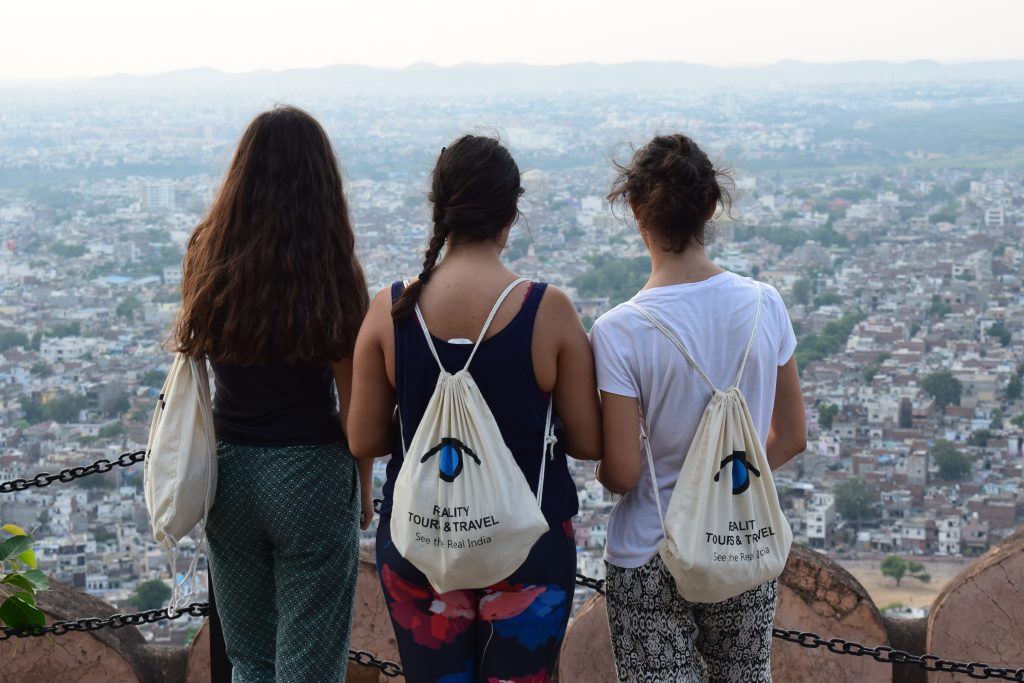
Reality Tours and Travel walks you through the Mumbai tourists never see. We go into Dharavi with respect, not cameras hunting for poverty shots. We eat at stalls where locals queue up. We show you neighborhood guidebooks.
Our guides grew up here. They know which corner makes the best cutting chai. Which temple predates the British. Which beach locals escape to.
Book with us. See Mumbai the way it actually is.
FAQs
Get moving by 5:30 AM. You beat the heat, catch markets at their busiest, and finish major spots before crowds triple in size.
You'll hit the main landmarks and feel the city's pulse. But Mumbai needs more time. One day I will introduce you. More days let you actually know the place.
Completely safe when you go with a legit tour operator who knows the community. Residents are welcoming and happy to share their work with respectful visitors.
Comfortable walking shoes matter most. Mumbai humidity is brutal, so wear light cotton or breathable fabric. Cover shoulders and knees for religious sites.
Mix local trains, cabs, autos, and your own feet. Metro covers major areas now too. Trains work great outside rush hours. During peak times? Prepare for serious crowds.