


Key Takeaways
- The British East India Company built the Fort area as a fortified town between 1686 and 1743 to defend Bombay from attacks.
- Massive stone walls protected the settlement, and people entered through 3 main gates: Church Gate, Bazaar Gate, and Apollo Gate.
- People named the area “Fort” after the defensive walls that once surrounded the earlier town of Bombay.
- In 1862, the governor, Sir Bartle Frere, ordered workers to demolish the walls to allow the rapidly growing city to expand.
- The walls no longer exist today, but their history still remains in names like Church Gate and in South Mumbai’s layout.
- Today, the Fort district is famous for its colonial architecture and heritage landmarks like the Asiatic Society building, Flora Fountain, and Chhatrapati Shivaji Maharaj Terminus.
The Fort area in South Mumbai is one of the places where you can truly feel the city’s history around you. At first glance, it may look like just another busy business district, full of offices and traffic, but if you slow down and look around, you will realise that almost every building here has a story to tell.
If you really want to understand how Mumbai grew from a small group of islands into India’s financial capital, this is the place to start. Today, Fort is known for its beautiful colonial buildings, busy streets, important offices, and heritage landmarks.
When you walk through Fort today, it’s hard to imagine that this busy area was once surrounded by massive stone walls built for protection.
In the sections that follow, we will explore why those were built, how the Fort area got its name, what led to demolition, and how this transformation shaped modern Mumbai.
When and Why Were the Fort Walls Built?
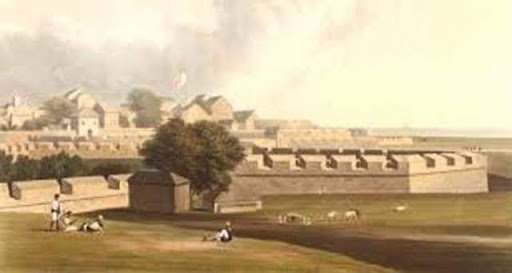
The British East India Company began building the Fort walls in the late 1600s. Construction continued for many years, from roughly 1686 to 1743. During that time, Bombay was becoming an important trading port. The British were worried about attacks from the Marathas, the Portuguese, and other European powers. To protect their settlement, warehouses, and trading activities, they decided to build strong stone walls around the main town area.
These walls were thick and had cannons placed at strategic points. Entry into the town was controlled by gates, which were closed at night for safety. The area inside these protective walls came to be known as the “Fort,” and that is how the Fort area got its name.
If you’ve ever wondered why the streets of Fort feel cramped, winding, and completely different from the wide avenues of New Delhi, this is why. The city was forced to grow upward and inward because it was physically trapped by its own fortifications.
Boundaries of the Fort Area
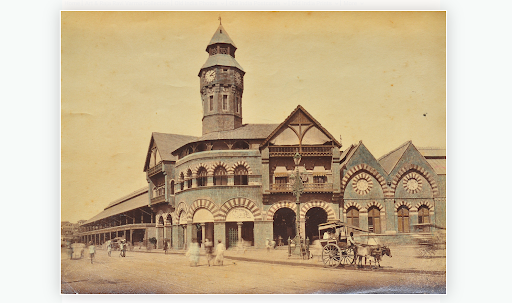
The old Fort area was located in what is today South Mumbai.
- On the western side, it was close to the present-day Churchgate railway station area.
- On the eastern side, it stretched towards the Mumbai Port; to the south, it was near Apollo Bunder, where the Gateway of India stands today.
- On the northern side, it extended towards what is now known as Crawford Market (Mahatma Jyotiba Phule Market).
While the walls have been replaced by the roar of traffic, the original boundaries still dictate the shape of South Mumbai today.
The Three Main Gates of the Fort
The Fort had three main gates that controlled entry and exit. These “Three gates” defined the city’s limit.
- Church Gate on the western side.
- Bazaar Gate on the northern side.
- Apollo Gate on the southern side.
These gates were very important because they were the only official way to enter the fortified town. After sunset, the gates were closed to keep the settlement safe from possible attacks.
Churchgate Station
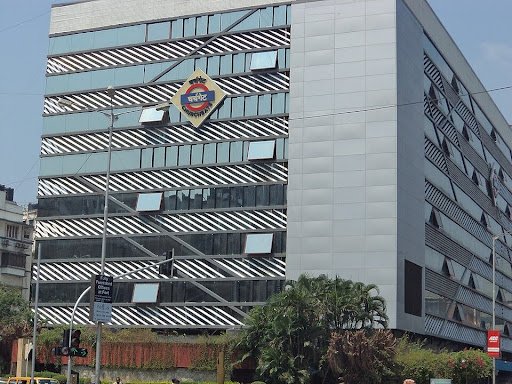
Churchgate is one of our meeting points in some of our tours. But have you ever wondered why Churchgate Station has that name?
The old Church Gate of the Fort was located on the western side and led towards St. Thomas Cathedral, one of the oldest churches in Mumbai. Over time, the gate itself was removed, but the name remained in public memory.
The original Churchgate railway station was first built in 1870. Later, in 1928, when the railway line was extended and the station was shifted to its current location, it continued to carry the name “Churchgate.” The station was named after the old gate that once stood nearby. Even though the physical gate has disappeared, its name still lives on through the station.
When and Why Were the Fort Walls Demolished?
By the mid 1800s, around 1860 to 1865, Bombay was changing quickly. The trade was booming, more people were moving into the city, and the town was slowly becoming too big for its old boundaries. The Fort walls, which had once protected the settlement, were no longer serving the purpose. In fact, they were now standing in the way of progress.
In 1862, Sir Bartle Frere, then Governor of Bombay, ordered the demolition of the walls. He didn’t just want more space; he wanted a grand, Victorian city that could rival London or Paris. Wider roads were laid out, impressive public buildings were constructed, and Bombay began to take the shape of the modern city that we see today.
Famous Buildings in the Fort Area
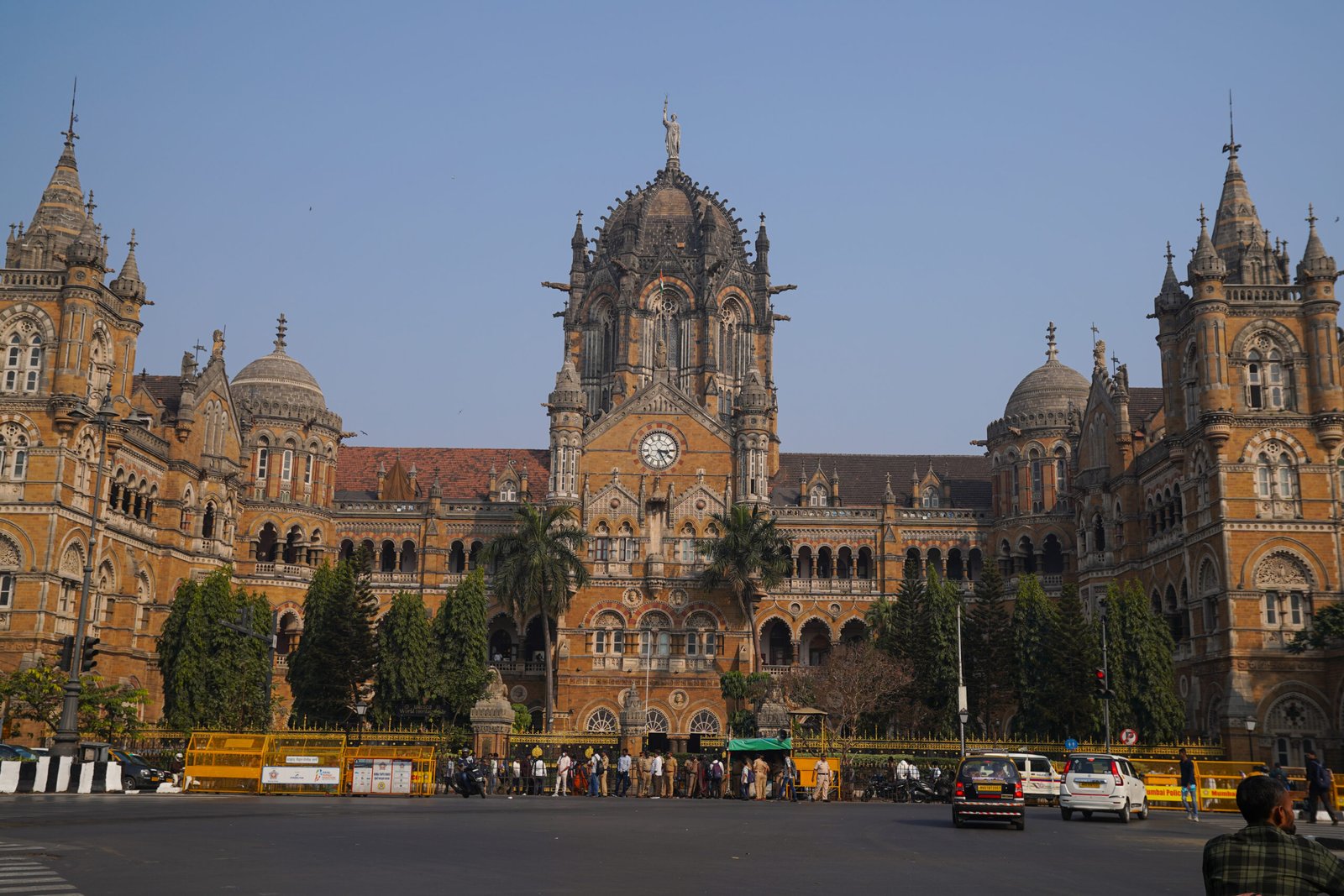
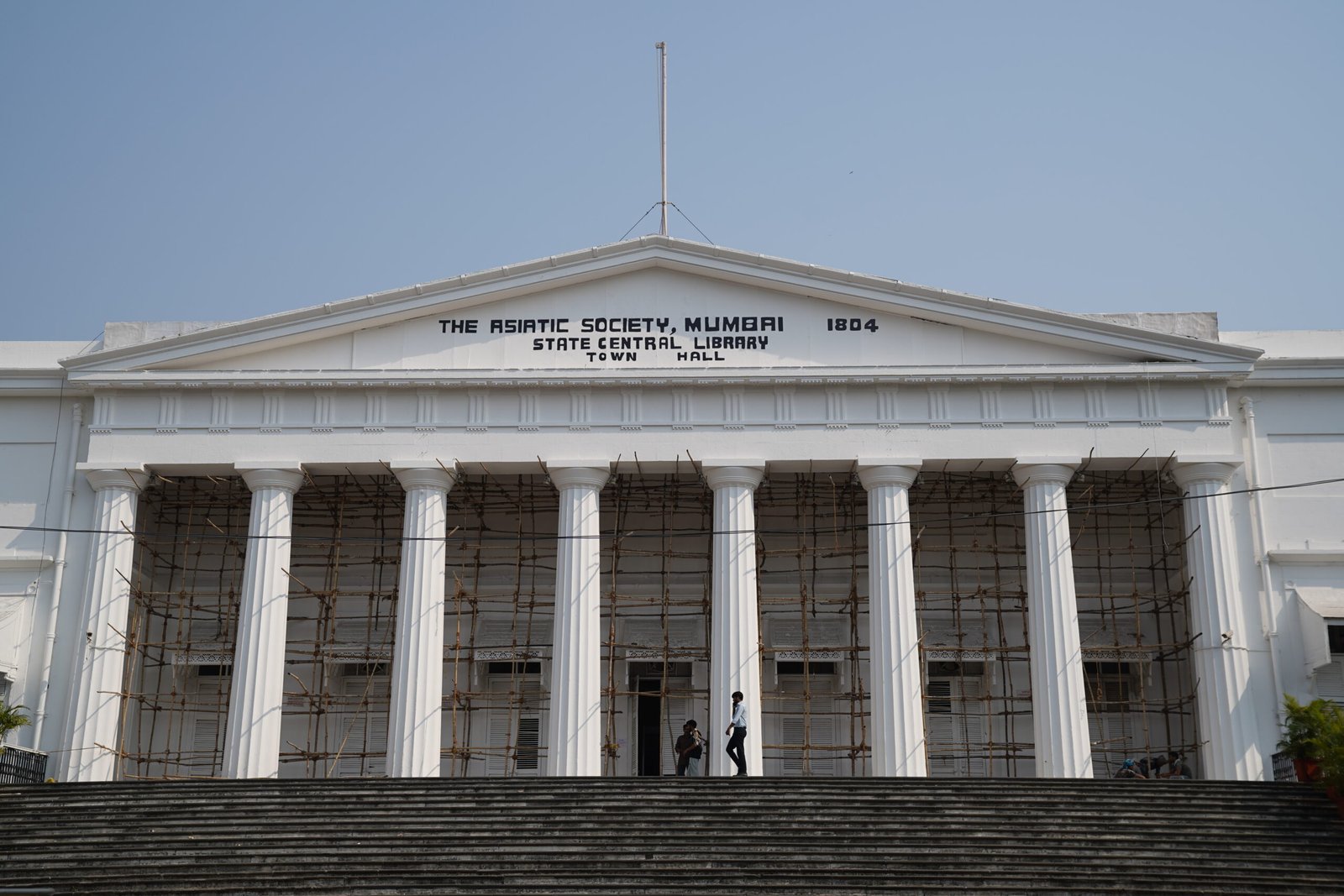
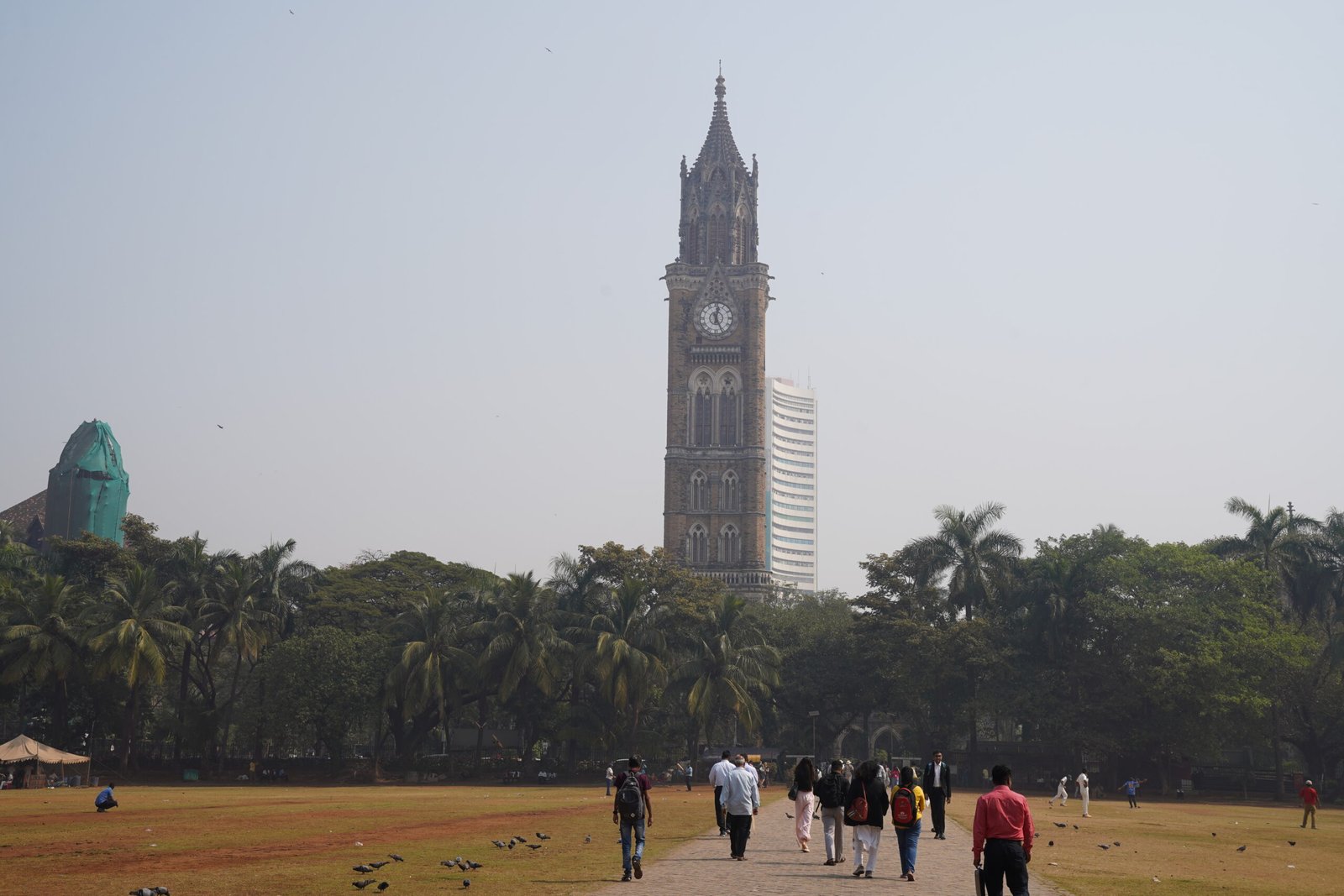
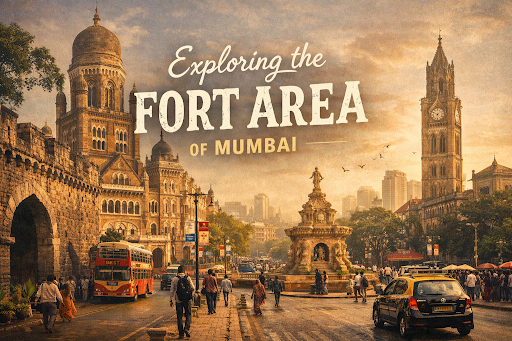
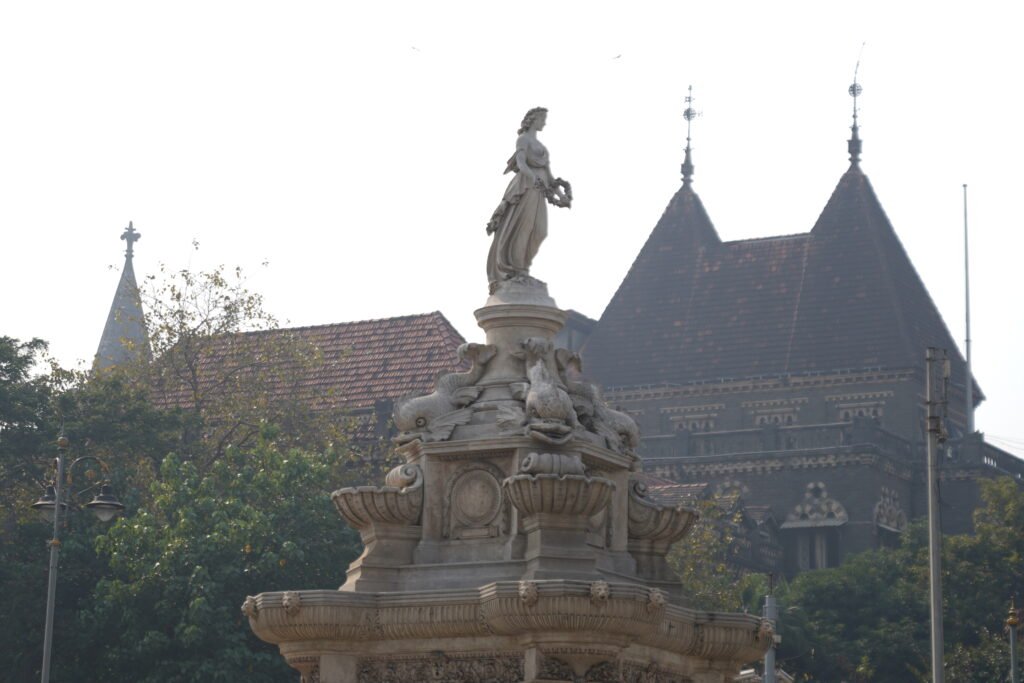
Today, the Fort area is famous for its grand heritage buildings that reflect British-era architecture.
- One of the most iconic structures is Chhatrapati Shivaji Maharaj Terminus, a UNESCO World Heritage Site known for its stunning Victorian Gothic design.
- The beautiful white building of the Asiatic Society of Mumbai stands proudly with its grand steps, where people sit and watch the world go by and a rare collection of books.
- The impressive Bombay High Court is another historic landmark in this area. Nearby, the tall and elegant Rajabai Clock Tower adds charm to the skyline.
- Flora Fountain continues to be one of the most photographed monuments in South Mumbai.
If you look closely at the old buildings, you will notice carved balconies, tall windows, and stone details that have survived for hundreds of years.
Final Thoughts
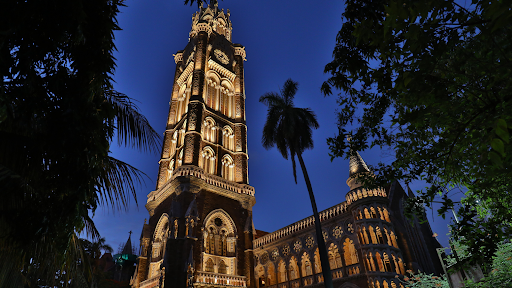
The Fort area quietly tells the story of how Mumbai protected itself, built its trade, and slowly grew into the city we know today. It started as a small walled settlement built for safety, and over time opened up as the city expanded beyond those stone boundaries. The walls may no longer stand, but their presence can still be felt in the names of places like Churchgate and in the grand old buildings that continue to watch over the streets.
Every building, every street, and even the names of places remind us of Mumbai’s early days. To truly appreciate the scale of this transformation, there is no better way to experience the area than through a heritage walk that brings these hidden histories to life.
If you’re planning to explore the city, don’t miss our guide on Top Things to Do on a Mumbai Sightseeing Tour, where we highlight the must-visit landmarks across South Mumbai.
To discover more unique parts of the city beyond Fort, explore our guide to 8 Mumbai Neighbourhoods You Must Explore and see how different areas contribute to Mumbai’s character.