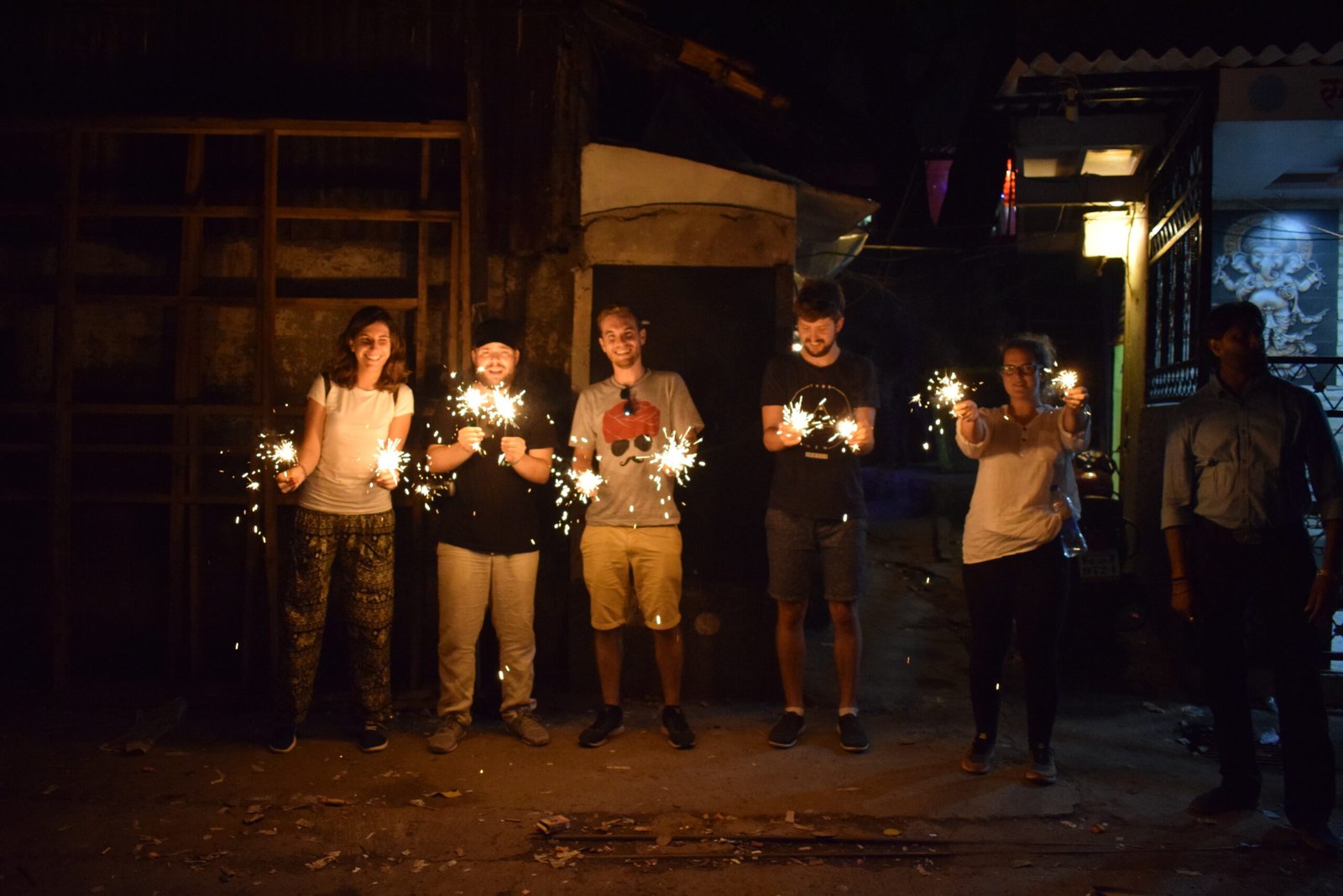
If you are travelling in India in October or November, you will probably run into Diwali before anyone explains it. Buildings are strung with lights, clay lamps line balconies and doorways, sweet shops get busy, and fireworks can be heard in the evenings.
Experiencing Diwali in India is a unique cultural experience. Diwali is India’s Festival of Lights and one of its biggest festivals. It does not look the same everywhere. Customs differ by region and community, so a Diwali evening in Mumbai is not the same as one in Chennai, Kolkata, or Varanasi.
This guide covers what Diwali is, how it is celebrated, and what to plan for if your trip falls around it.
What is Diwali?
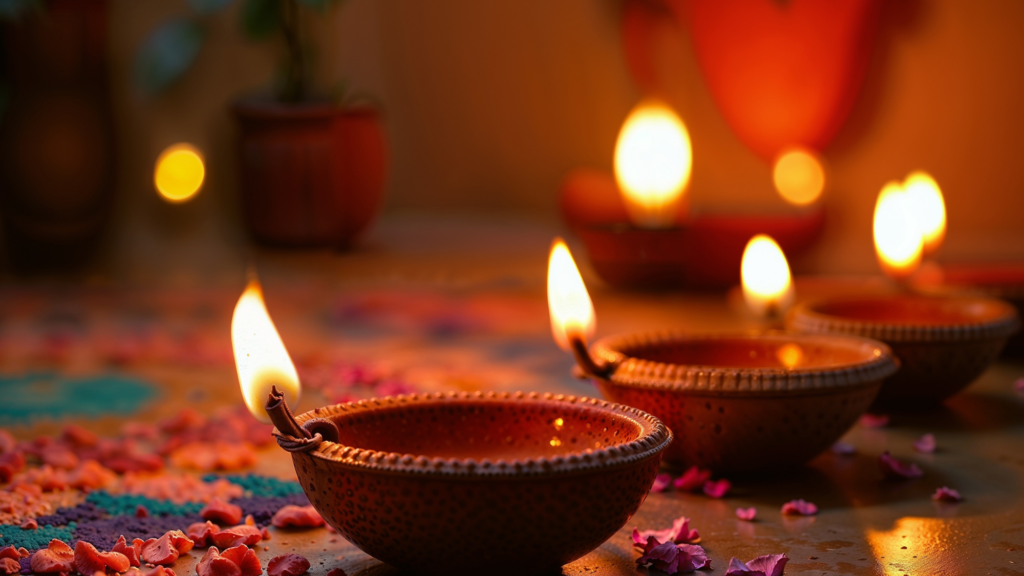
Diwali is mainly a Hindu festival, and Jains and Sikhs also mark it in their own ways. For Jains, it is linked to the nirvana of Mahavira. Sikhs observe Bandi Chhor Divas, and the Golden Temple in Amritsar is lit up for it.
The best-known story, especially in north India, is Rama’s return to Ayodhya after defeating Ravana. People are said to have lit rows of lamps to welcome him home, which is one reason diyas (small clay lamps) are central to the festival. Other regions tell other stories, so the way Diwali is celebrated changes from place to place.
Diwali is also linked to Lakshmi, the goddess of wealth and prosperity. People clean and decorate homes before offering prayers to her.
When is Diwali celebrated?
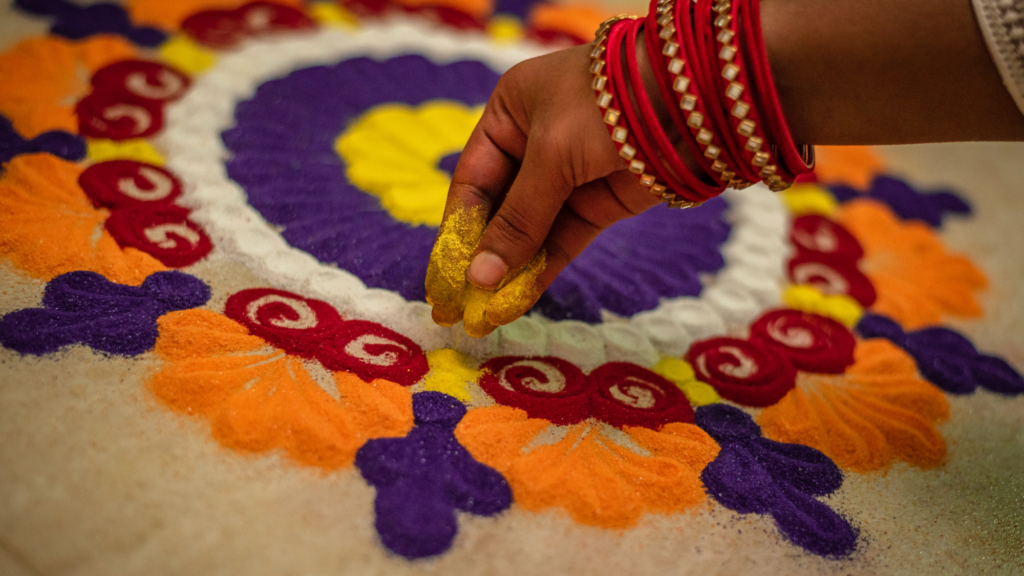
Diwali follows the Hindu lunar calendar, so its date changes every year. It usually falls in October or November.
It is also a multi-day festival rather than a single evening. Dhanteras (a day when many families buy gold, silver, or new utensils), Naraka Chaturdashi (associated with the victory of good over evil), Lakshmi Puja (worship of Lakshmi, the goddess of wealth and prosperity), Govardhan Puja (celebrating Lord Krishna and the protection of the community), and Bhai Dooj (a day celebrating the bond between brothers and sisters) are among the days associated with the wider festive period.
The days matter differently from region to region.
Just like Diwali celebrations differ across regions, exploring Delhi during the festival season offers its own unique experience. Delhi’s Diwali blends ancient traditions with modern city celebrations.
How is Diwali celebrated?
Lights and decorations
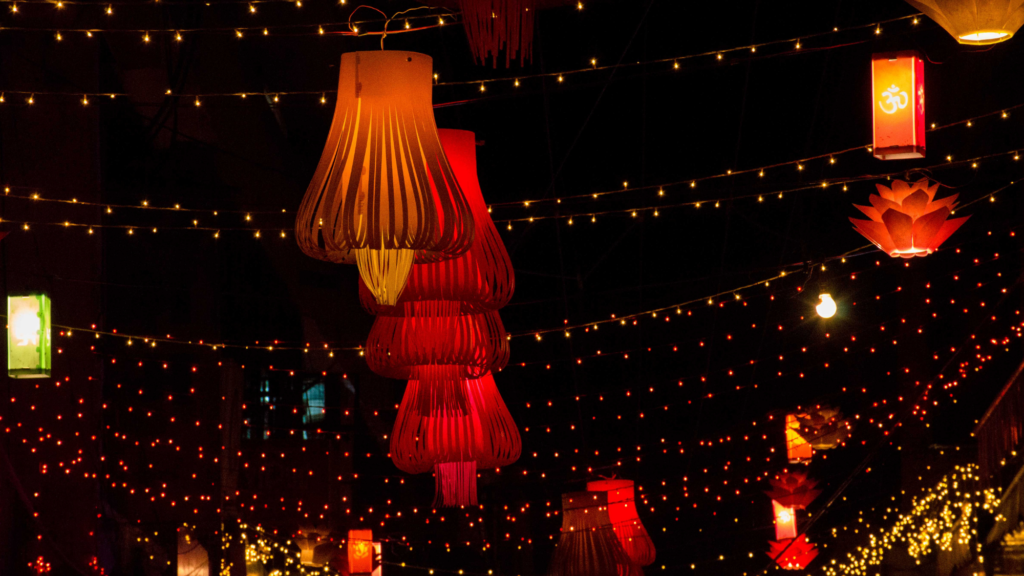
The most recognisable part of Diwali is the light.
Diyas and lanterns are placed around homes, balconies, entrances and temples. Buildings and streets may be covered with strings of electric lights, while colourful rangoli designs appear outside homes.
After sunset, entire neighbourhoods look completely different.
Family and prayers
Diwali is an important time for families to come together. People visit relatives, exchange gifts, and share festive meals.
For many Hindu families, Lakshmi Puja is an important part of the main Diwali celebration. Homes and workplaces may be cleaned and decorated before prayers are offered.
Food and sweets
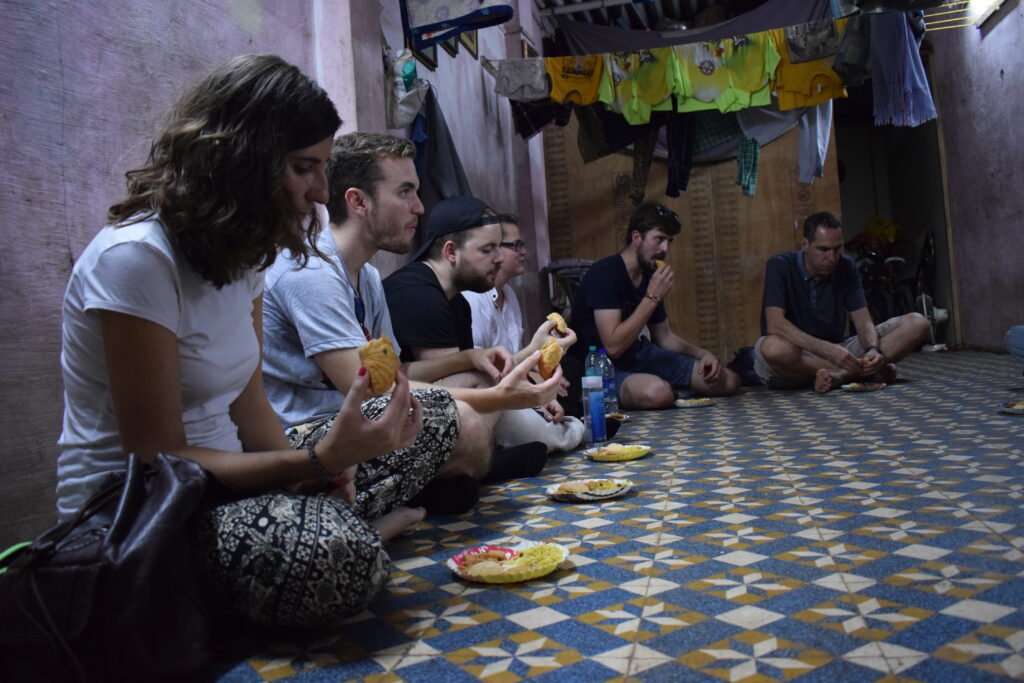
Food is a major part of the festival. Indian sweet shops become especially busy, with mithai such as ladoo, barfi and jalebi being bought for family, friends and visitors.
Karanji (a sweet pastry filled with coconut and sugar), chakli (a crispy, savoury spiral snack) and anarsa (a sweet rice-based fritter made with jaggery and sesame seeds) in Maharashtra are called Diwali Faral; adhirasam (a traditional sweet made from rice flour and jaggery) and murukku (a crispy, savoury spiral snack) in Tamil Nadu, and sandesh (a soft Bengali sweet made from fresh cottage cheese and sugar) in Bengal.
Different parts of India also have their own festive dishes and snacks, so what you eat during Diwali can depend greatly on where you are travelling.
Food is a major part of the festival. Indian sweet shops become especially busy, with mithai such as ladoo, barfi and jalebi being bought for family, friends and visitors.
Karanji (a sweet pastry filled with coconut and sugar), chakli (a crispy, savoury spiral snack) and anarsa (a sweet rice-based fritter made with jaggery and sesame seeds) in Maharashtra are called Diwali Faral; adhirasam (a traditional sweet made from rice flour and jaggery) and murukku (a crispy, savoury spiral snack) in Tamil Nadu, and sandesh (a soft Bengali sweet made from fresh cottage cheese and sugar) in Bengal.
Different parts of India also have their own festive dishes and snacks, so what you eat during Diwali can depend greatly on where you are travelling.
Just like Diwali, Ganesh Chaturthi and other Indian festivals celebrate regional sweets and traditions. Explore these celebrations to understand India’s diverse festival culture.
Fireworks
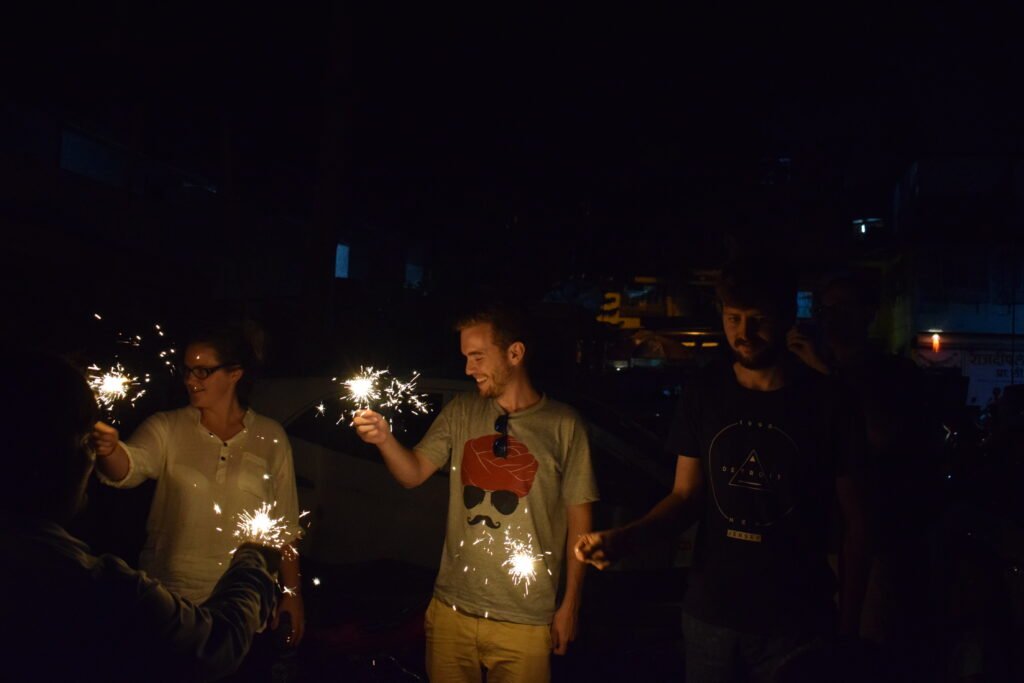
Fireworks are another familiar part of Diwali, although their scale varies from place to place.
For travellers, this can mean anything from a few fireworks in a residential neighbourhood to a much louder evening across a busy city.
Tip: Fireworks rules differ by city and change from year to year, so check locally before you go. If noise bothers you, ask your hotel for a room away from the main road. Evenings around the main night are usually the loudest.
What should travellers expect during Diwali?
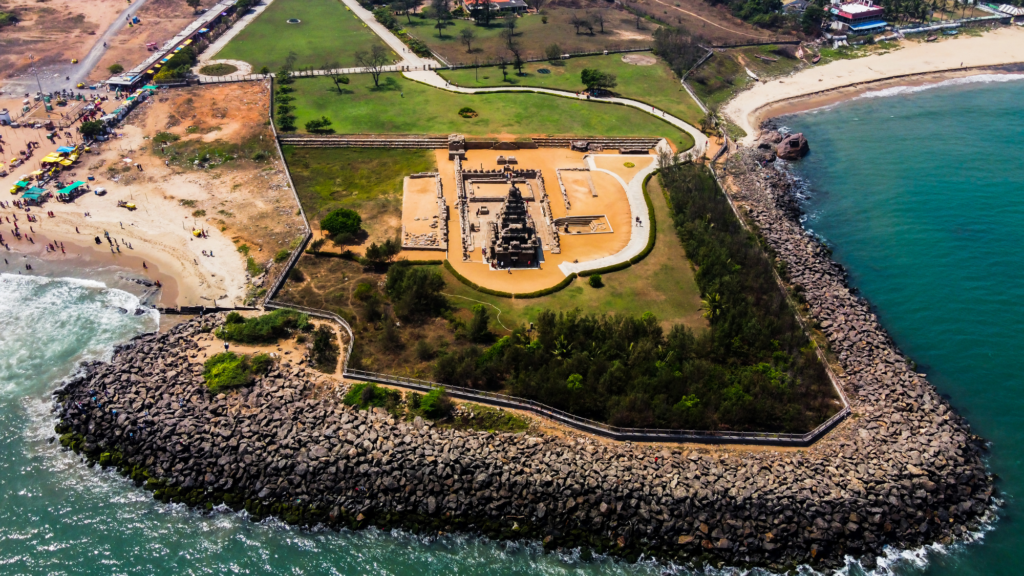
Diwali can be an exciting time to travel through India, but it is also one of the country’s busiest festive periods.
Expect:
- Busy markets and shopping areas
- More traffic in many cities
- Crowded trains, flights and popular destinations
- Fireworks and increased noise in the evenings
- Streets, homes and businesses covered in lights
- Some shops and businesses operating on different schedules
It is a good idea to book important transport and accommodation in advance, particularly if you are travelling between major cities.
At the same time, these changes are part of what makes travelling during Diwali interesting.
How can travellers experience Diwali?
You do not need a ticket or a big public event to see Diwali.
See where the diyas come from: In Mumbai, a lot of the clay lamps sold at festival time are made in Kumbharwada, which has been working for over a century.
Walk a residential street after dark: Rangoli outside doorways and diyas along balconies are easiest to see in the early evening. Lakshmi Puja is held in the evening, within about two hours after sunset.
Spend an evening on the ghats in Varanasi. The festival season has a distinctive atmosphere around the Ganges, and the ghats, temples and evening rituals look very different from a busy neighbourhood in Mumbai or Delhi. Note that Dev Deepawali, the festival of lamps on the ghats, is a separate celebration about two weeks after Diwali, so check which one you are planning around.
A few Diwali etiquette tips
Diwali is a celebration, but it is also an important religious and family occasion. A little cultural awareness goes a long way.
- Ask before photographing people, especially during private or religious celebrations.
- Dress respectfully when visiting temples or other religious places.
- Follow local instructions around ceremonies and public celebrations.
- Be careful around fireworks and give people using them plenty of space.
- Remember that Diwali traditions differ across India.
If you are not sure whether something is appropriate, ask your host or guide.
Experiencing Diwali in India
Diwali is called the Festival of Lights, but for many families it also means a cleaned home, new clothes, gifts, visits to relatives and a lot of sweets. What you see depends on where you are: a market in Mumbai, a street of rangoli in Delhi, or the ghats of Varanasi.
If you are travelling in October or November, book trains and hotels early and keep one evening free to walk through a local neighbourhood after dark.