
Key Takeaways
- Choose Murudeshwar for temple culture, coastal views and a beach stop.
- Visit Hampi for ancient temples, ruins and a vast historic landscape.
- Head to Madurai for the colourful Meenakshi Amman Temple, local culture and food.
- Choose Thanjavur for Brihadisvara Temple, Chola architecture, ancient history & heritage.
- Stop at Mahabalipuram for the Shore Temple, Pallava sculpture and coastal scenery.
A 37-metre Shiva statue looking out over the Arabian Sea. A temple town with more gopurams than most cities have streets. An 11th-century tower still standing after a thousand years of monsoons. South India’s temples don’t look like each other — and that’s the point.”
You don’t need to visit them all. Instead, choose one of these South Indian temples or temple towns that fits naturally into the part of South India you’re exploring.
Murudeshwar Temple, Karnataka
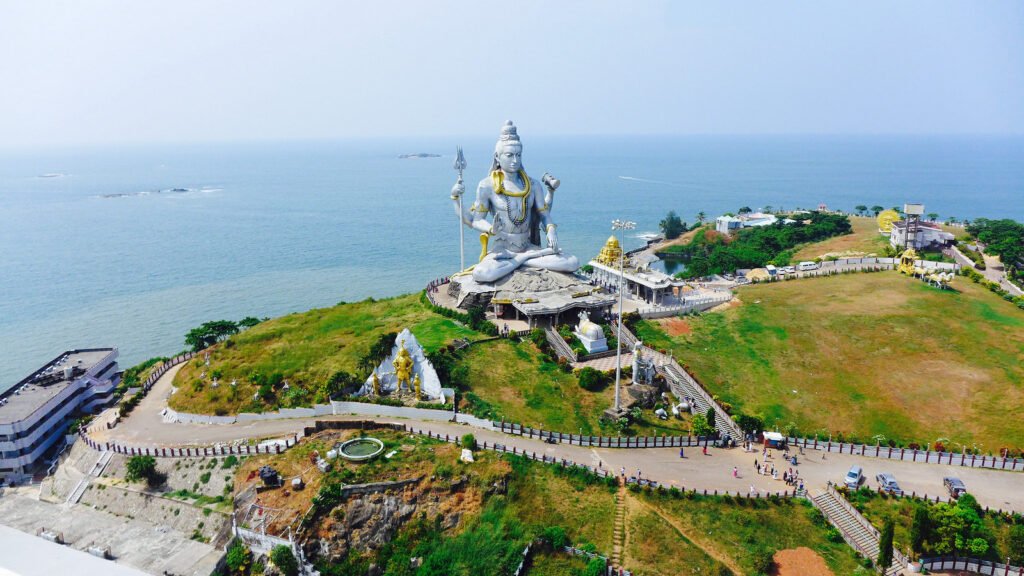
Set beside the Arabian Sea, Murudeshwar is one of Karnataka’s most striking temple destinations. The temple complex is home to a 37-metre statue of Lord Shiva — the second tallest in the world — overlooking the coast, alongside the 20-storey Raja Gopuram, or gateway tower, which has its own lift to the top for panoramic sea views.
The site is linked to the legend of the Atmalinga, a sacred relic Shiva is said to have entrusted to the demon king Ravana. That story makes Murudeshwar an important pilgrimage site as well as a popular stop for travellers.
What to expect
Murudeshwar is an active place of worship, so expect devotees, rituals, and a lively atmosphere. Modest clothing is recommended, and footwear must be removed before entering the temple.
The temple sits right beside Murudeshwar Beach, and the wider coastline offers further stops, including diving at Netrani Island.
Murudeshwar is a common stopover on the coastal route between Goa and Mangalore, roughly 170km from Mangalore’s airport, and is also served by rail.
Good for: Temple culture, coastal scenery, and combining history with a beach stop.
Murudeshwar is one of the stops on the South India Off the Beaten Path route, which continues on to Hampi and Goa.
Hampi, Karnataka
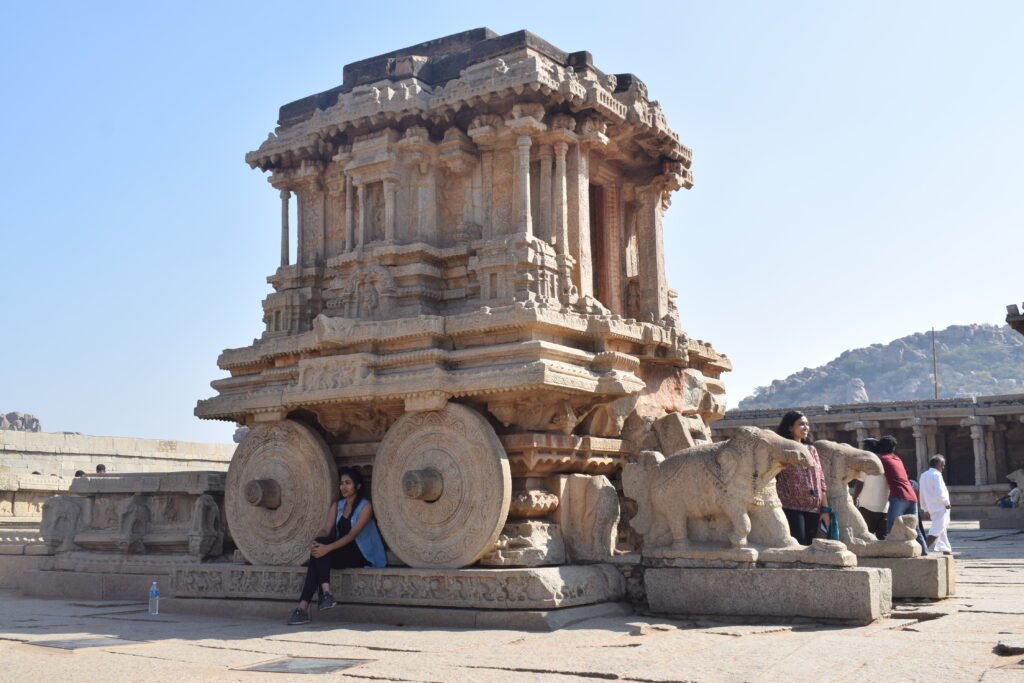
Hampi is different from the other destinations on this list. It isn’t about one famous temple — it is an entire historic landscape filled with temples, shrines, markets, royal buildings and ruins.
Once the capital of the Vijayanagara Empire, Hampi is now a UNESCO World Heritage Site with more than 1,600 surviving monuments. The Virupaksha Temple remains an active place of worship, while the Vittala Temple is known for its remarkable architecture and famous stone chariot.
What to expect
Hampi is spread across a large area, so expect plenty of walking and time outdoors- most travellers rent a bicycle or scooter from Hampi Bazaar to get between sites. Its huge boulders, hills and the Tungabhadra River are as much a part of the experience as its temples. Allow at least a full day, ideally two, to see the site properly.
Beyond the temples, explore the Royal Centre, Lotus Mahal, Elephant Stables, ancient bazaars and hilltop viewpoints.
The nearest railway station is Hospet Junction, 13km away, with regular trains from Bengaluru, Mumbai, Goa and Hyderabad.
Good for: History, architecture, photography and exploring an ancient city rather than a single monument.
Continuing your Karnataka temple trail? Don’t miss the Badami Cave Temples, another rock-cut marvel just a few hours from Hampi.
Meenakshi Amman Temple, Madurai
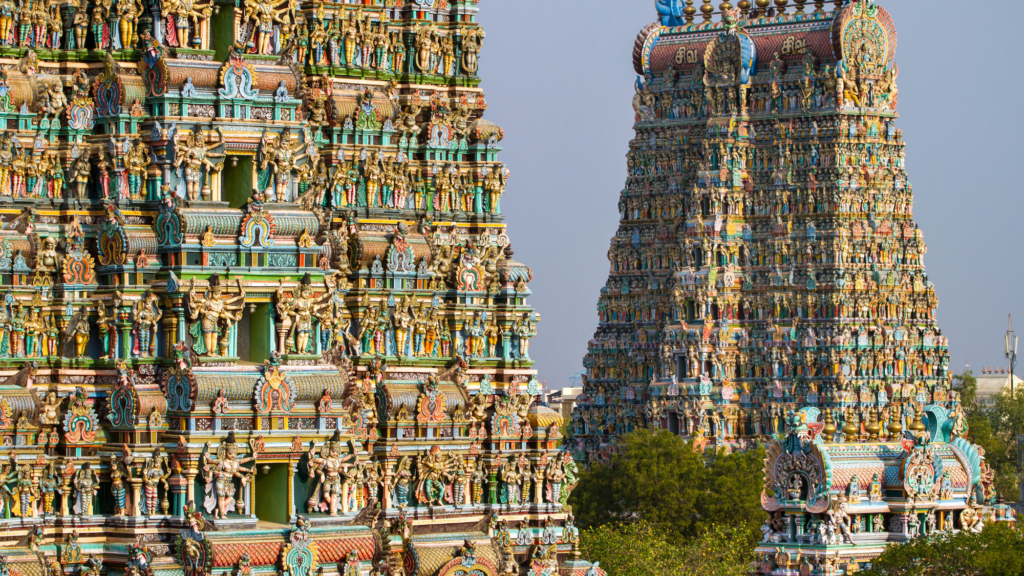
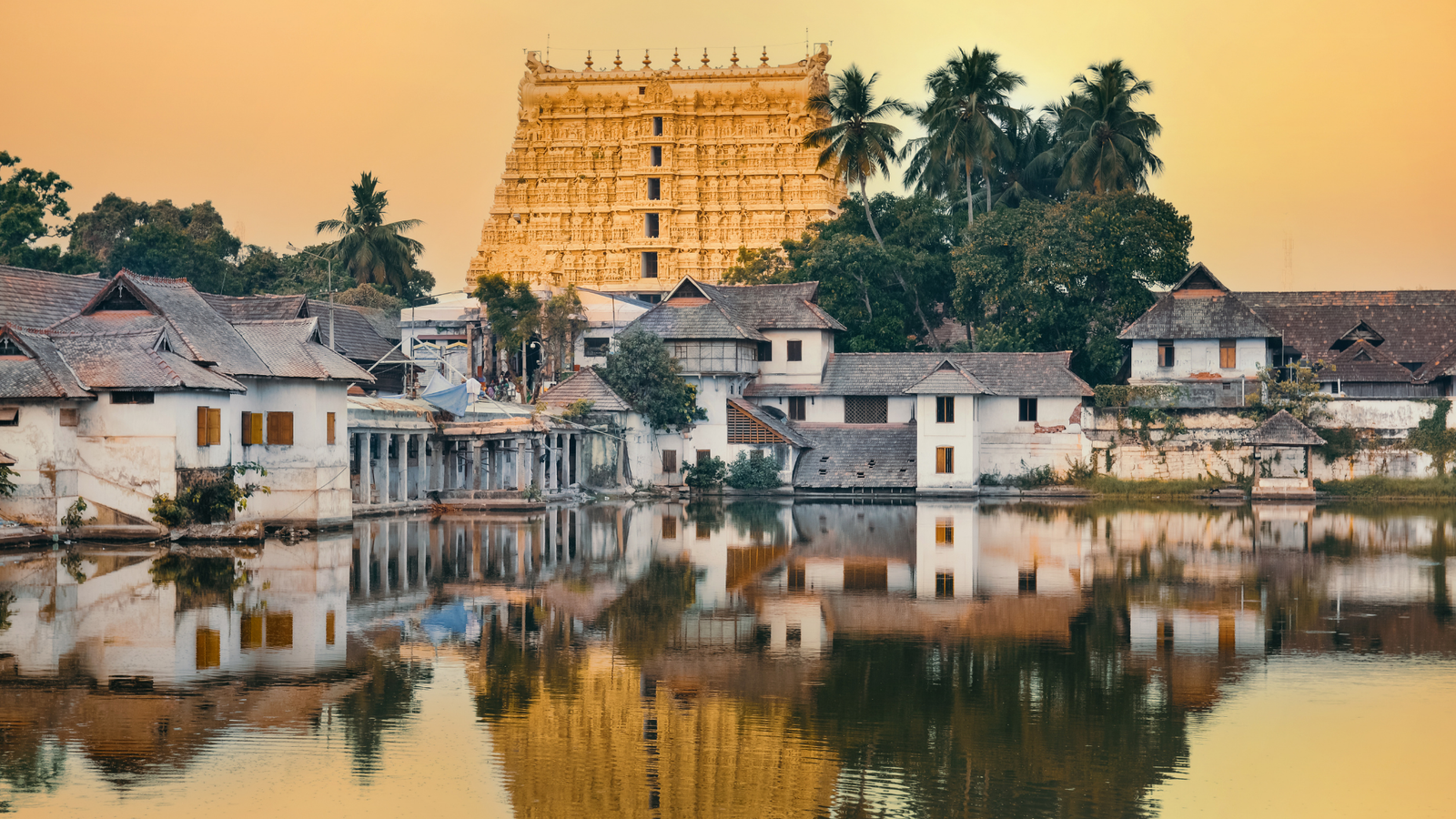
The Meenakshi Amman Temple is one of the most recognisable landmarks in Tamil Nadu. Its towering gopurams are covered in colourful sculptures, while the enormous complex contains halls, corridors, shrines and intricate carvings.
But this is not simply an ancient monument. It remains an important place of worship and a central part of life in Madurai.
What to expect
Expect a busy and energetic atmosphere, especially during festivals. Dress modestly, remove your footwear where required and follow the temple’s photography and access rules.
Non-Hindu visitors are welcome throughout most of the complex, including the Thousand Pillar Hall, but are not permitted into the inner sanctums housing the two main deities. Foreign visitors pay a small entry fee, usually around ₹50.
While in Madurai, explore Thirumalai Nayak Palace, Gandhi Memorial Museum, and the markets and streets around the temple.
Madurai has its own airport, about 20 minutes from the temple, and the railway station is a short walk away.
Good for: Temple architecture, local culture, food and experiencing a living South Indian city.
Brihadisvara Temple, Thanjavur
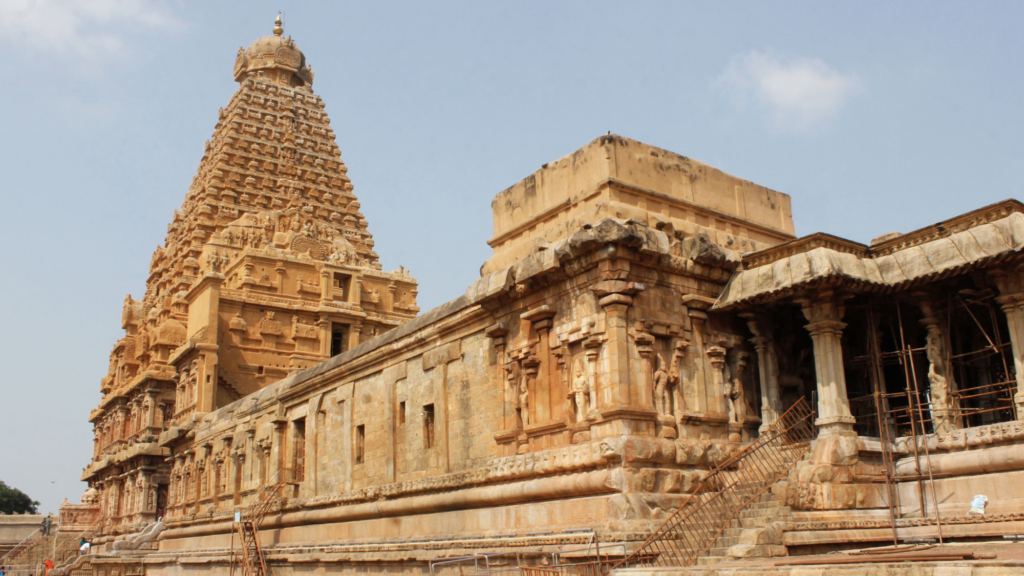
Built around 1010 AD by Chola king Rajaraja Chola I, Brihadisvara Temple is one of the finest examples of Chola architecture. It is also one of the Great Living Chola Temples, recognised as a UNESCO World Heritage Site.
The temple is dedicated to Lord Shiva and is known for its monumental scale, detailed carvings and imposing central tower.
What to expect
Brihadisvara is both a historic monument and a functioning temple. Take time to appreciate the architecture while being mindful that worship continues around you.
Thanjavur’s Royal Palace complex, close to the temple, is worth a couple of hours on its own — it houses the Saraswathi Mahal Library, one of Asia’s oldest libraries with a collection of rare palm-leaf manuscripts, and the Thanjavur Art Gallery, known for its Chola-era bronze sculpture.
Trichy is the nearest airport, about 50km from Thanjavur, with regular flights from major Indian cities.
Good for: Ancient history, monumental architecture and Chola heritage.
Shore Temple, Mahabalipuram
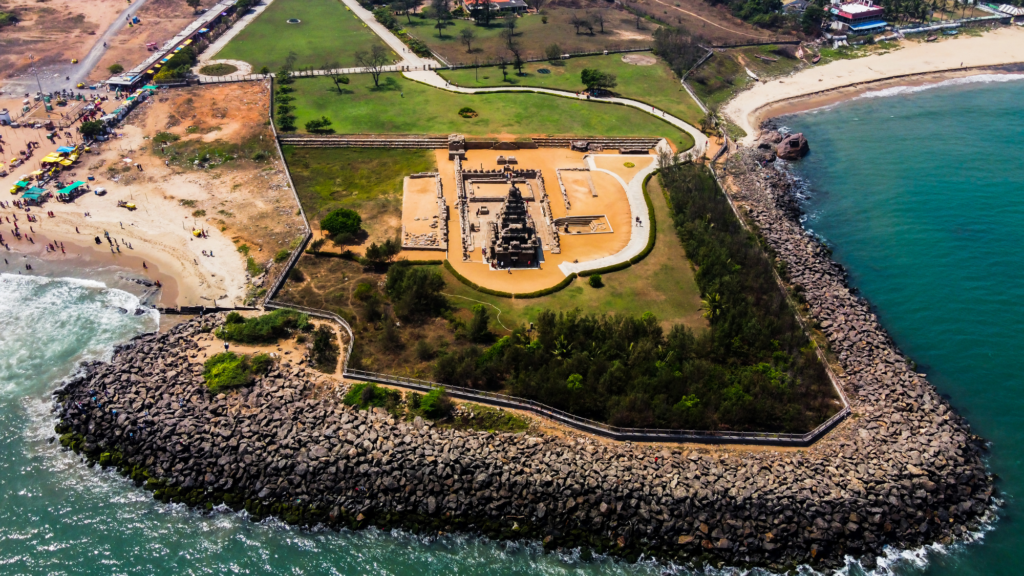
Travelling along the Tamil Nadu coast towards Pondicherry? Make time for Mahabalipuram.
The Shore Temple is part of the UNESCO-listed Group of Monuments at Mahabalipuram, built under the Pallava dynasty between the 7th and 8th centuries. Its location beside the Bay of Bengal makes it particularly memorable.
What to expect
Don’t visit only the Shore Temple. The wider site includes the Pancha Rathas, Arjuna’s Penance, cave temples and numerous stone sculptures.
Comfortable footwear is useful, since you’ll be walking between several monuments. You can also spend some time at Mahabalipuram Beach before continuing towards Pondicherry.
Mahabalipuram is about 55km, or an hour’s drive, south of Chennai, making it an easy stop on the way to or from the city.
Good for: Ancient architecture, sculpture, UNESCO heritage and combining culture with the coast.
What to Expect When Visiting South Indian Temples
Many temples in South India are active places of worship, so the experience can be very different from visiting a museum or historical monument.
Strict Dress Codes: Shoulders and knees must be covered. Men may be required to remove shirts and wear a dhoti/veshti in traditional sanctums; women should wear a saree, salwar kameez, or modest long clothing.
Afternoon Closures: Most active temples close between 12:30 PM and 4:00 PM for daily rituals. Plan visits for early morning or late afternoon.
Footwear & Leather: Leave shoes and leather items (belts, bags) at designated counters before entering.
Photography: Allowed in outer courtyards, but strictly forbidden inside the main inner sanctums (Garbhagriha).
Pacing & Crowds: Expect queues, incense, bells, and lively crowds, especially during morning/evening ceremonies.
Exploring South India's Temples
You don’t need to visit these five on one trip. Murudeshwar and Hampi both work well within a Karnataka itinerary, ideally paired with Gokarna or Goa on the coast. Madurai, Thanjavur and Mahabalipuram sit along a rough line through Tamil Nadu, and could be combined into a single loop via Trichy, with Mahabalipuram doubling as a stop on the way to or from Chennai or Pondicherry.
South India’s temples aren’t a checklist. A coastal shrine, a ruined city, a living temple town, a thousand-year-old monument and a stretch of Pallava coastline each ask for a different kind of visit — some rushed, some slow, some best combined with a beach or a train journey elsewhere. Pick the ones that fit the trip you’re already planning, and build the rest of your route around them.
Looking for more offbeat South India inspiration? Check out our guide to the Top 7 Hidden Gems of South India.