October to March is the best time to visit India.” If you’ve been researching a trip to India, chances are you’ve come across this advice more than once. But here’s something worth knowing before you book your flights: winter in India doesn’t feel the same everywhere.
Delhi’s January nights average around 7°C and can fall to 1–3°C in a cold wave, often with dense fog. Rajasthan’s days are comfortable for forts and palaces, though desert nights are cold. Head towards the Himalayas, and you might find snow-covered landscapes. Travel further south, and places such as Kerala and coastal Karnataka offer a comparatively warmer escape.
So, if you’re planning a winter trip to India, knowing where to go is just as important as knowing when to visit. From choosing the right destinations to packing for different climates, here’s what you should know before planning your journey.
Understanding Winter in India
Meteorologically, winter in most of India runs from December to February. October and November are transitional months, and March starts warming up in many regions. So “October to March” describes a travel window, not the weather.
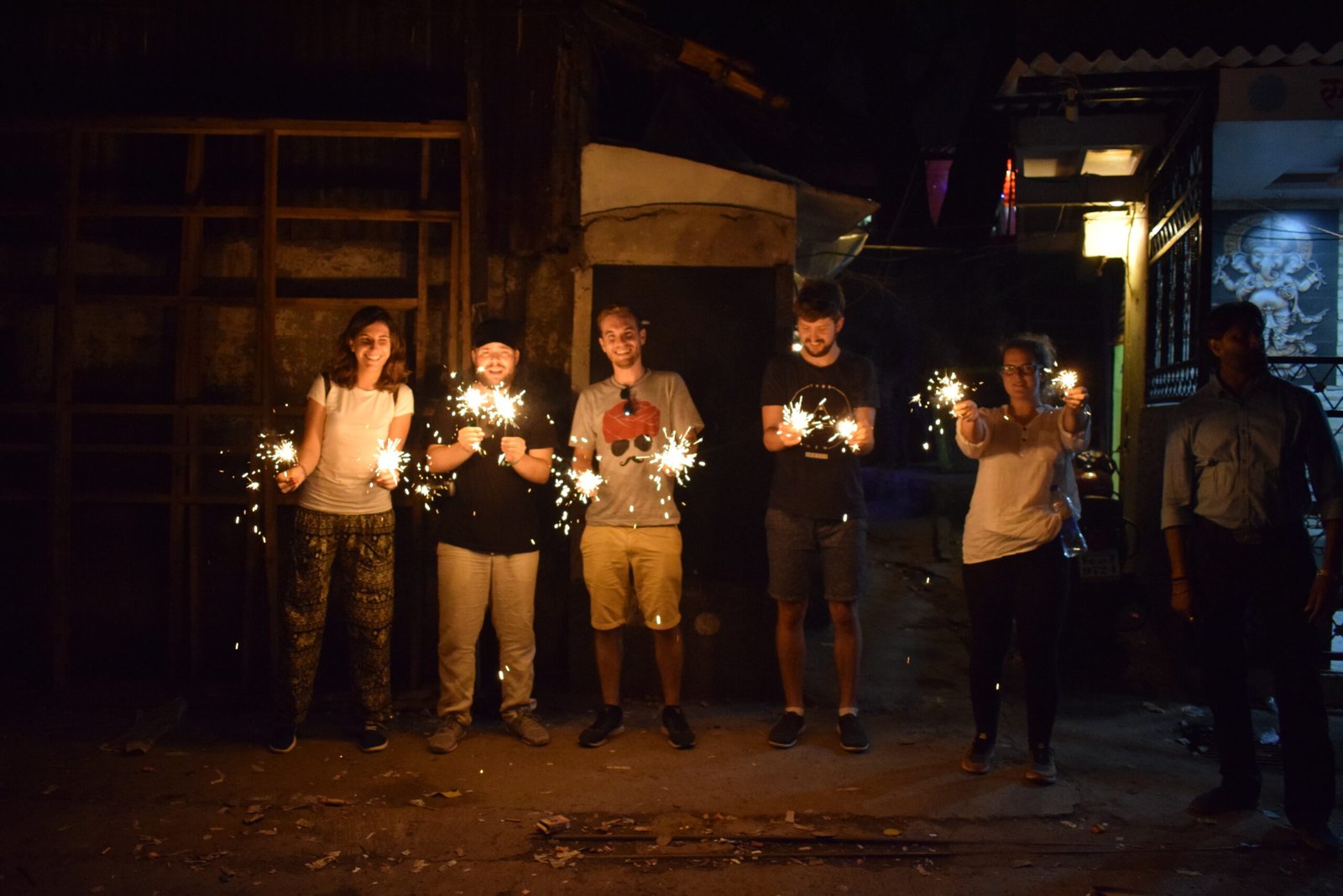
October to November: a transition period. Many regions are still shaking off the monsoon or the heat, and festival season, including Diwali, brings crowds and higher prices.
December to February: the core of winter. This is when northern India is coldest and foggiest, the Himalayas see their snow, and much of the south is at its most comfortable.
March: days start warming up, especially in the north and west. It’s a good month for travellers who want mild weather without the winter crowds.
So before you pick a destination, pick your month. The same city can feel very different in November and January.
Where to Travel in India During Winter
India offers several very different travel experiences during the cooler months. Instead of trying to cover the entire country, start by choosing regions that fit your interests and how much time you have.
North India: Historic Cities, Street Markets and the Golden Triangle
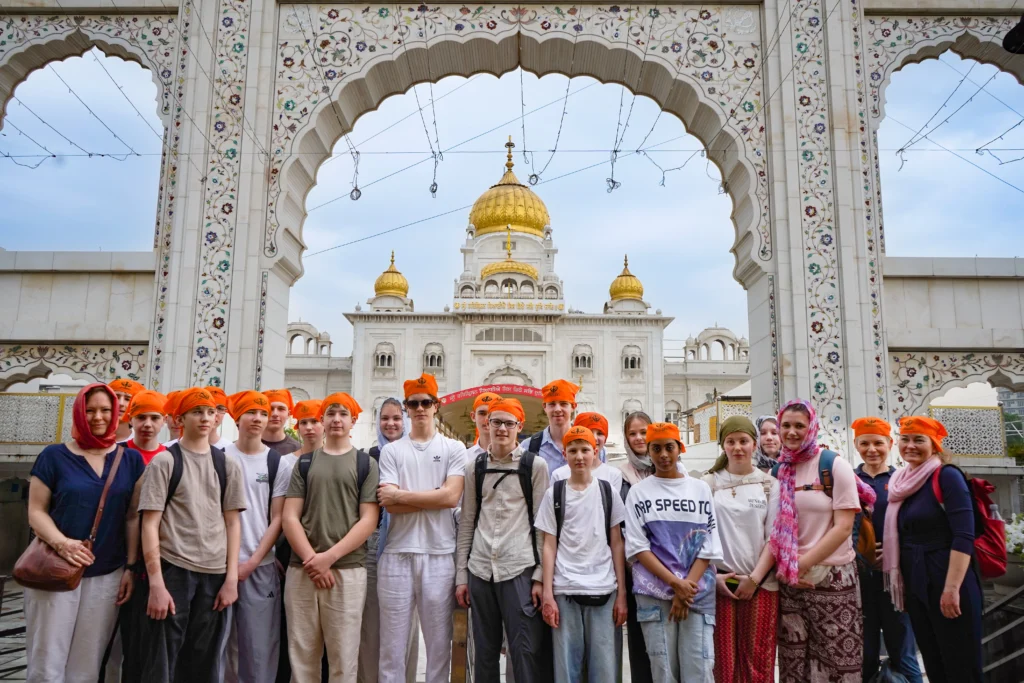
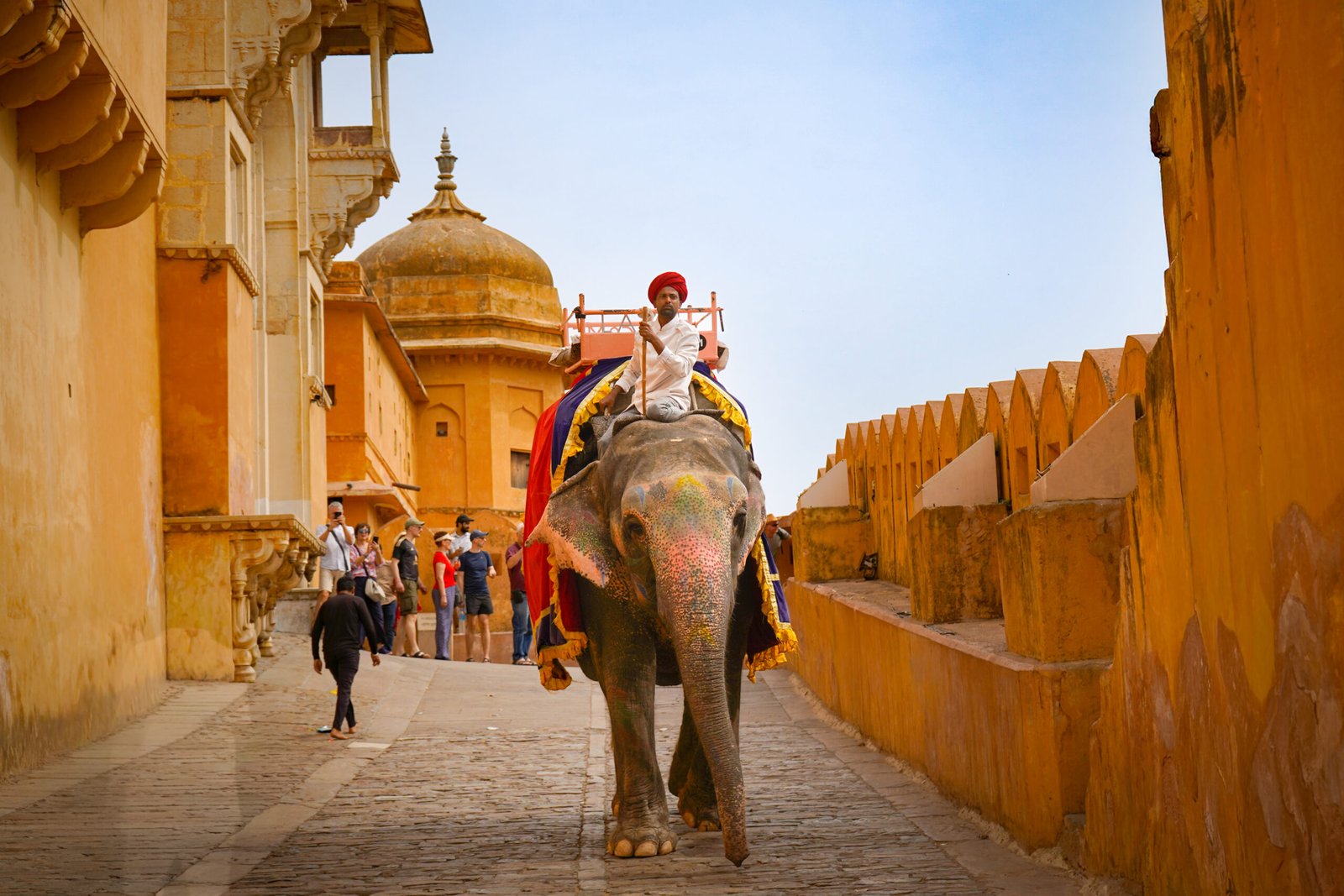
For a first visit to India, the Delhi–Agra–Jaipur route is a popular starting point. Often called the Golden Triangle, it brings together three cities with distinct architectural styles, histories and everyday rhythms.
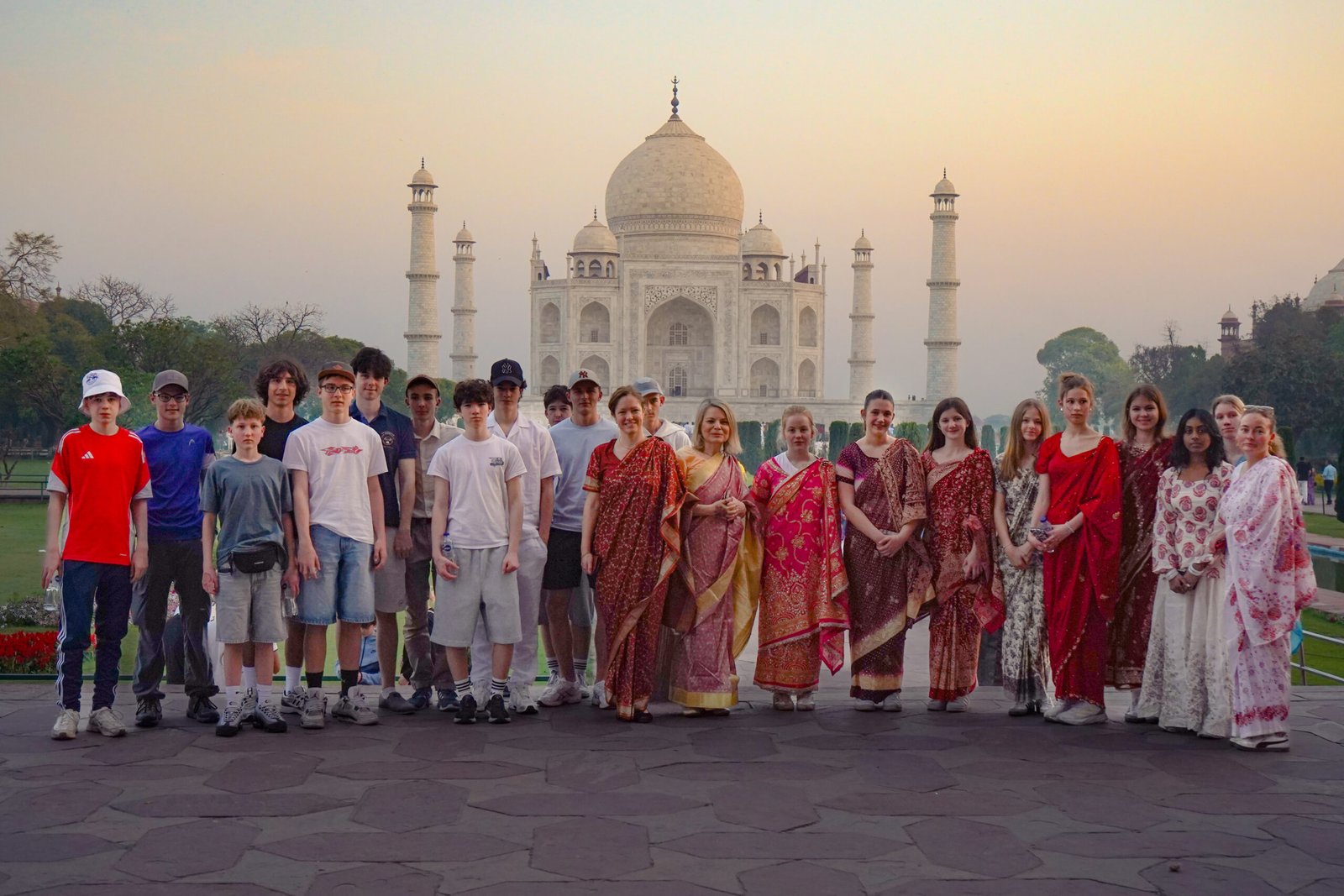
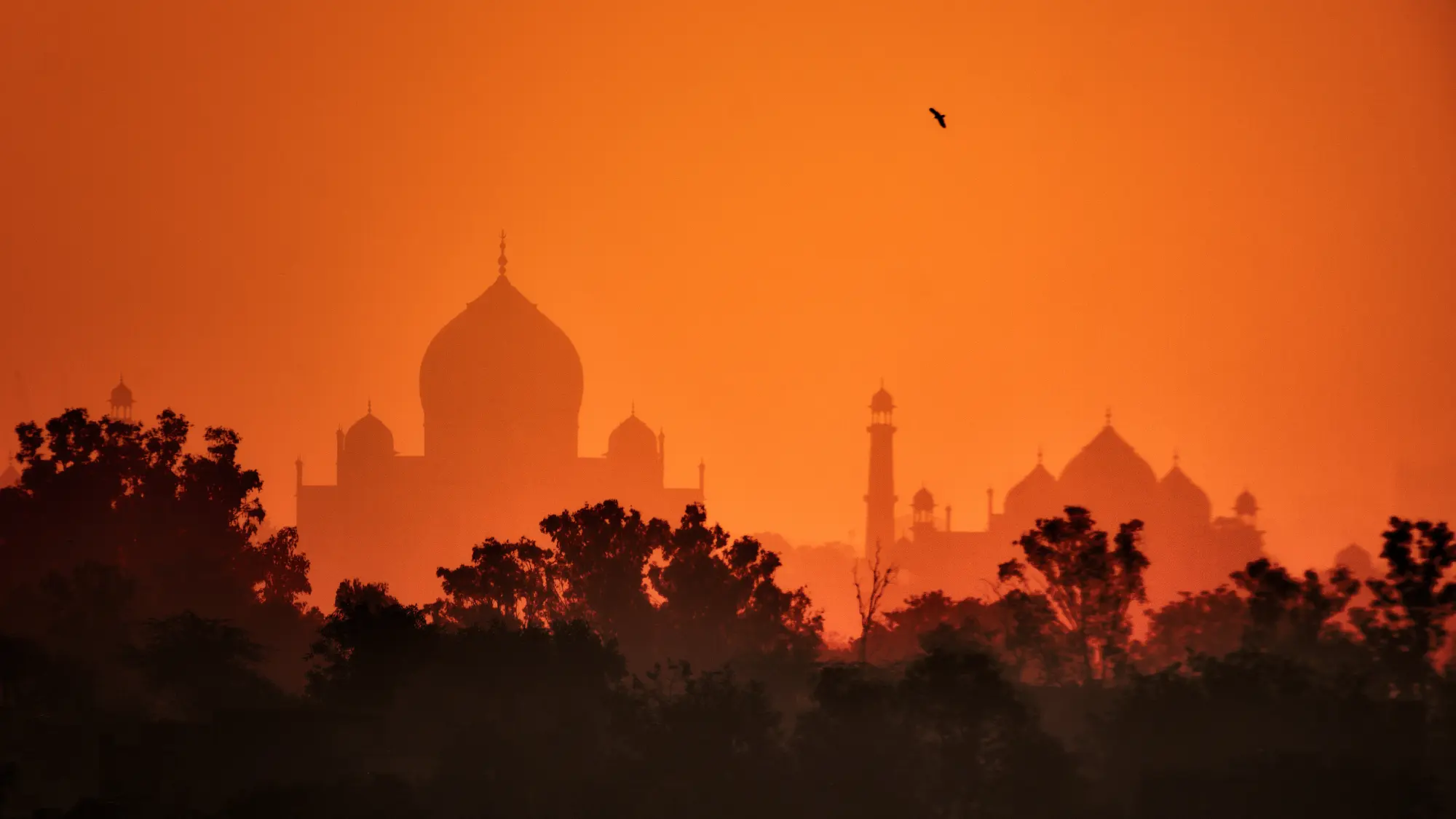
In Delhi, you can explore historic monuments, walk through the lanes of Old Delhi, visit bustling markets and sample regional street food. Agra is home to the Taj Mahal and the Mughal-era Agra Fort.
If you have more time, consider adding Varanasi to your journey. Walking along its ghats, observing daily rituals by the Ganges and exploring the old city’s lanes offers a very different experience from the monumental architecture of Delhi and Agra.
Do keep in mind that December and January can be particularly cold in the northern plains (expect highs of around 20°C and lows of around 7°C in January), and fog may occasionally affect flights, trains, and road journeys. Allow some flexibility when planning travel between cities.
For a day-by-day plan of this route, see our Golden Triangle itinerary guide.
Rajasthan: Forts, Desert Landscapes and Traditional Crafts
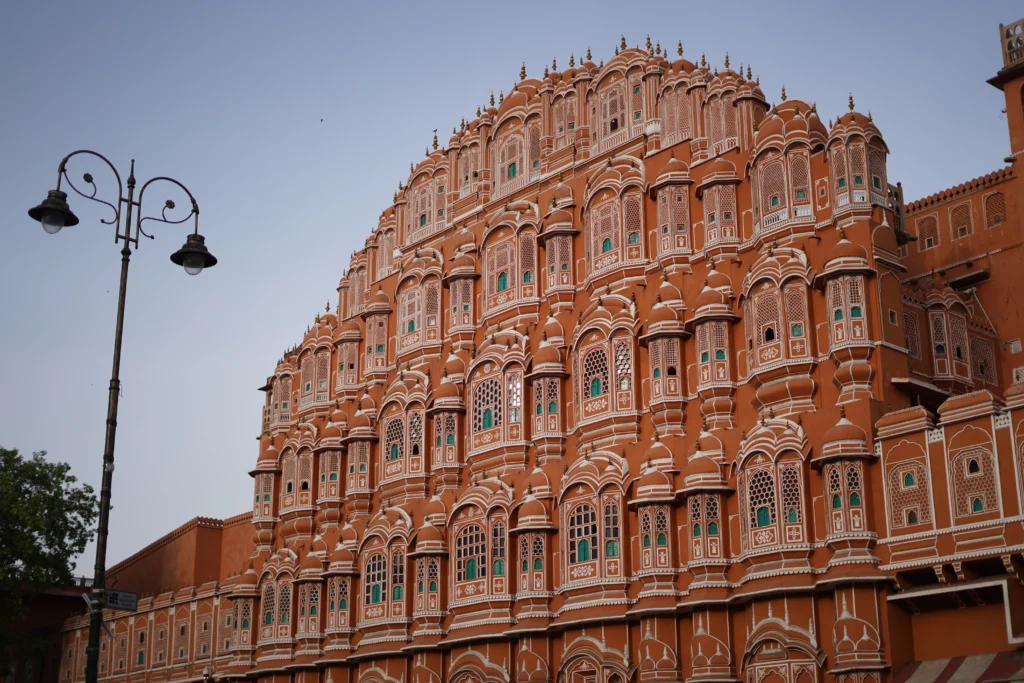
If exploring India’s royal history is on your list, winter is an excellent period to consider Rajasthan.
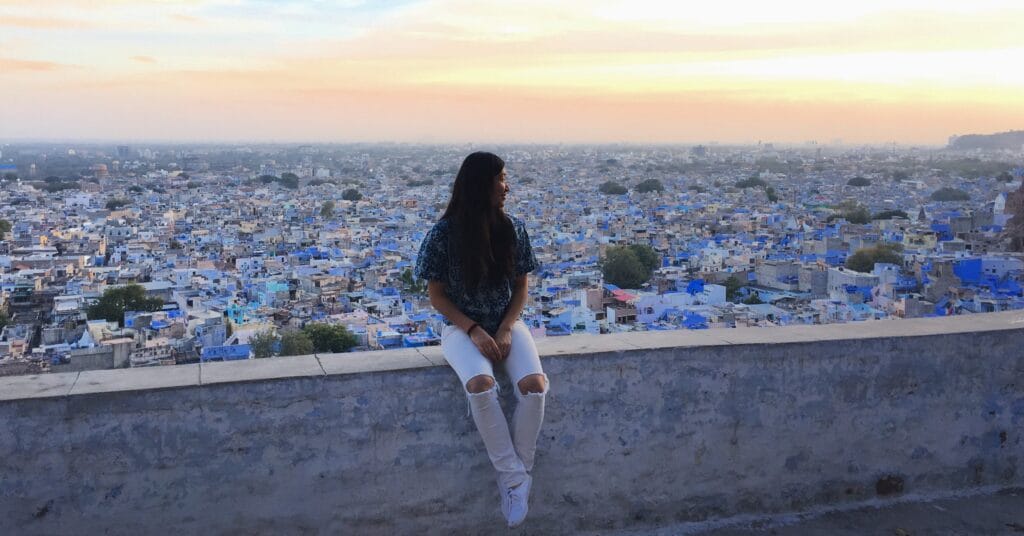
Jaipur, Jodhpur and Udaipur each offer a distinct experience. Jaipur is known for its pink-hued architecture, historic forts and colourful bazaars. Jodhpur’s blue-painted old city sits beneath the impressive Mehrangarh Fort, while Udaipur is known for its lakes, palaces and historic streets.
The cooler weather makes walking tours, fort visits and market exploration more comfortable than during Rajasthan’s intensely hot summer months. However, winter nights can still be cold, especially in desert areas.
If you’re drawn to desert landscapes, consider extending your trip to Jaisalmer. A visit to Jaisalmer Fort, a walk through the old city’s sandstone lanes and an excursion into the Thar Desert offer an alternative to Rajasthan’s larger cities.
In Jaisalmer, January days reach 22–25°C, but nights drop to around 5–9°C. Pack accordingly, particularly if your itinerary includes an overnight desert stay.
Winter is also a time for cultural events across the state. Depending on your travel dates, you may be able to experience the Jaipur Kite Festival around Makar Sankranti in January, the Camel Festival in Bikaner, or the Desert Festival in Jaisalmer.
Western India: Mumbai, Local Markets and the White Desert of Kutch
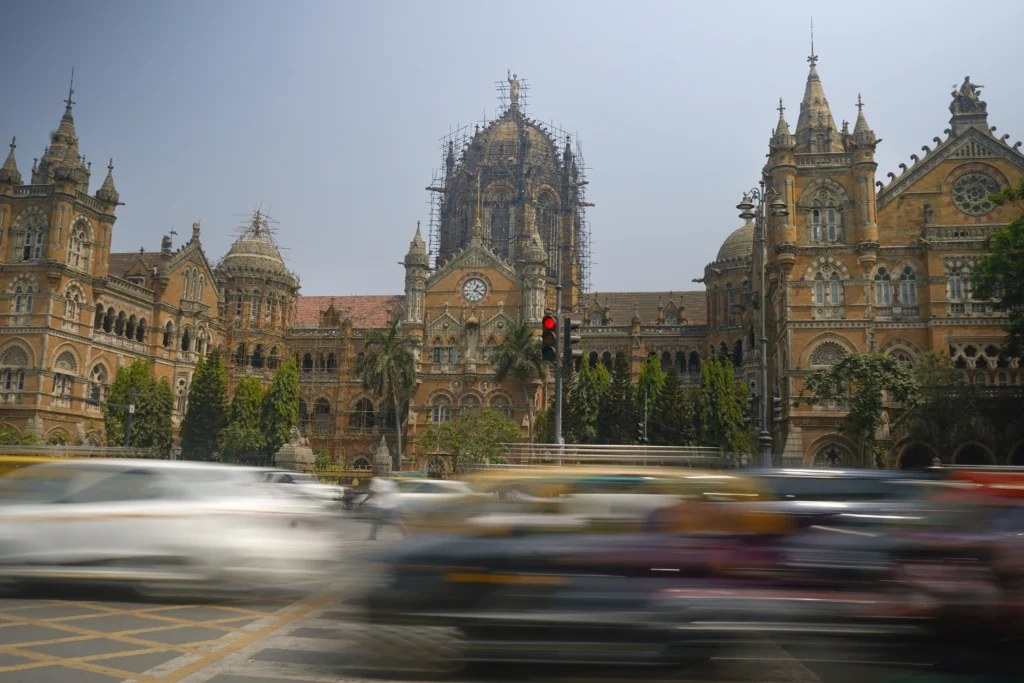
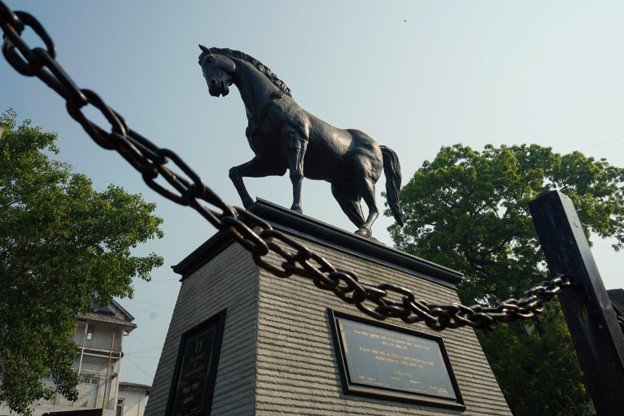
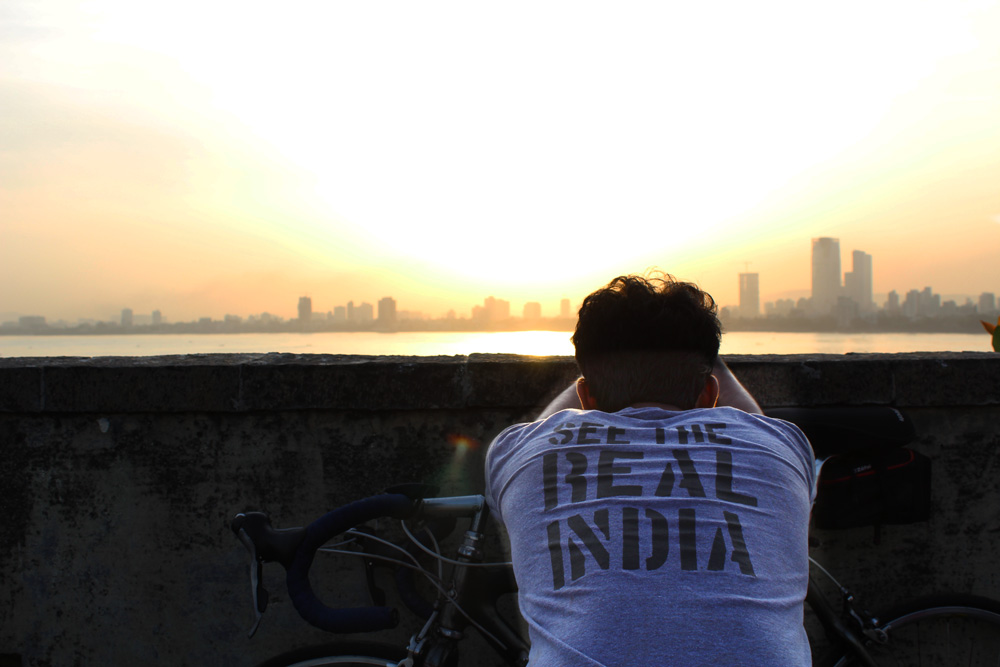
Many international travellers pass through Mumbai on the way to somewhere else, but it’s worth a day or two in its own right. In South Mumbai, look at the colonial-era architecture around Fort and Kala Ghoda, walk Marine Drive in the evening, and browse Colaba Causeway or Crawford Market.
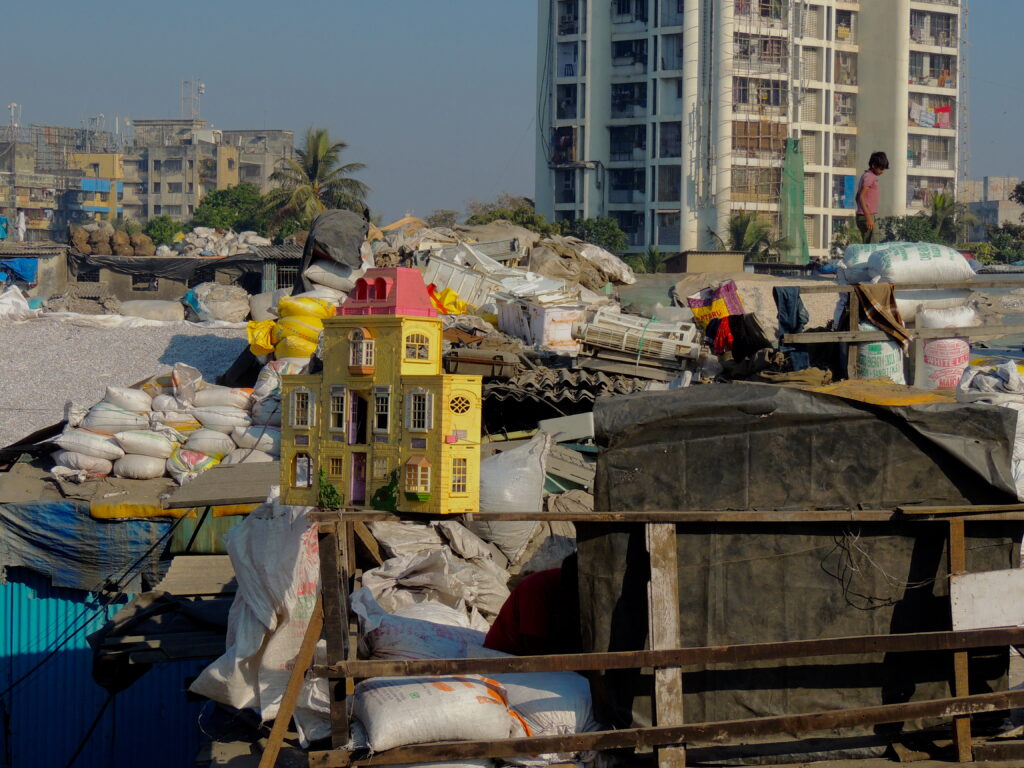
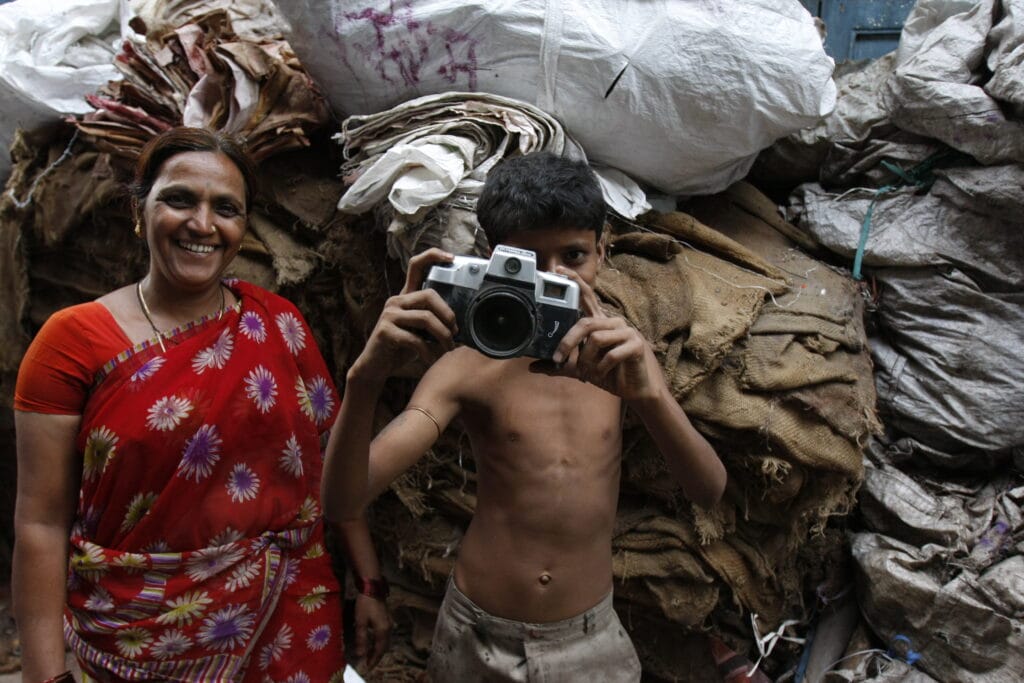
The food is a draw too, from kulfi and pav bhaji to chaat and coastal dishes. A guided Dharavi walk adds a look at the city’s industries and working life. Winter is milder here than in the north, which makes it a good time to explore on foot.
Further north in Gujarat, the Rann of Kutch offers a very different winter experience. The Great Rann is a vast seasonal salt marsh, and the cooler months are associated with visits to the white landscape and the Rann Utsav, a festival featuring regional crafts, music, performances and food.
You can also explore Kutchi textiles and embroidery, visit craft villages around Bhuj, and sample local specialities such as dabeli.
South India: Temple Towns, Tea Plantations and Backwater Journeys
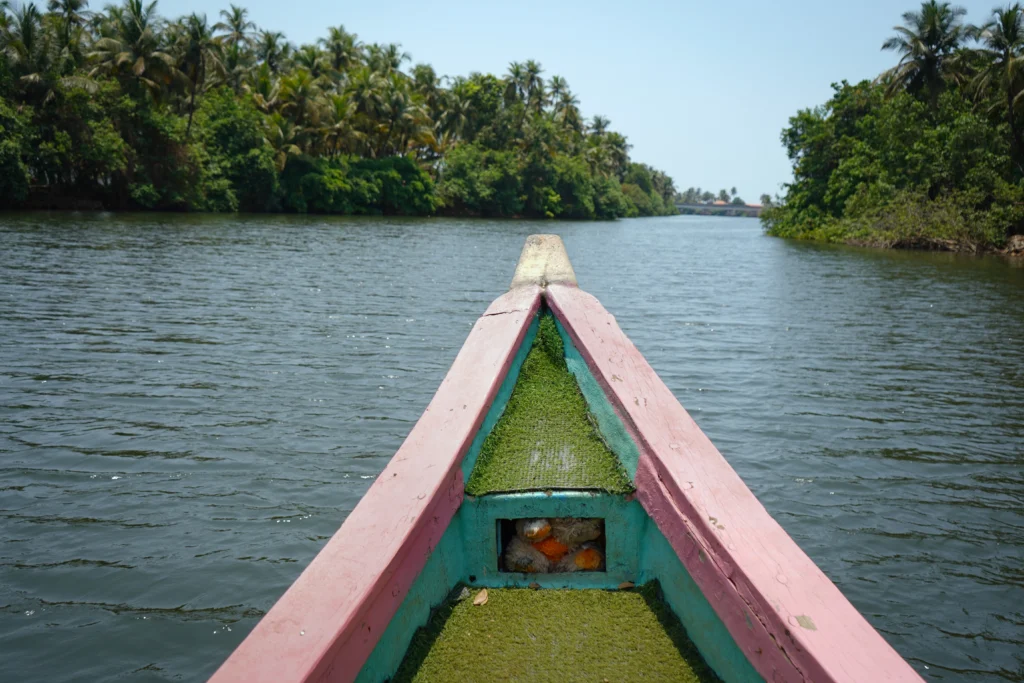
Travellers who prefer milder temperatures may want to explore southern India during winter.
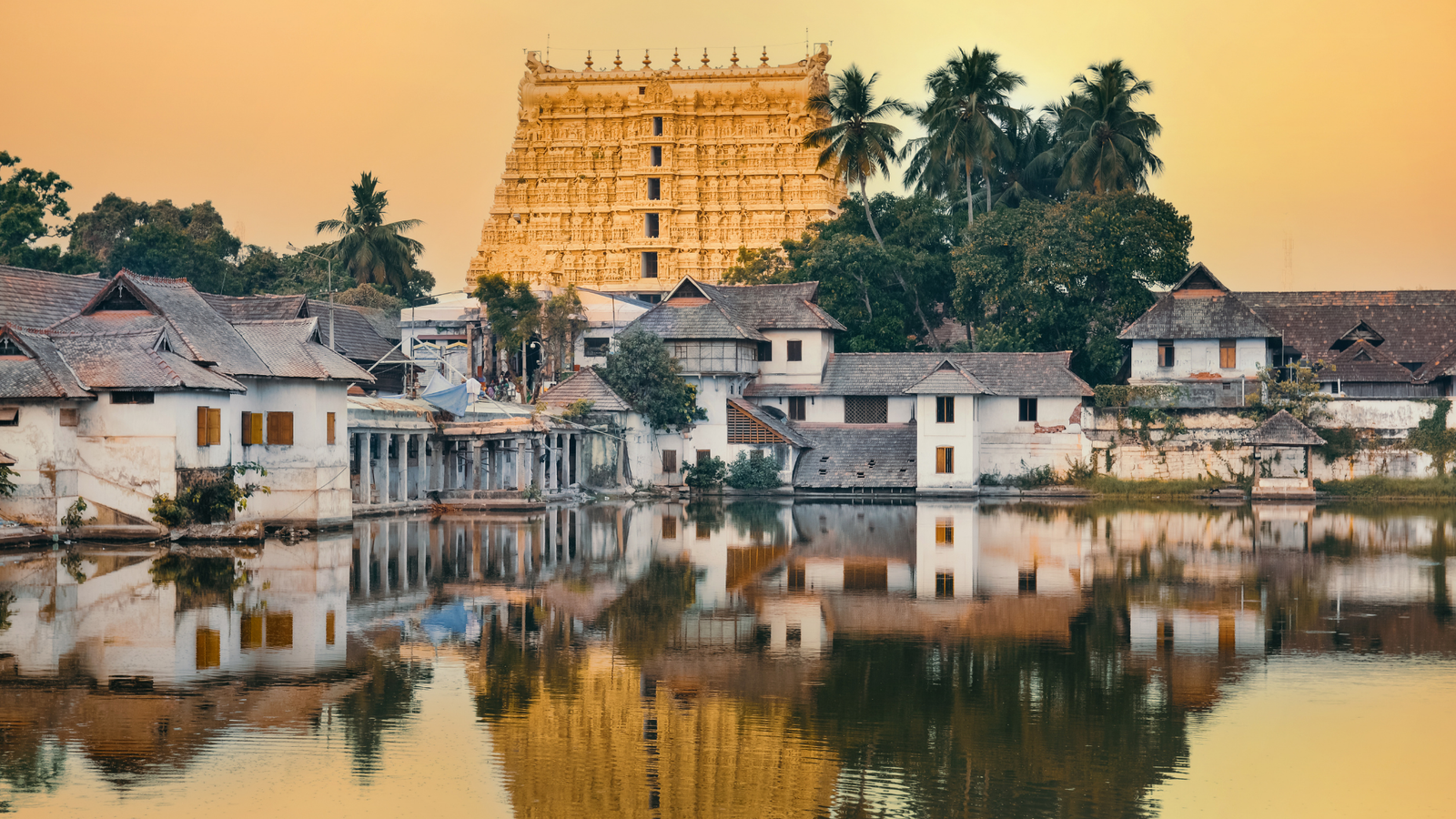
Kerala offers backwaters, tea-growing landscapes, wildlife experiences and coastal destinations. Tamil Nadu is known for its temple architecture and cultural heritage, while Karnataka combines historic cities, coffee-growing regions and scenic coastlines.
Winter is also a popular time to explore parts of coastal Karnataka, where the weather is often favourable for sightseeing and beach visits.
The Himalayas: Snow-Covered Landscapes and Mountain Travel
For travellers hoping to experience snow, the Himalayan region offers a completely different winter holiday.
Gulmarg’s ski season runs from late December to early March, with the best snow from mid-January to late February. Auli’s snow is most reliable in January and early February. In Manali, Rohtang Pass is usually closed from mid-November until spring, so snow-seekers head to Solang Valley instead.
If you’d like a quieter mountain break, our guide to hill stations in North India covers places like Shimla, Manali, Mussoorie and Auli.
Make Your Winter Trip More Specific: Experiences Worth Planning Around
Most winter itineraries are built around famous names. A better method is to pick the experience first, then the place.
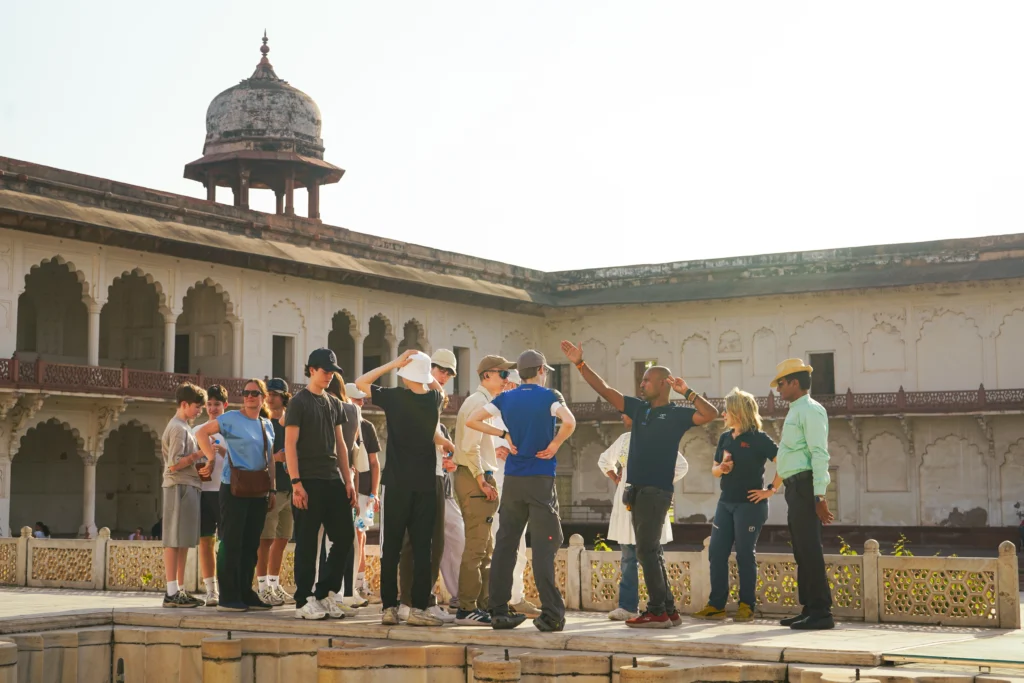
History and architecture: Delhi, Agra and Jaipur in December or January. Fort and palace visits are comfortable during the day, but start early; mornings can be cold and foggy.
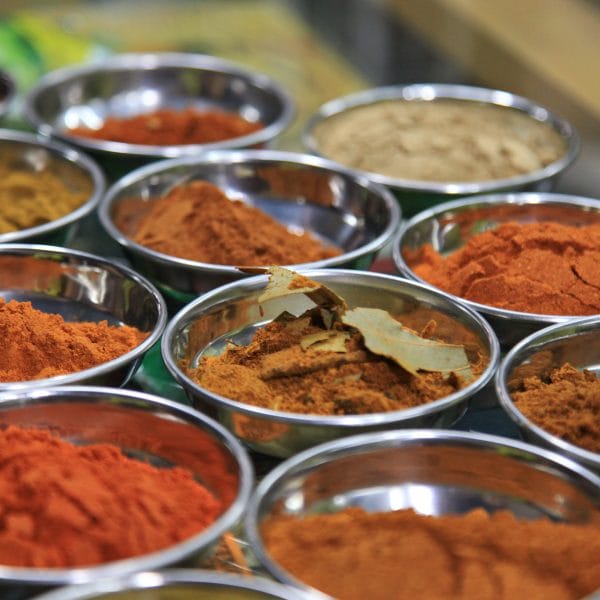
Food and markets: Old Delhi’s lanes, Mumbai’s Crawford Market and Jaipur’s bazaars. Cool evenings suit long walking tours.
Beaches and rest: Goa and Kerala’s coast are at their best from December to February, when it’s warm and generally dry.
Snow and mountains: Gulmarg, Manali or Auli. Snow is most likely in January and February, but road closures happen, so keep spare days.
Wildlife: Ranthambore National Park in Rajasthan is open from October to June, and December to February is the comfortable season for safaris. Tiger sightings are generally better in the hotter months of April to June, so keep winter expectations realistic.
Culture and crafts: Jaipur’s Kite Festival (January), the Rann Utsav in Kutch, and Pongal in Tamil Nadu. Confirm dates each year.
Pick two or three that sit well together. A trip built around two experiences usually feels better than one built around six.
What Winter Travel in India Is Really Like
Travel guides often describe winter as a comfortable time to explore India, but there are a few practical realities to keep in mind.
Cold mornings and evenings: In Delhi, Agra and parts of Rajasthan, temperatures can feel very different after sunset compared with the middle of the day. Early starts for sightseeing may require warm clothing, even when afternoons are sunny.
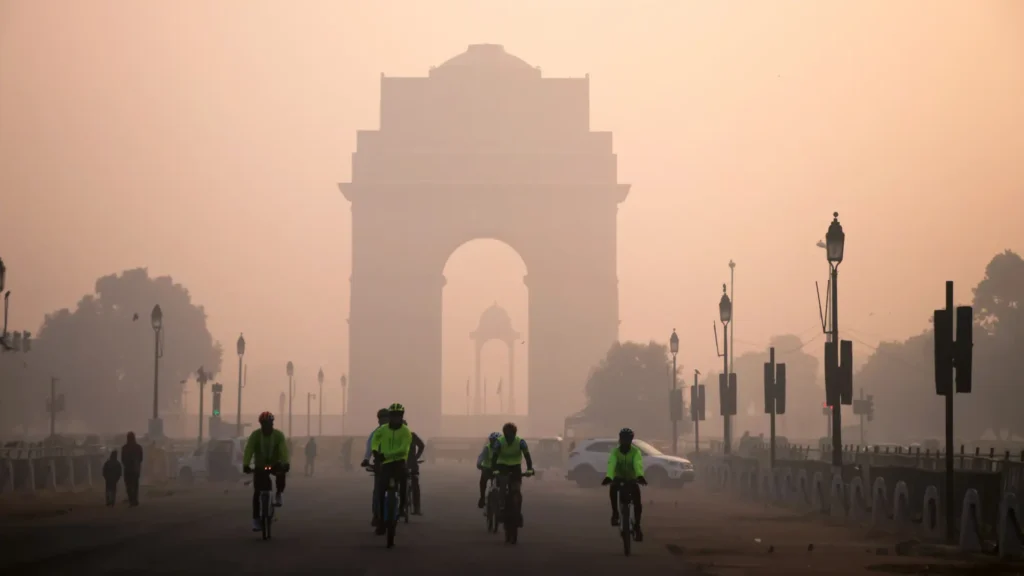
Fog and transport disruptions: Dense fog can affect northern India during winter, particularly in December and January. Flights, trains and road journeys may be delayed, so avoid planning an essential connection immediately after a tight transfer.
Peak-season demand: Popular destinations can become busy around Christmas, New Year and major festivals. Accommodation, transport and guided experiences may have higher demand.
Regional rainfall: Tamil Nadu and parts of the south can get northeast monsoon rain between October and December, so check the forecast if you travel early in the season.
Mountain conditions: Snowfall can affect roads, access, and outdoor activities in Himalayan areas. If your trip depends on a particular experience, such as skiing or seeing fresh snow, check conditions shortly before departure.
Air quality: Some northern cities can experience poor air quality during winter. If this is a concern for you, check local air-quality information close to your travel dates and plan accordingly.
These considerations don’t make winter a bad time to visit India. They simply help you prepare for the realities of travelling across a large and climatically diverse country.
Planning Your Winter Itinerary
Once you know where you want to go, focus on making the journey between destinations manageable.
Fewer places, more time: For a first visit, seven to ten days is enough for Delhi, Agra and Jaipur at a comfortable pace. Adding distant regions mostly adds time in transit, so pick the experiences that matter most and build a realistic route around them.
Use Mumbai strategically: If Mumbai is your arrival point or a connection for another domestic destination, consider spending a day or two there if your schedule allows. It can be a useful introduction to India’s urban life before you continue elsewhere.
Book popular experiences in advance: Winter is a busy period for many major destinations. Reserve important transport and accommodation early, particularly around the holiday season and festivals.
Allow for weather-related changes: Leave some flexibility around flights, trains and road journeys in northern India. For mountain travel, check conditions and access routes before setting out.
Plan around festivals carefully: Festival dates change every year and the format can too. If the Jaipur Kite Festival, the Jaisalmer Desert Festival, the Bikaner Camel Festival, or the Rann Utsav is a priority, confirm the dates for your travel year before booking. For the Rann Utsav, also check its operating dates and how access to the site is arranged.
What to Pack for a Winter Trip to India

Pack for your route, not for one national climate.
North India and Rajasthan: Layers you can add or remove through the day, a warm jacket, and closed shoes. Delhi nights in January average around 7°C, and desert nights in Jaisalmer fall to around 5–9°C.
Mumbai, Goa and the south: Light clothing, plus a thin layer for cooler evenings and air-conditioned spaces.
Himalayas: Thermals, an insulated jacket, gloves and waterproof boots. Ordinary winter wear won’t be enough for snow.
Everywhere: Comfortable walking shoes, sun protection and a reusable water bottle.
If your route mixes north and south, pack layers instead of one heavy coat.
So, Is Winter the Best Time to Visit India?
For many travellers, yes. Sightseeing is more comfortable in the north and Rajasthan than in summer, the south suits temples and coastline, and the Himalayas offer snow. But the answer depends on where and when you go. Delhi in January and Kerala in January are very different trips.
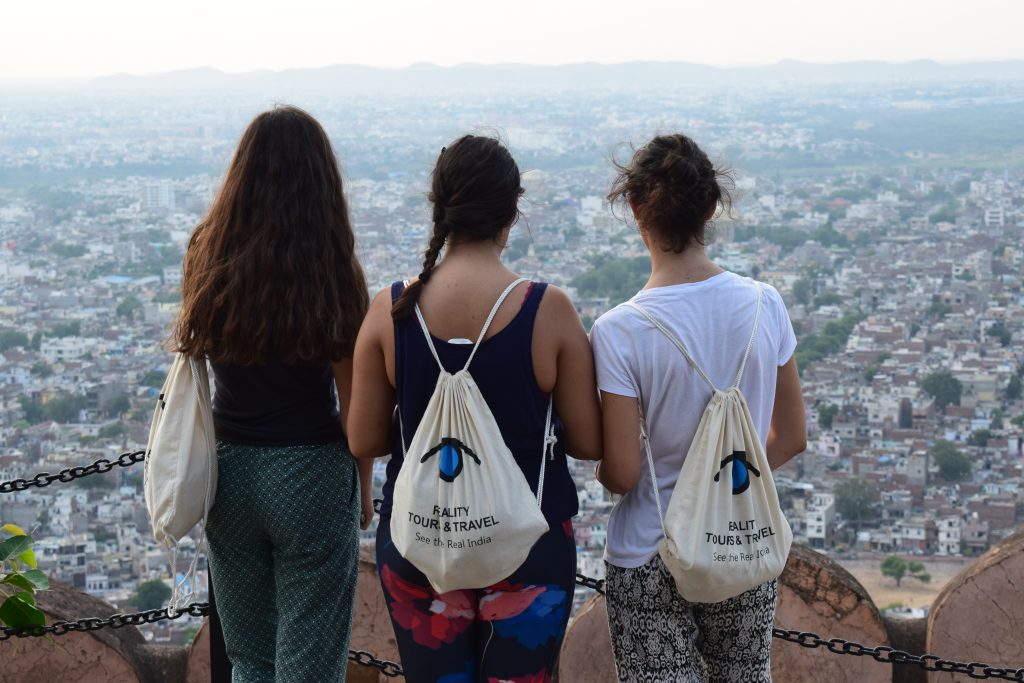
If Mumbai, Delhi or Rajasthan are on your route, a local guide can help you understand the neighbourhoods, markets and history behind what you’re seeing. Reality Tours & Travel runs guided experiences across these regions.
Choose your region and month first. The rest of the plan gets easier from there.