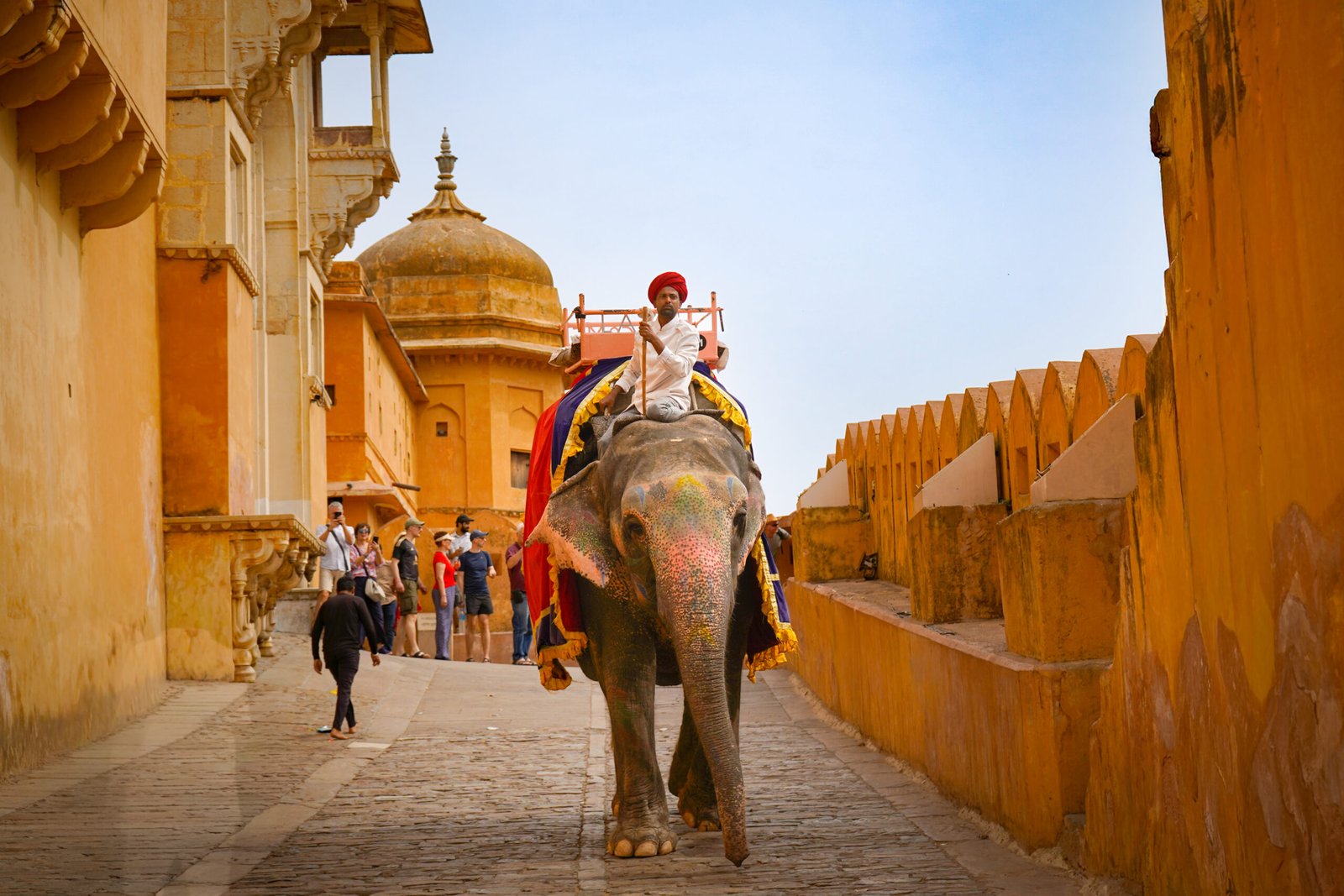
Rajasthan is India’s largest state by area, and its forts are a big reason people visit. Six forts, including Amber Fort near Jaipur and Jaisalmer Fort, make up the UNESCO World Heritage-listed Hill Forts of Rajasthan. These fortifications reflect the military power, architecture and courtly culture of the region’s former Rajput kingdoms.
Most first-time visitors start with Jaipur, Jodhpur and Udaipur: Jaipur for its old-city bazaars and palaces, Jodhpur for Mehrangarh Fort and the blue-painted old town, and Udaipur for its lakes.
The three cities sit along one route, so they work well together. This post covers what to see in each, which other places fit along the way, and how to plan your Rajasthan itinerary, whether you’re booking a dedicated Rajasthan holiday or adding a few days to a wider India itinerary.
Jaipur: Explore the Pink City
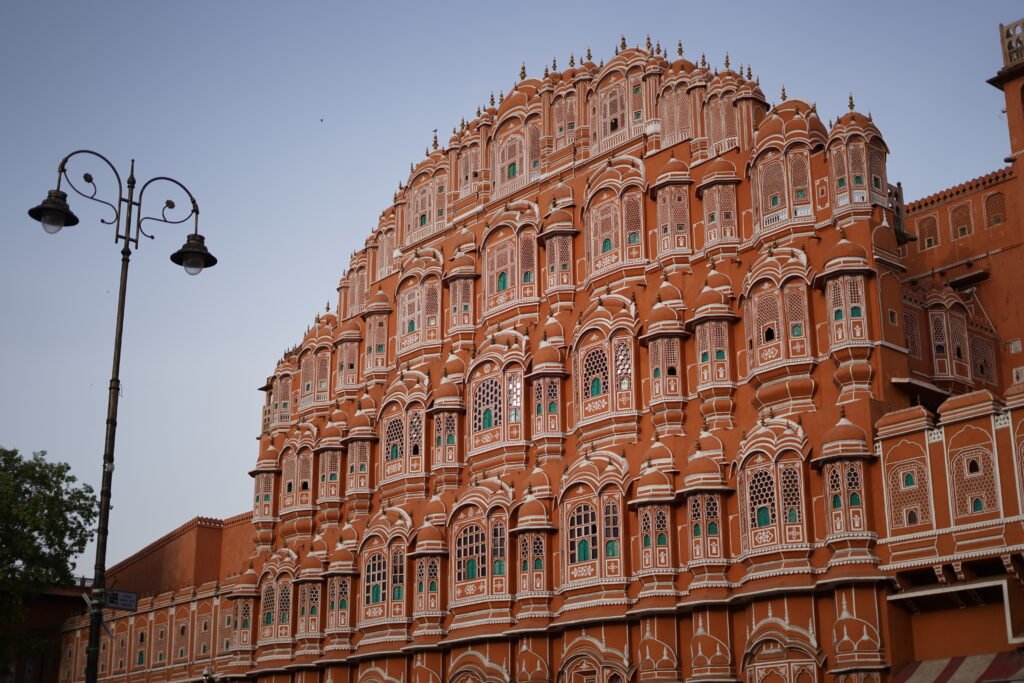
Jaipur was founded in 1727 by Maharaja Sawai Jai Singh II, and its old walled city is a UNESCO World Heritage Site. The pink colour associated with its nickname dates from 1876, when buildings in the old quarter were painted for a royal visit.
Start with Amber Fort, on a hill outside the city. It was the Kachwaha rulers’ capital before Jaipur was built, and you walk through its courtyards and halls to reach views over the valley.
In the city, Hawa Mahal is worth a stop for its façade alone, which has 953 small windows. The City Palace is still partly a royal residence, with the rest open as a museum. Jantar Mantar, an 18th-century observatory also on the UNESCO list, has stone instruments built to measure time and track the stars, including a sundial that stands about 27 metres tall.
For shopping, Bapu Bazaar is the usual choice for textiles, leather footwear (juttis) and handicrafts. It’s also a good place to see Jaipur at work, as the shops are mostly run by local families and traders.
If you have an evening free, Raj Mandir is a single-screen cinema that opened in 1976 and is known for its interior. Check the current showtimes and booking process before you go.
Planning a single day here? Our one-day Jaipur itinerary shows how to fit the main sights into one day.
Jodhpur: Discover the Blue City
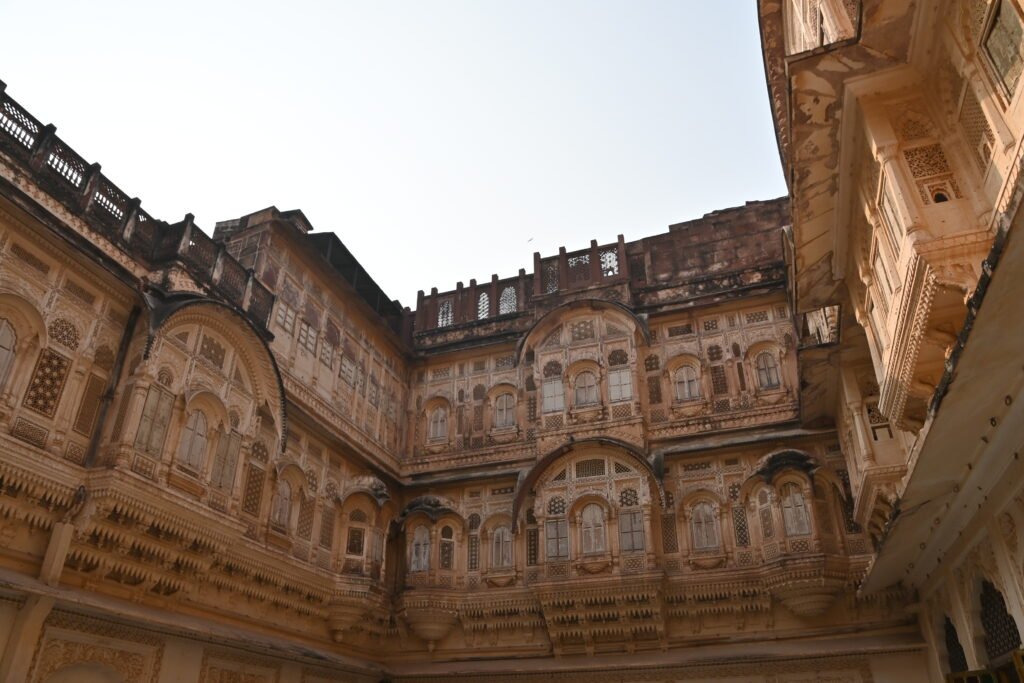
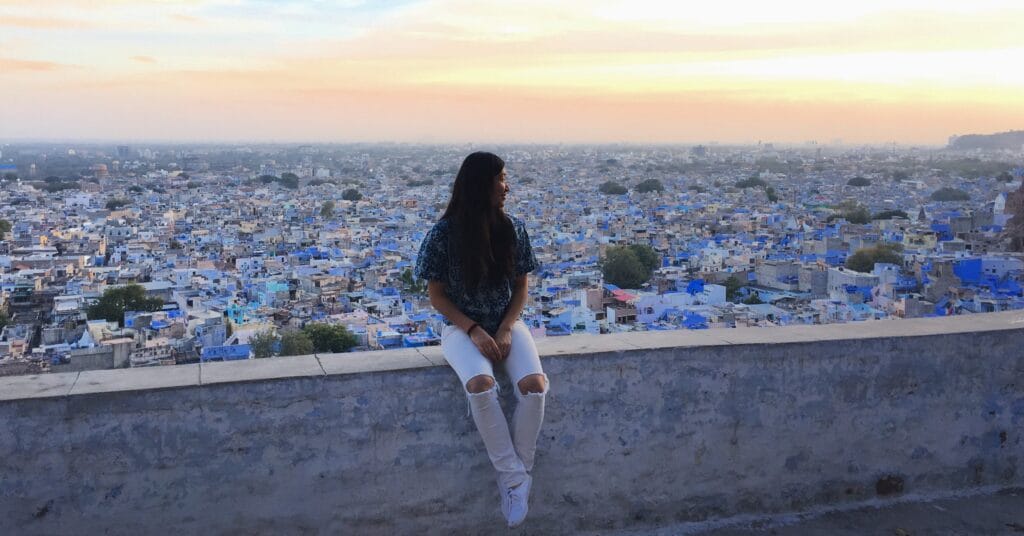
Jodhpur is famous for its blue-painted houses, winding old-city lanes and the imposing Mehrangarh Fort overlooking the city.
Start at Mehrangarh. Its museum holds royal palanquins, weapons, paintings and textiles, and the ramparts look down over the blue lanes.
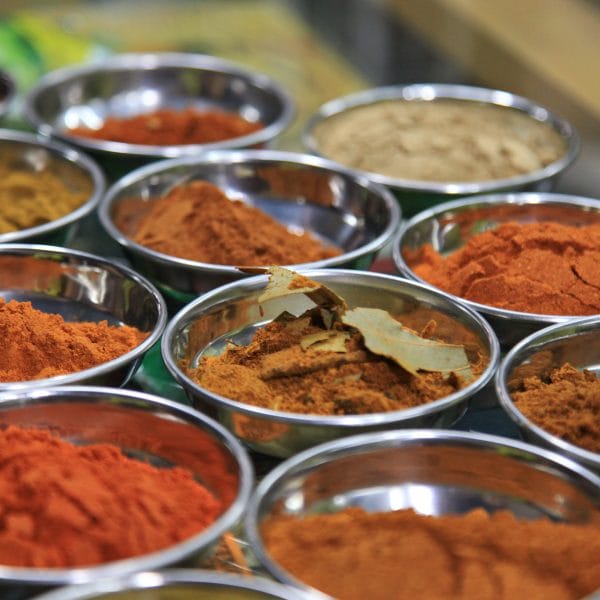
From there, walk down into the old city. The Clock Tower and Sardar Market sit at its centre, with spice, textile and handicraft stalls around them. It’s compact enough to cover on foot, and the lanes are where you’ll see the blue houses up close.
Jodhpur has its own snacks among Rajasthani cuisine. Look for mirchi bada (a chilli fritter) and makhaniya lassi. For a sit-down meal, try a Rajasthani thali with breads, lentils, and vegetables. Several rooftop restaurants in the old city face the fort, and it’s lit up after dark.
If you have more time, visit Umaid Bhawan Palace. Completed in 1943 after about 15 years of construction, it serves as a residence for the Jodhpur royal family, while another section operates as a hotel and a museum displays royal collections.
Udaipur: Experience the City of Lakes
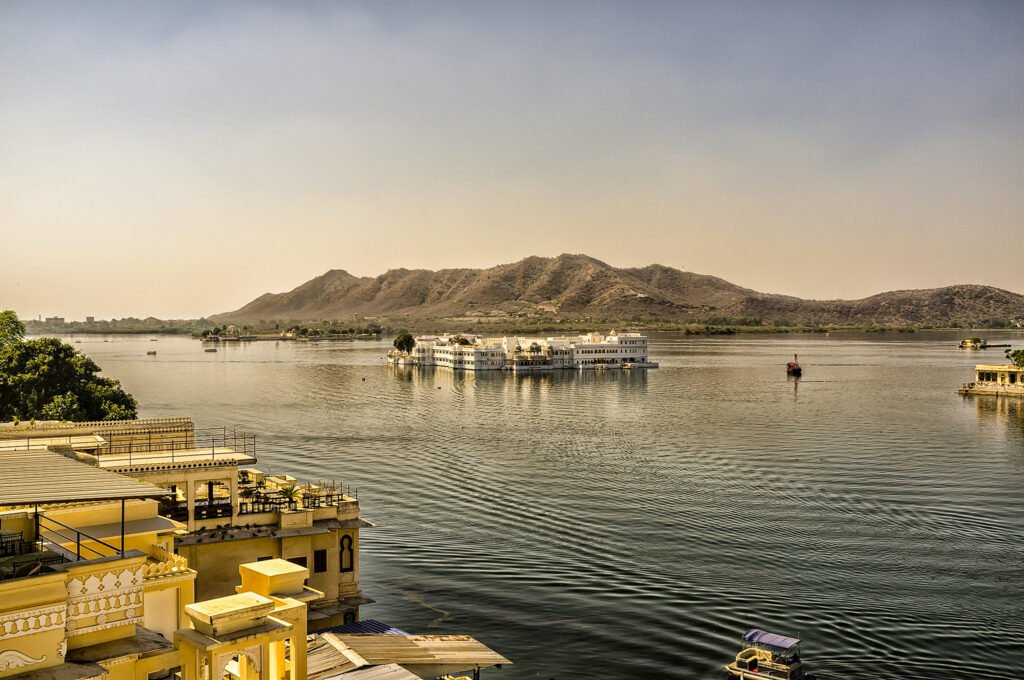
Udaipur is built around its lakes. Lake Pichola runs alongside the City Palace, and the old city’s lanes climb up from the waterfront, lined with small shops, cafés and rooftop restaurants.
A boat ride on Lake Pichola offers views of the City Palace waterfront, the ghats and the lake’s island palaces, including Jag Mandir. Check the departure point and operating times when planning your visit, as services and schedules can vary.
The City Palace is partly a royal residence, and the rest is open as a museum. A short walk away, Jagdish Temple is a Vishnu temple built in 1651, with carved stonework on its exterior and a flight of steps leading up from the street.
If you’d rather learn something hands-on, a cooking class is a good option. Classes usually cover chai, pakoras, chapatis, and curry, and most run for a few hours.
In the evening, Bagore Ki Haveli hosts a Rajasthani folk dance show, and lakeside restaurants are a great place for dinner. If you’d rather be outdoors, cycling around Fateh Sagar Lake is another option.
Other Places to Explore in Rajasthan
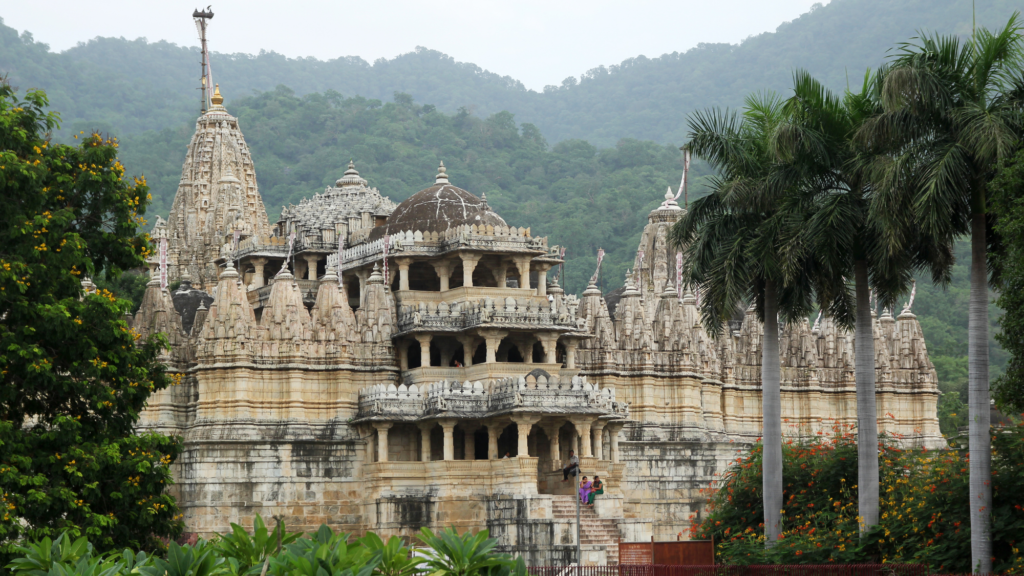
If you have more time, these five fit along or just off the Jaipur, Jodhpur and Udaipur route. They’re listed in the order you’d reach them.
Pushkar
A small town built around a sacred lake, on the road between Jaipur and Jodhpur. Its Brahma Temple is one of the very few in India dedicated to Brahma. The ghats and market lanes are easy to cover on foot.
Ranakpur
Between Jodhpur and Udaipur, it works as a stop on that drive. The 15th-century Adinath Jain Temple is built of white marble and held up by more than 1,400 carved pillars.
Chittorgarh
A few hours’ drive from Udaipur. Chittorgarh Fort is one of Rajasthan’s UNESCO-listed hill forts, and it covers a large hilltop, so allow time to walk it. Its palaces, temples, and the Vijay Stambh (Victory Tower) are the main stops.
Jaisalmer
The Golden City, a long drive west of Jodhpur. Its sandstone fort is UNESCO-listed, and people still live inside its walls. The Thar Desert dunes near Sam are where many visitors do an overnight desert camp.
Bikaner
To the north, also a long drive from Jodhpur. Junagarh Fort stands on flat ground rather than on a hill, unlike most Rajasthan forts. Bikaner is also known for Bikaneri bhujia, a spiced gram flour snack.
These destinations don’t all fall on the same route. Pushkar can be added as a detour between Jaipur and Jodhpur, while Ranakpur is worth considering on the journey between Jodhpur and Udaipur. Chittorgarh makes a possible extension from Udaipur. Jaisalmer and Bikaner are farther from the main route and are better considered when you have additional days.
Planning Your Rajasthan Itinerary
How many days
For Jaipur, Jodhpur and Udaipur, plan 6 to 7 days: two nights in Jaipur, one or two in Jodhpur and two in Udaipur, plus time on the road. Adding Pushkar, Ranakpur or Chittorgarh usually means one or two extra days. Jaisalmer or Bikaner each need two to three more days, because of the distances.
The usual route
Most visitors fly into Delhi, then travel from Delhi to Jaipur to Jodhpur to Udaipur. If you’re starting in Delhi, our Golden Triangle itinerary covers the Delhi to Jaipur leg.
Getting between cities
Each leg between these cities takes roughly 5 to 6 hours by road, and trains also connect them. Timings vary by route, service, and traffic, so check current schedules before you book.
When to go
November to February is the most comfortable stretch, with warm days and cool evenings. October and March are still warm. Between April and June, daytime temperatures are very high, so most sightseeing is best done early in the morning or late in the afternoon.
What to wear
At temples, cover your shoulders and knees, and expect to remove your shoes before entering.
Don’t over-plan
Aim for one major sight in the morning and a lighter activity in the afternoon, such as a market walk or a long lunch. The drives between cities take up much of a day, so the days you travel are better kept light.
Explore Rajasthan at Your Own Pace
Rajasthan’s main cities are several hours apart by road, so how you divide your days matters more than how many sights you fit in. Some travellers prefer two nights in each city, while others spend longer in one place and skip another.
Looking at how differently they split their time between cities is a useful way to work out which balance suits you.
If you’d like help splitting your days across cities, plan your Rajasthan trip with us or explore our Rajasthan tour packages.