


Key Takeaways
- The British East India Company built the Fort area as a fortified town between 1686 and 1743 to defend Bombay from attacks.
- Massive stone walls protected the settlement, and people entered through 3 main gates: Church Gate, Bazaar Gate, and Apollo Gate.
- People named the area “Fort” after the defensive walls that once surrounded the earlier town of Bombay.
- In 1862, the governor, Sir Bartle Frere, ordered workers to demolish the walls to allow the rapidly growing city to expand.
- The walls no longer exist today, but their history still remains in names like Church Gate and in South Mumbai’s layout.
- Today, the Fort district is famous for its colonial architecture and heritage landmarks like the Asiatic Society building, Flora Fountain, and Chhatrapati Shivaji Maharaj Terminus.
TL;DR
The mesmerizing Golden Triangle Indian tourist circuit takes you through three iconic locations. Begin your exciting journey and head to Delhi and Agra, where you will witness both imperial legacy and a touch of modern national identity. After a soulful tour, head to Jaipur, which boasts royal forts and lively markets. Here you can explore northern India’s history, art, and culture, and soak it all in. From marble monuments in the morning to bustling bazaars at night, these streets have something for everyone. This journey is one of the easiest and most interesting ways for you to get a glimpse into Indian culture.
Introduction
Planning to visit India for the first time but unsure where to go? The Golden Triangle Tour Itinerary is a must-visit when in India. Explore our guide to know more.
The Golden Triangle is one of the most popular tourist circuits in India for a good reason. This route links you to three major cities in northern India- Delhi, Agra, and Jaipur. Together, these cities are an ultimate getaway into the remarkable blend of Mughal heritage and Rajasthani regal culture.
You can witness the famous landmarks, magnificent architecture, royal palaces, and vibrant markets. The diverse cuisine is sure to blow your mind, in addition to experiencing traditions that make India unique.
If you are looking to experience the vibe of Indian culture and history in a short time, the Golden Triangle is the perfect introduction. This blog presents flexible 4–7 days itinerary options so you can choose a schedule that suits your time and travel style.
What Is the Golden Triangle Route?
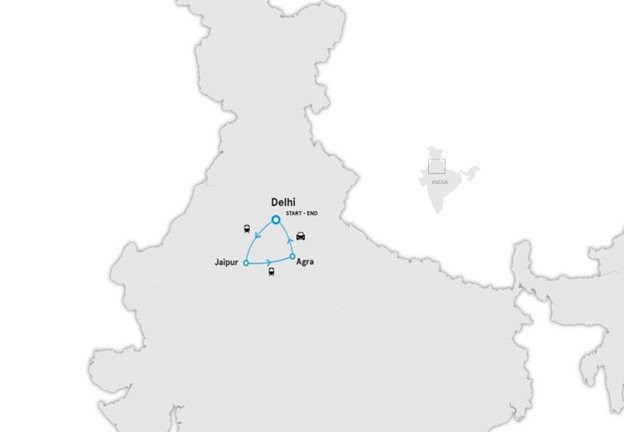
The Golden Triangle connects Delhi, Agra, and Jaipur, covering approximately 720 kilometres. When viewed on a map, these three northern cities form a triangle, giving the route its name. Travel between these cities usually takes three to five hours depending on traffic, and they are connected by good highways and train routes. Each destination offers a unique experience.
Major Highlights in Each City
DELHI | AGRA | JAIPUR |
|
|
|
Golden Triangle Travel Duration: Choosing the Right Itinerary
One of the best aspects of the Golden Triangle tour is the freedom that it gives travellers. You can plan your trip according to the time you have available. Different durations offer different experiences. You can arrange a 4-day tour, but 6-7 days is best for comfort.
- 4-day trip: Quickly covers the major highlights of the cities.
- 5–6 day trip: Offers you a more balanced exploration. It gives you time to visit local markets and enjoy regional cuisine.
- 7-day trip: This is the most relaxed and immersive option. You can explore neighbourhoods, learn about local culture, and enjoy the atmosphere of each destination in greater depth.
If time permits, you can also add more stops to nearby places like Ranthambore National Park.
4-Day Golden Triangle Itinerary
If you have limited time but still want to visit the major attractions, a 4-day itinerary is ideal.
- Day 1: Arrival in Delhi
The central location of Delhi makes it easily accessible by air, train, or road. After arrival, you check into your hotel and refresh.
Start by exploring Old Delhi. You can take a rickshaw ride through the bustling lanes of Chandni Chowk and visit Jama Masjid. Then, continue towards the Red Fort area and end the evening near India Gate.
- Day 2: Delhi to Agra
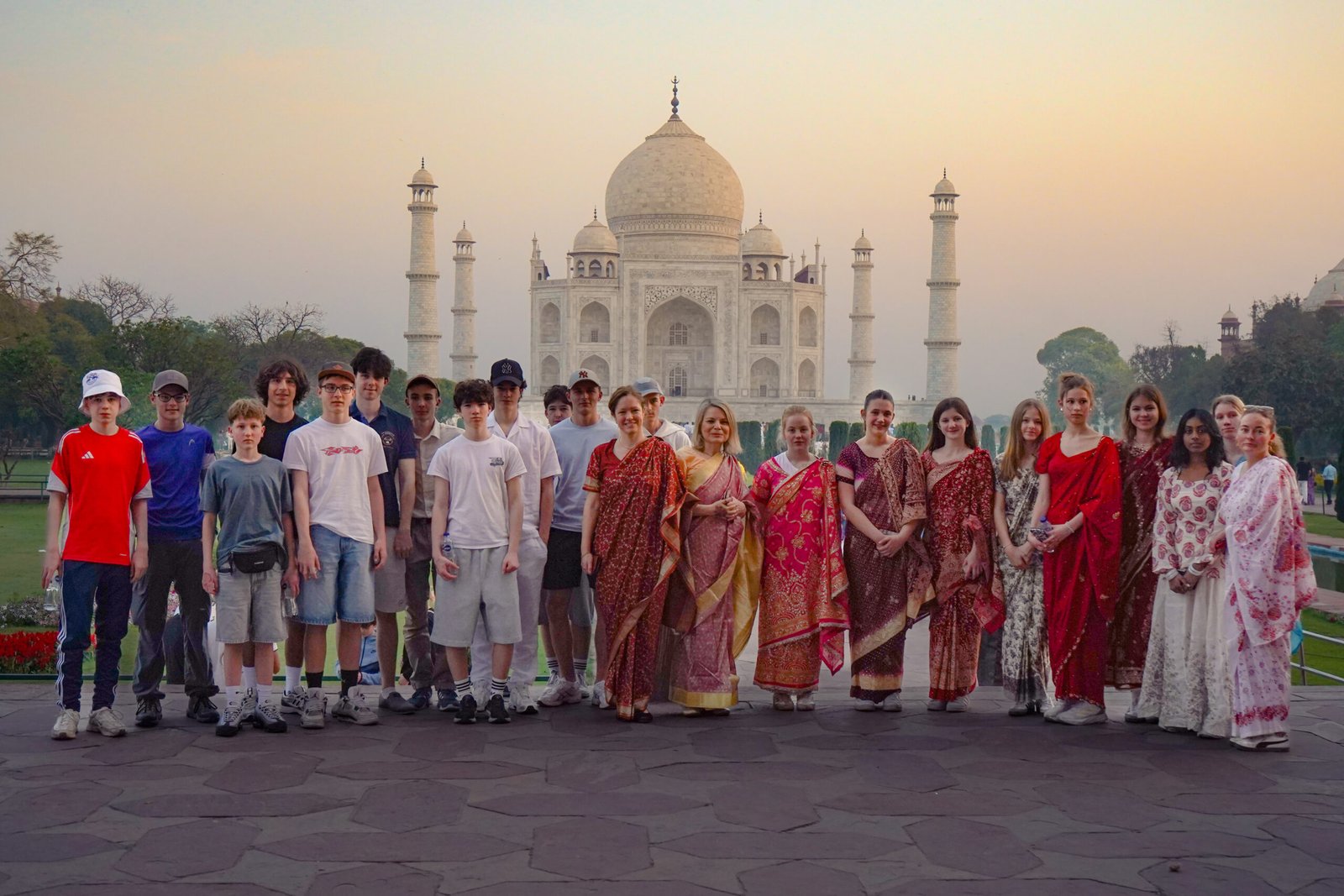
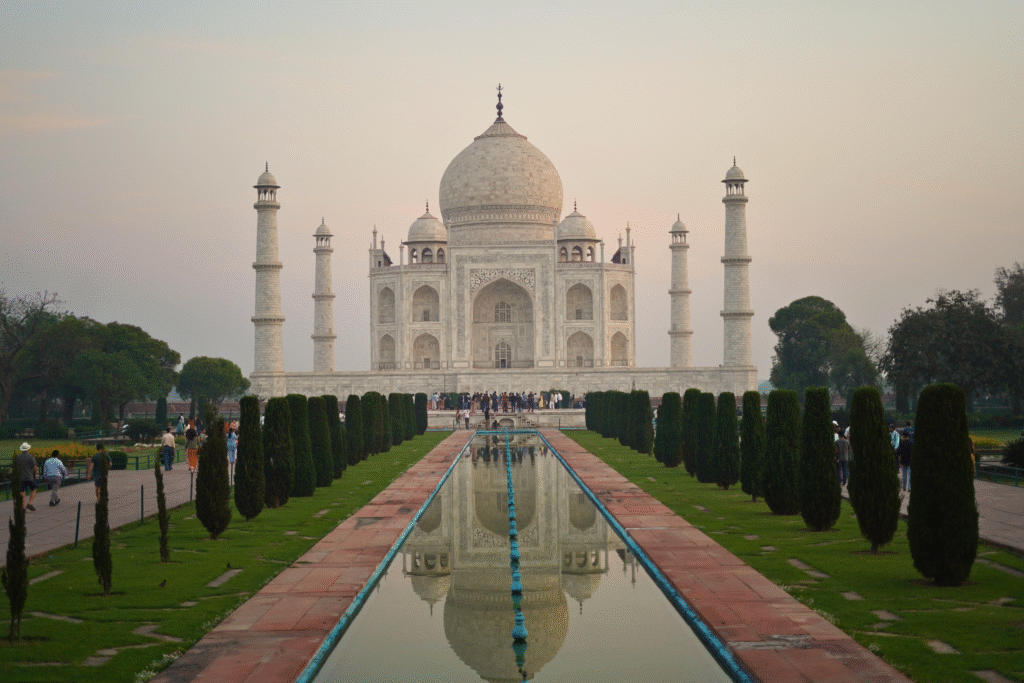
The next day, start the morning by visiting Qutub Minar and Humayun’s Tomb, two of Delhi’s most important historical monuments. After lunch, begin your journey to Agra. In the evening, visit the Taj Mahal during sunset, when the monument glows beautifully in the soft evening light. If you plan to visit during peak tourist season, you can also book your tickets online to avoid standing in long queues.
Overnight stay in Agra.
- Day 3: Agra to Jaipur
Wake up early to witness the sunrise view of the Taj Mahal. Afterwards, visit Agra Fort. On the way to Jaipur, stop at Fatehpur Sikri, the historic Mughal city built by Emperor Akbar.
Reach Jaipur by evening and admire the iconic Hawa Mahal.
- Day 4: Jaipur to Delhi
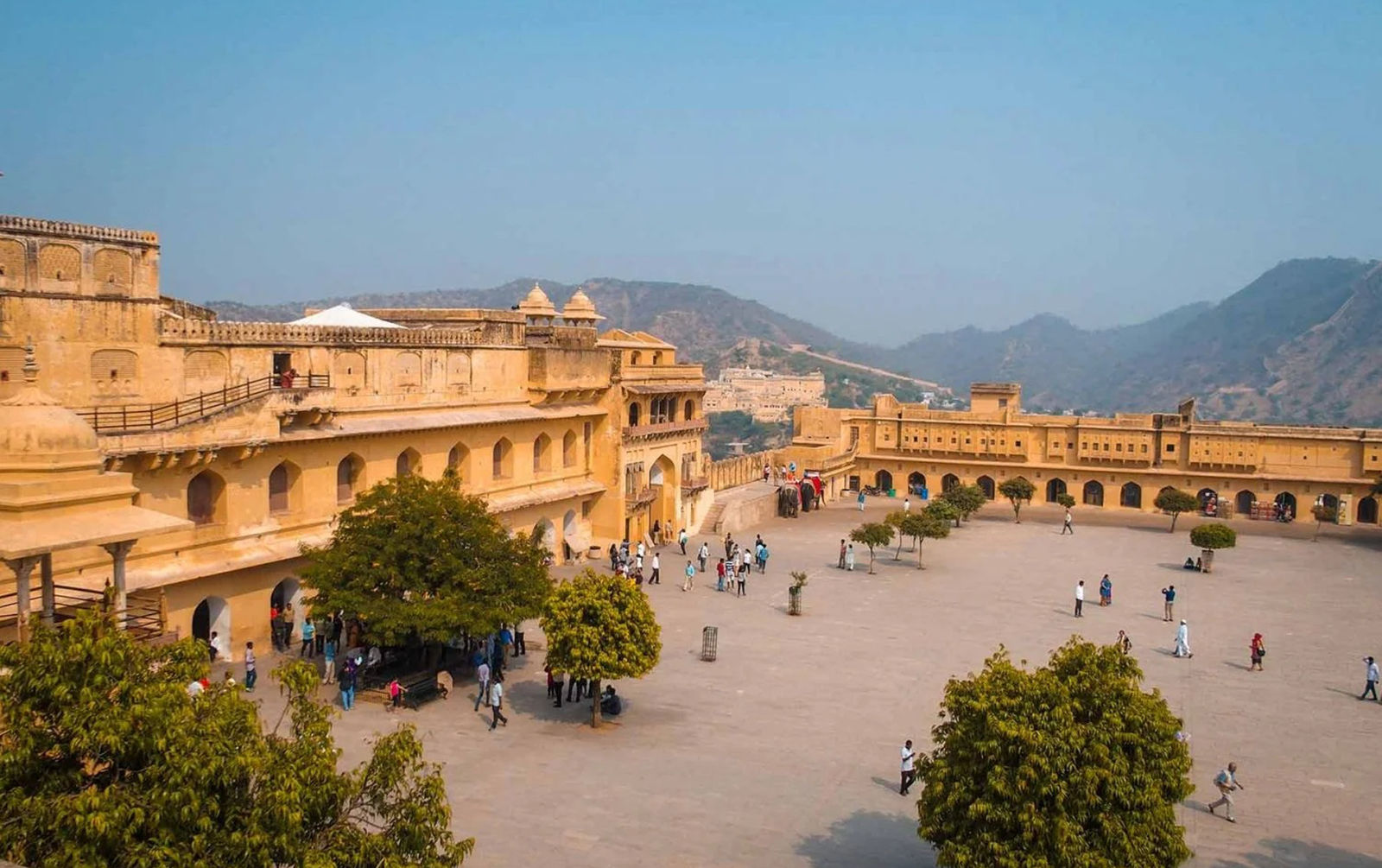
On the fourth day, begin the day with a visit to Amber Fort, located on a hilltop. This location offers spectacular views of the surrounding landscape. Later, you can explore Jantar Mantar and the City Palace.
After sightseeing, drive back to Delhi.
5-Day Golden Triangle Itinerary
A five-day itinerary allows you to explore each destination more comfortably.
- Day 1: Delhi
Start your journey in Old Delhi with a visit to Jama Masjid and enjoy a rickshaw ride through Chandni Chowk. Later, explore New Delhi, including landmarks such as the Lotus Temple and the Rashtrapati Bhavan.
- Day 2: Delhi to Jaipur
The next day, you can drive from Delhi to Jaipur. After arrival, visit Hawa Mahal and spend the evening exploring Jaipur’s colourful local bazaars.
- Day 3: Jaipur
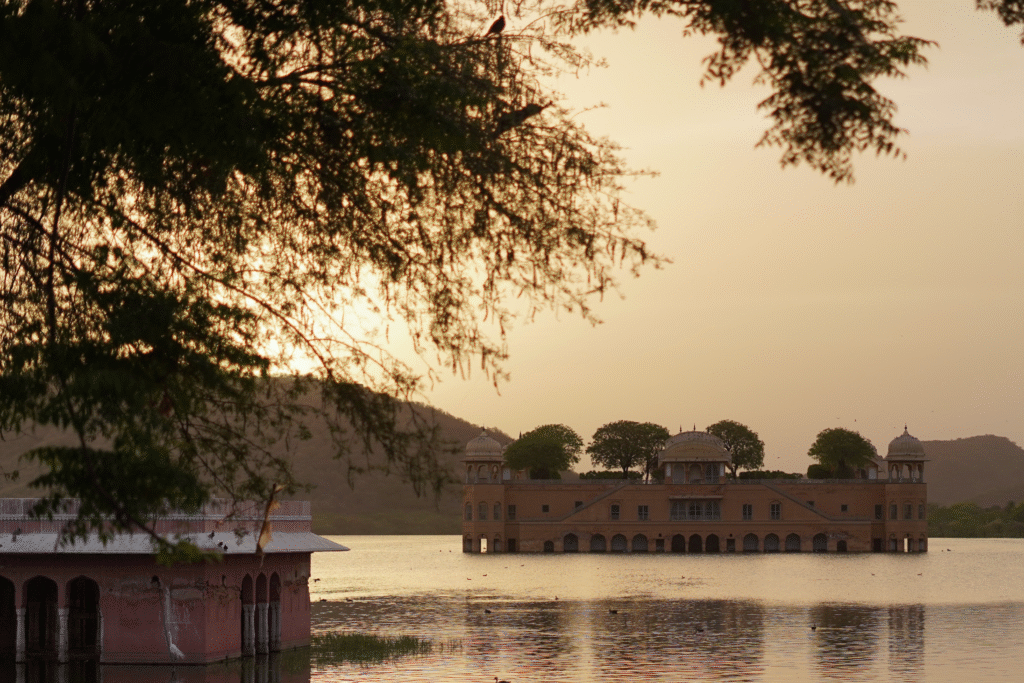
Spend the day exploring Jaipur’s major attractions, including Amber Fort, Jal Mahal, City Palace, and Jantar Mantar. Later, visit Johari Bazaar, famous for jewellery and traditional Rajasthani crafts.
- Day 4: Jaipur to Agra
On your way to Agra, stop at Fatehpur Sikri along the way. In Agra, visit the Taj Mahal at sunset and explore the majestic Agra Fort.
- Day 5: Agra to Delhi
Start your day at Mehtab Bagh, which offers a peaceful view of the Taj Mahal across the Yamuna River. After exploring Agra, return to Delhi.
6-Day Golden Triangle Itinerary
If you want to explore Delhi and Agra in depth, plan for a six-day itinerary tour.
- Day 1 & Day 2: Delhi
Spend the first day exploring Old Delhi’s historic streets, markets, and a local Gurudwara. On the second day, visit Qutub Minar, Lotus Temple, and some of Delhi’s vibrant local markets.
- Day 3: Delhi to Agra
Travel to Agra and visit the Taj Mahal. Later, explore Agra Fort, where you can learn about the history of the Mughal Empire.
- Day 4: Agra to Jaipur
Drive to Jaipur, stopping at Fatehpur Sikri on the way. Arrive in Jaipur in the evening and enjoy views of the beautifully illuminated palaces.
- Day 5: Jaipur
Visit Amber Fort, Jal Mahal, Hawa Mahal, and the City Palace. Later, explore Jantar Mantar, famous for its historic astronomical instruments.
- Day 6: Jaipur to Delhi
Spend the morning exploring Jaipur’s local markets before returning to Delhi.
7-Day Golden Triangle Itinerary (Most Popular Option)
A 7-day itinerary is the most popular option if you want to explore each destination without rushing.
- Day 1 & Day 2: Delhi
Arrive in Delhi and visit the India Gate and the Rashtrapati Bhavan. The next day, you can explore Red Fort, Jama Masjid, Humayun’s Tomb, and the lively lanes of Chandni Chowk.
- Day 3: Delhi to Agra
Drive to Agra and visit the Taj Mahal at sunset. End the evening at Mehtab Bagh for another beautiful view of the monument.
- Day 4: Agra
Start your morning with sunrise at the Taj Mahal. Later you can visit Agra Fort and Itimad-ud-Daulah, often called the Baby Taj.
- Day 5: Agra to Jaipur
Travel to Jaipur, stopping at Fatehpur Sikri along the way. You can also visit the impressive Abhaneri Stepwell.
- Day 6: Jaipur
Explore Amber Fort, City Palace, Jantar Mantar, and Hawa Mahal.
- Day 7: Jaipur and Return to Delhi
Spend time exploring Jaipur’s markets for handicrafts and textiles before driving back to Delhi.
If you are planning this journey on a limited budget, you can also explore some budget-friendly Golden Triangle travel tips to help plan your trip more efficiently.

Best Time to Visit the Golden Triangle
If you want to see the Golden Triangle, the best time to go is in the winter, from October to March. The weather is nice and perfect for sightseeing at this time of year.
- Winter (October–March): The most pleasant time to go because of the mild weather.
- Summer (April to June): The temperature is very hot, and there are fewer tourists.
- Monsoon season (July to September): The landscape becomes verdant, and transport prices are usually reduced.
Private vs Group Golden Triangle Tour
The Golden Triangle Tour also lets you choose the best ways to get around. Usually, you can choose between a private tour and a trip with a group. The following table will help you to understand the advantages and disadvantages of both tours:
Feature | Private Tour | Group Tour |
Flexibility | Provides greater flexibility, allowing you to move at your own pace | Less flexibility |
Itinerary | Can be customized according to your interests | Fixed schedule |
Guide & Transport | Often includes personal guides and comfortable transportation | Shared guide and transportation |
Cost | Usually more expensive | More affordable |
Social Experience | More personal and private experience | Allows travellers to meet people from different countries |
If you are travelling with family or seeking privacy and customisation, private tours are often the preferred option.
Can You Customise Your Golden Triangle Itinerary?
Yes, the Golden Triangle itinerary can easily be extended if you have additional days. Some popular extensions include:
- Ranthambore National Park – famous for tiger safaris
- Varanasi – one of the most spiritual cities in India
- Udaipur – known for its romantic lakes and palaces
- Amritsar – home to the Golden Temple
- Shimla – a scenic hill station near Delhi
You can easily access these places from Delhi by air, train, and road, and as a result, these are ideal additions to your Golden Triangle itinerary.
If you want to go beyond monuments and sightseeing, you can also explore some cultural experiences in the Golden Triangle that offer a deeper look into local traditions, food, and everyday life in these cities.

Conclusion
The Golden Triangle is one of the best ways to see India’s heritage. From the old streets of Delhi to the timeless beauty of the Taj Mahal in Agra and the royal charm of Jaipur, each place shows a different part of India’s history.
Whether you choose a short four-day trip or a longer seven-day trip, a well-planned itinerary will guide you through sights and cultural experiences you will never forget. At Reality Tours and Travel, we can help you tailor your journey with our Golden Triangle tour packages, ensuring a smooth, fun, and truly unique trip across Delhi, Agra, and Jaipur. Contact us if you’re planning a trip to the Golden Triangle Circuit!
FAQs
The "golden triangle" itinerary often visits monuments, forts, and cultural attractions in Delhi, Agra, and Jaipur. Sometimes, golden triangle India tours include hotel stays, transportation, and guided walks.
Yes, a Golden Triangle package is great for first-time visitors who want to learn about India’s history and culture. Many travel organizations offer Delhi-Agra-Jaipur packages with hotels, guides, and transportation.
A typical Delhi to Agra Jaipur tour package schedule includes hotels, transportation, sightseeing, and guided tours of famous sites. The Taj Mahal and Amber Fort are prominent "golden triangle" locations in India.