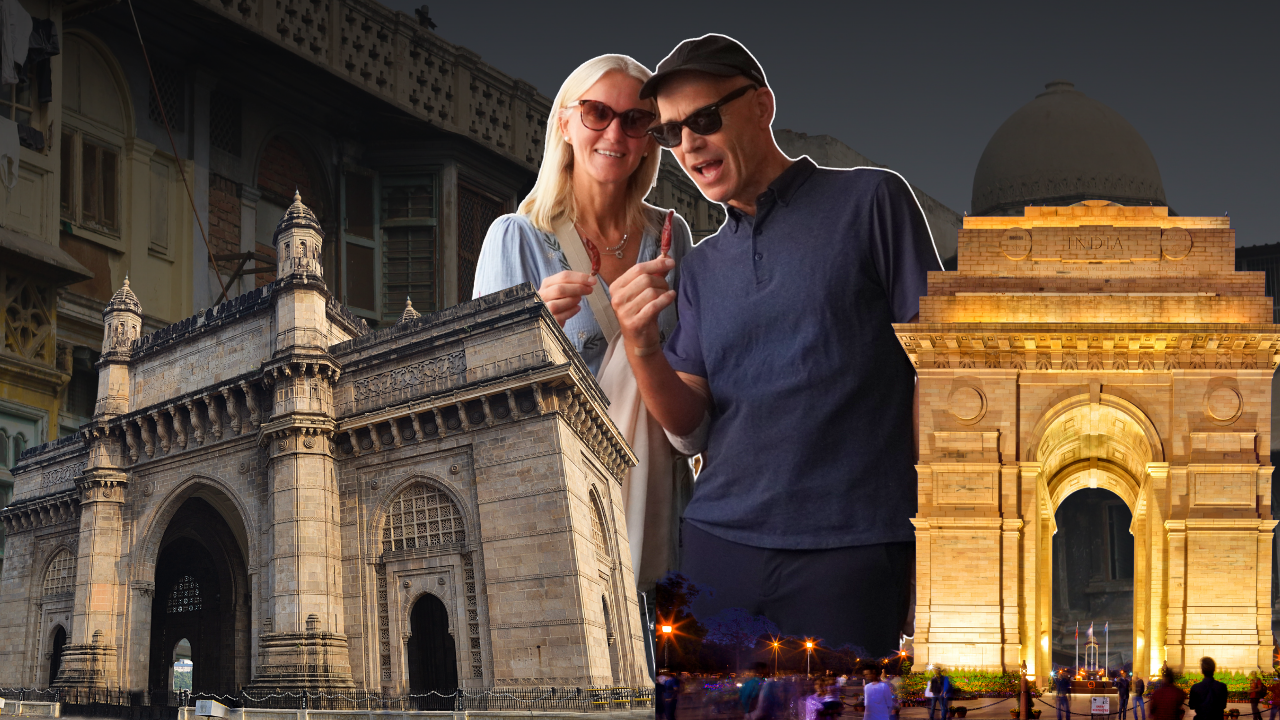
Key Takeaways
- Choose Delhi as your starting point to explore India’s iconic attractions, rich history, and the famous Golden Triangle Tour.
- Explore Mumbai to experience a more local and immersive introduction to India, with its neighborhoods, street food, and daily city experiences.
- Plan your trip to Delhi or Mumbai between October and March, when pleasant weather makes sightseeing more enjoyable.
- Explore Delhi for its forts, monuments, and historic markets, or choose Mumbai to experience vibrant coastal neighborhoods and local culture.
- Let your travel plans guide your choice. Choose Delhi for convenient connections to Agra and Jaipur, or choose Mumbai for easy access to Goa, Kerala, and western India.
Planning your first trip to India often comes down to one question: should you start with Mumbai or Delhi?
Both cities are among India’s most popular destinations, but they offer completely different experiences. While Delhi introduces you to centuries of history, grand monuments and the famous Golden Triangle, Mumbai offers a glimpse into modern India through its contrasting neighbourhoods, local trains and life by the Arabian Sea.
There isn’t a right or wrong choice. It simply depends on the kind of trip you’re looking for. This guide compares Mumbai vs Delhi to help you decide which city should be your first stop in India.
Getting Around & What You'll See
One of the biggest differences between Mumbai and Delhi is how you experience them.
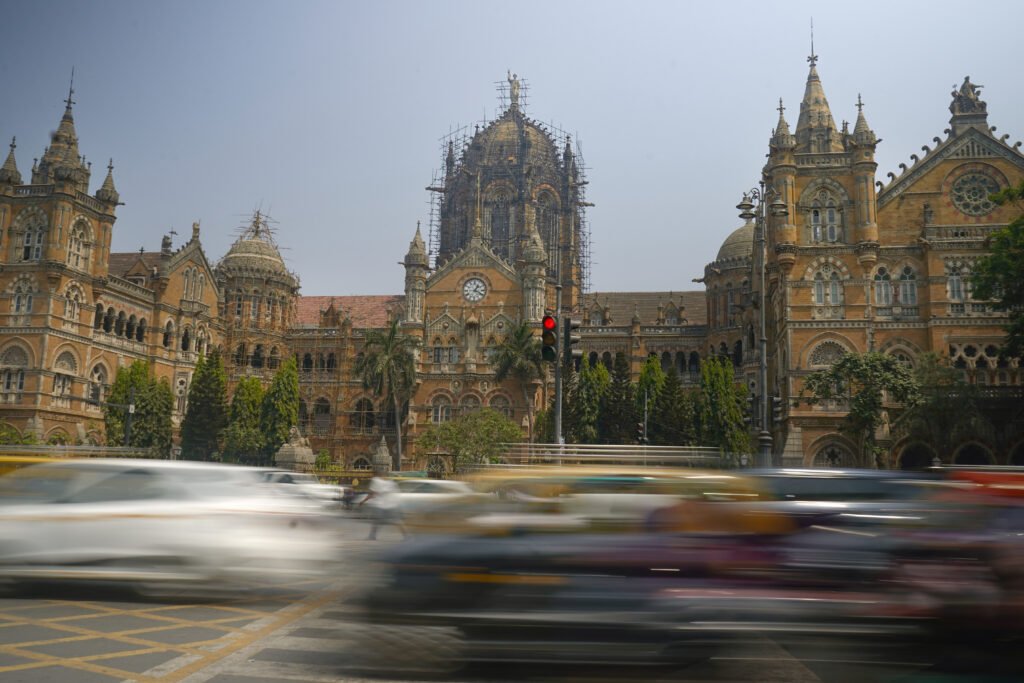
Mumbai: Walkable Neighbourhoods & Coastal Pockets
Mumbai is best explored neighbourhood by neighbourhood. Areas like Colaba, Fort and Bandra are enjoyable to walk through, with colonial architecture, cafés, markets and sea views all within easy reach. Attractions such as the Gateway of India, Chhatrapati Shivaji Maharaj Terminus (CST), Dhobi Ghat, and the ferry to Elephanta Caves naturally fit into these routes rather than feeling like isolated sightseeing stops.
Transport is part of the experience too. The city’s famous local trains are the lifeline of Mumbai, while the expanding Metro network, taxis and ride-hailing apps make it easy to move between neighbourhoods. Many visitors find that some of their favourite memories come from simply wandering the streets, stopping at a café or market, and watching the city go about its day.
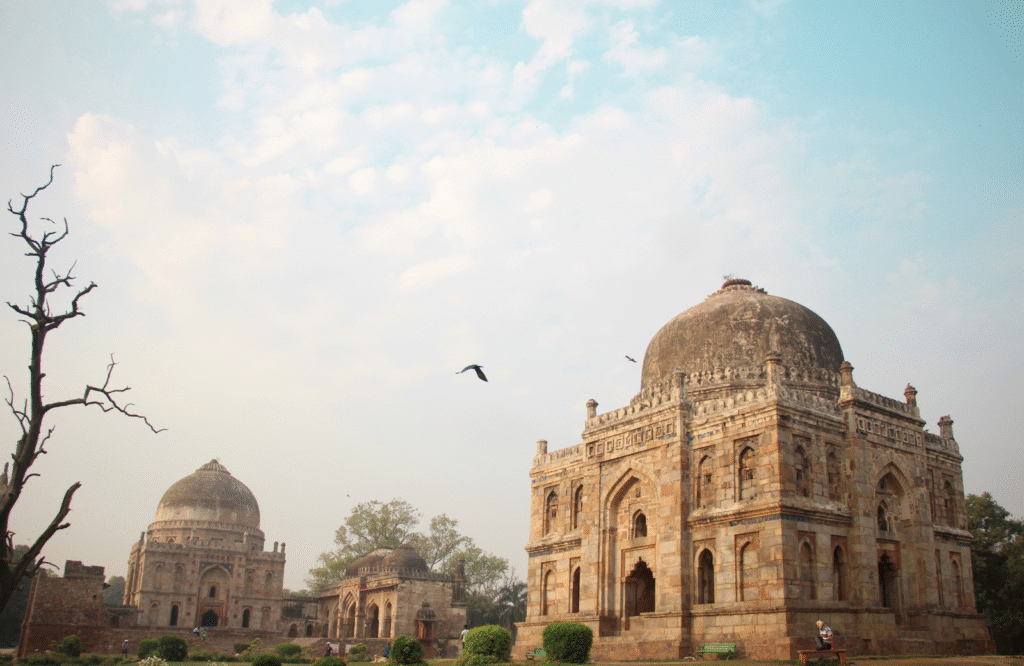
Delhi: Sprawling History & Iconic Landmarks
Delhi, on the other hand, is much larger and more spread out. Instead of exploring one continuous area, you’ll usually travel between different parts of the city to visit its landmarks. Fortunately, the Delhi Metro is one of the easiest and most efficient ways to get around, connecting many of the city’s major attractions.
A typical day in Delhi might include exploring the Red Fort and Jama Masjid in Old Delhi before heading to Humayun’s Tomb, India Gate, or Qutub Minar. Each area tells a different chapter of the city’s history, making Delhi a great choice for travellers who enjoy iconic landmarks and historical sites.
Food & Local Experiences
Food is one of the best reasons to visit either city, but each offers a very different culinary experience.
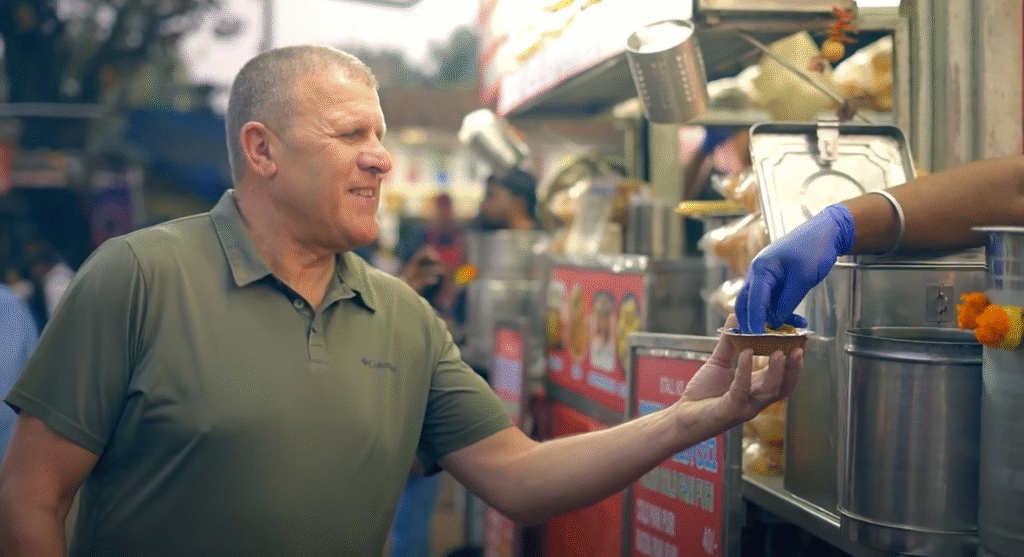
Mumbai’s street food reflects its fast-paced lifestyle and coastal location. Local favourites include vada pav (a spiced potato fritter served in a bread roll), pav bhaji (a buttery bread roll served with a spiced vegetable mash), Bombay sandwich (a layered vegetable sandwich with potato mix, along with chutneys and spices), and popular chaat dishes such as bhel puri and sev puri. You’ll also find a variety of Gujarati snacks, all commonly enjoyed on the go. Along the coast, excellent seafood is another highlight, served in everything from casual eateries to traditional restaurants.
Beyond the food itself, Mumbai is a city best experienced through its neighbourhoods. Whether you’re exploring busy markets, watching the famous dabbawalas at work, or joining a guided street food tour, you’ll get a feel for everyday life that goes beyond the typical sightseeing experience.

Delhi’s food is richer, heartier, and heavily influenced by Mughal traditions. In Old Delhi, you’ll find parathas (Indian flatbreads, often served with butter or stuffed with fillings), popular chaat dishes, kebabs (grilled or roasted skewered meat), butter chicken (chicken cooked in a rich tomato and butter-based curry), chole bhature (spiced chickpeas served with deep-fried bread), and jalebi (crispy, spiral-shaped sweets soaked in sugar syrup). Walking through the narrow lanes of Chandni Chowk is as much about discovering generations-old food shops as it is about exploring one of India’s oldest markets.
If food is a major part of your travels, neither city disappoints. Mumbai offers lighter, snack-style street food perfect for exploring on foot, while Delhi is known for bold flavours and satisfying meals steeped in history.
If you’d like to explore these flavours with a local guide, our Old Delhi Street Food Tour is a great way to experience Chandni Chowk’s iconic food lanes and discover the stories behind its famous dishes.
So, Which City Is Right for You?
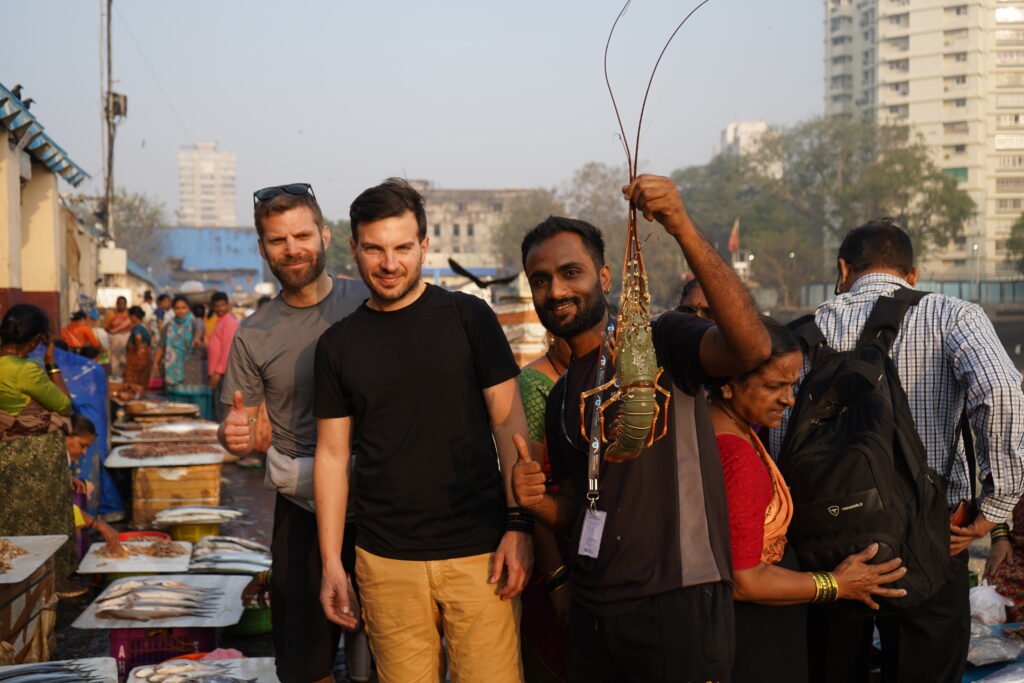
Choose Mumbai if you:
- Want to experience everyday life in India.
- Enjoy exploring neighbourhoods on foot.
- Love coastal cities and waterfronts.
- Prefer culture, food and local experiences over monuments.
- Are planning to continue to Goa, Kerala, or other parts of western and southern India.
If you’re short on time, our Mumbai Sightseeing Tours combine many of the city’s top attractions with authentic local experiences in one memorable day.
Choose Delhi if you:
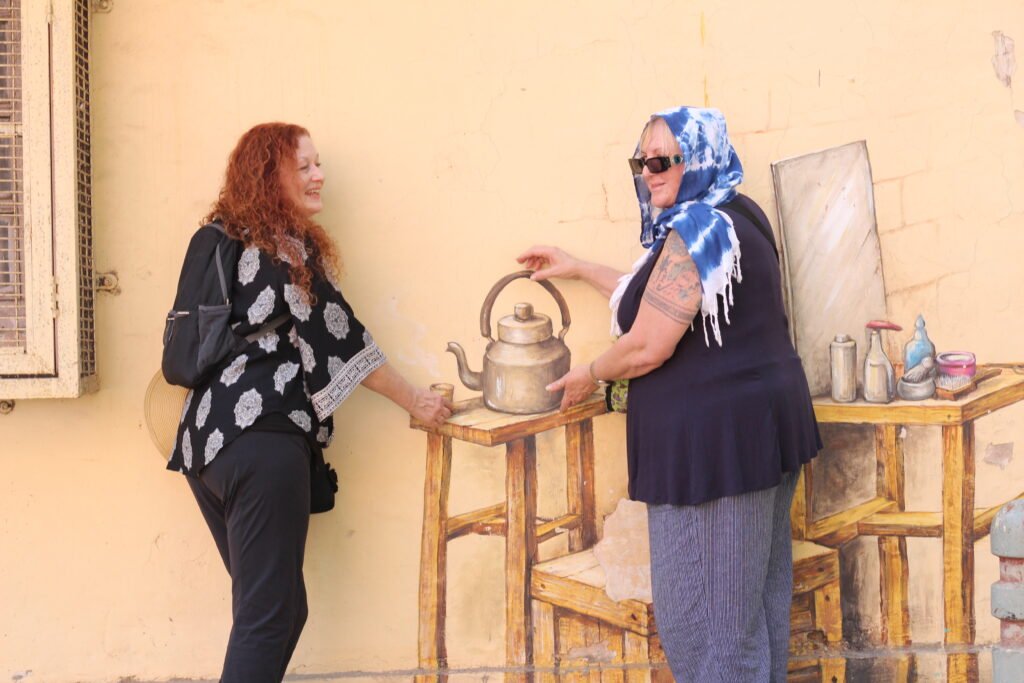
- Dream of visiting India’s iconic landmarks.
- Love history, architecture, and museums.
- Want to explore bustling old markets.
- Are planning to visit Agra, Jaipur, or Rajasthan.
- Want to begin the classic Golden Triangle route.
Weather & Practical Tips
Best Time to Visit & Climate
The best time to visit both cities is between October and March, when temperatures are generally comfortable for sightseeing.
- Mumbai enjoys a tropical climate throughout the year. Winters are warm and pleasant, while the monsoon season from June to September brings heavy rainfall — downpours can occasionally disrupt outdoor sightseeing or delay road travel, so it’s worth keeping plans flexible during these months.
- Delhi experiences much greater seasonal variation. Summers, particularly from May to June, can be extremely hot, while winter mornings are often cool and sometimes foggy. In Delhi’s winter (Nov–Jan), morning fog or smog can occasionally delay flights and sightseeing as well.
Safety & Getting Around
Both cities are generally safe for mindful travellers who take the usual precautions. Mumbai’s late-night culture means popular areas stay lively well into the evening, whereas in Delhi, planning late-night transport via app-based taxis or the Metro ensures a seamless experience.
One of the best ways to experience Mumbai beyond its famous landmarks is on our Bombay Fort Heritage Walking Tour, where you’ll explore the city’s historic streets, colonial architecture, and local stories with a knowledgeable guide.
A few practical things to know before you go:
- How long to stay: Mumbai works well as a 2–3 day base, enough time to settle into a couple of neighbourhoods properly. Delhi is more spread out and often serves as a gateway to the Golden Triangle, so 3–4 days gives you room to see the city without rushing.
- Money & connectivity: UPI and card payments are widely accepted in both cities, though it’s worth carrying some cash for smaller stalls and markets. A local SIM or eSIM is easy to arrange on arrival and makes navigating, booking rides, and staying connected far simpler.
- What to wear: Light, breathable clothing works for most of the year in both cities. If your day includes religious sites like Jama Masjid or a temple visit, it’s a good idea to carry something to cover your shoulders and knees.
Which City Fits Your India Itinerary?
Your wider travel plans can also help make the decision.
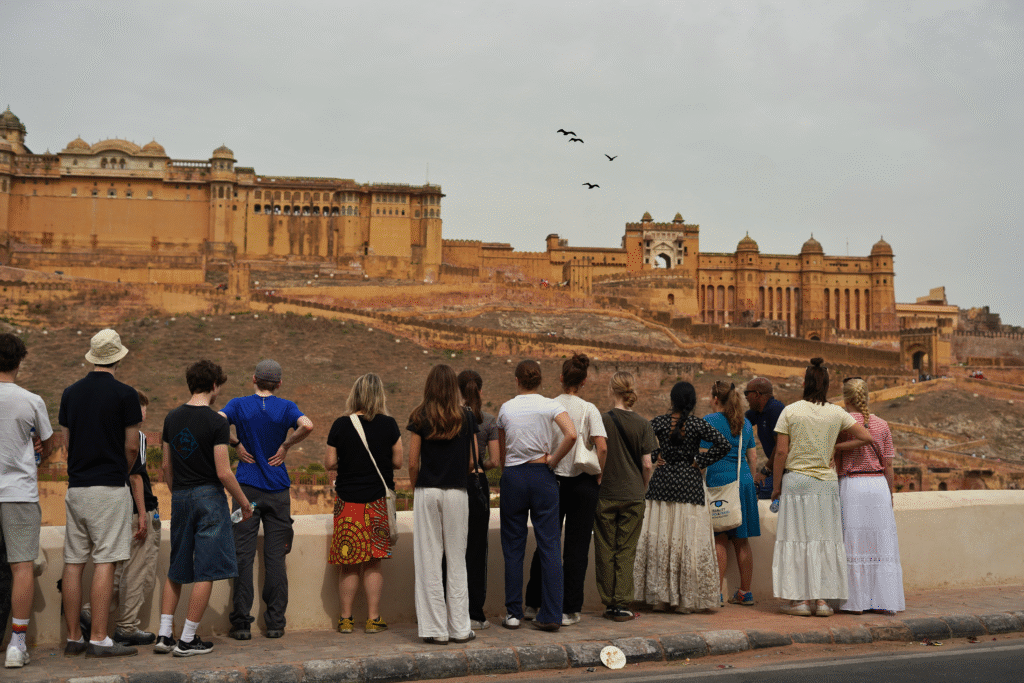
Starting in Delhi
If Delhi is your starting point, Agra and Jaipur are both easily reached by road, rail or short flights, and Indira Gandhi International Airport offers one of India’s largest networks of direct international flights — often reducing the need for domestic connections.
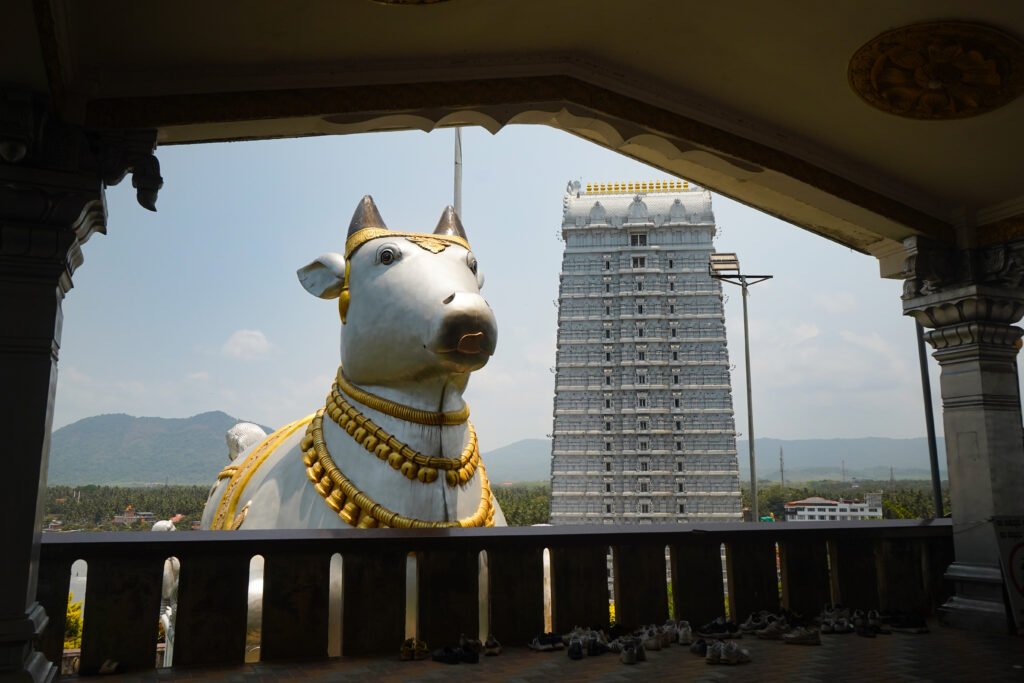
Starting in Mumbai
Mumbai, meanwhile, is a natural gateway to Goa, Kerala, and the rest of India’s west coast. Chhatrapati Shivaji Maharaj International Airport is also well connected globally, though depending on where you’re flying from, Delhi may offer more direct long-haul options.
If your itinerary includes only one city before moving on, choosing the one that best fits your onward journey can save both time and travel costs.
Final Verdict
So, which city should you visit first?
If you’re looking for India’s iconic monuments and a gateway to the Golden Triangle, start with Delhi. If you’d rather immerse yourself in local life, coastal neighbourhoods and one of the country’s best street food scenes, start with Mumbai.
The good news is that this isn’t a one-or-the-other decision. Both cities deserve a place on your itinerary—they simply offer two very different introductions to India.