Key Takeaways
- Visit Crawford Market, Mangaldas Market and Bhuleshwar Market to see Mumbai’s old trading and textile heritage.
- Explore Chor Bazaar and Null Bazaar to find antiques, vintage goods, and the historic market life of Mumbai.
- Start your morning at Dadar Flower Market or Sassoon Dock to explore the busy and authentic life of Mumbai.
- Explore Colaba Causeway, Fashion Street, and Linking Road for street shopping and the local street market experience in Mumbai.
- By visiting markets in Mumbai, you can see not only shopping but also the city’s food, business culture, and everyday life.
- Plan your market visits by time. Visit the flower and fish markets in the morning, and go to street markets later in the day when they become busier.
- Explore markets, heritage areas, food streets, and local neighbourhoods to discover a deeper side of Mumbai.
Mumbai is a city best understood through its markets. Beyond malls and modern storefronts, the city’s bazaars reveal its colonial history, trading communities, craftsmanship, street culture, and extraordinary diversity. For foreign and domestic travelers alike, exploring Mumbai’s markets is one of the most immersive ways to experience the city.
From centuries-old wholesale markets to street shopping hubs, fishing docks, and artisan communities- Mumbai offers far more than retail therapy- it offers stories.
This guide explores Mumbai’s most iconic markets, carefully categorized by experience, so you can discover the best places for shopping, culture, food, and hidden gems without repetition.
Best for Wholesale Shopping
Crawford Market (Mahatma Jyotiba Phule Mandai)
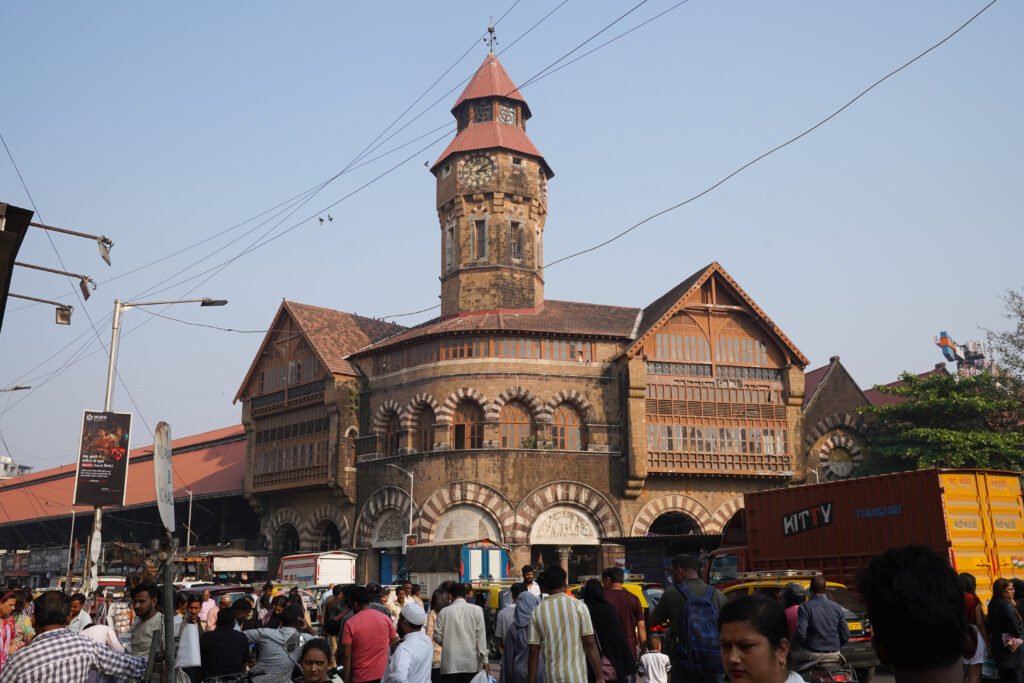
Built in 1869 during British rule, Crawford Market is one of Mumbai’s most iconic heritage markets. Originally designed as a wholesale fruit and vegetable market, it remains a major commercial center today.
Fun fact: Crawford Market is generally considered to be the first building in India to have electricity.
Travelers can explore fresh produce, spices, imported foods, pets, home décor, and festive items under one historic roof.
Since this market sits at the heart of the city’s heritage district, you might also enjoy learning about the Mumbai Fort Area to discover the colonial history surrounding these stalls.
Mangaldas Market
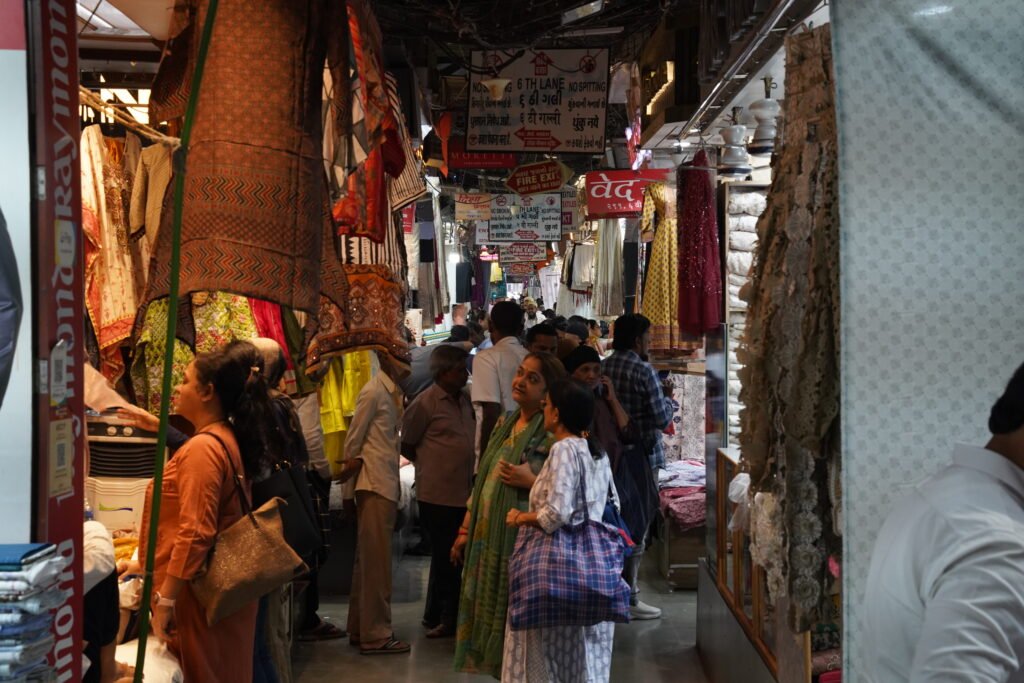
Mangaldas Market has been Mumbai’s textile powerhouse for generations, attracting designers, tailors, wedding shoppers, and fabric enthusiasts from across India. Known for its endless rows of fabric wholesalers, it offers everything from cotton and silk to embroidered bridal materials.
This market is especially appealing to travelers interested in Indian fashion, custom tailoring, or understanding the city’s garment trade. It reflects Mumbai’s long history as a major hub for the textile trade.
Bhuleshwar Market
Bhuleshwar Market is one of Mumbai’s busiest traditional wholesale and retail districts, known for textiles, imitation jewelry, religious goods, festive decorations, and wedding essentials. For years, people have come here to buy textiles, jewelry, festive goods, and household items at wholesale prices.
Tip: Don’t forget to pair your shopping experience with cultural food since Bhuleshwar market offers food pockets with classic Mumbai snacks.
If you find yourself overwhelmed by the choices, our ultimate food guide for travelers breaks down the must-try dishes and flavors of Indian cuisine you’ll encounter in India.
Best for Antiques & Vintage Finds
Chor Bazaar
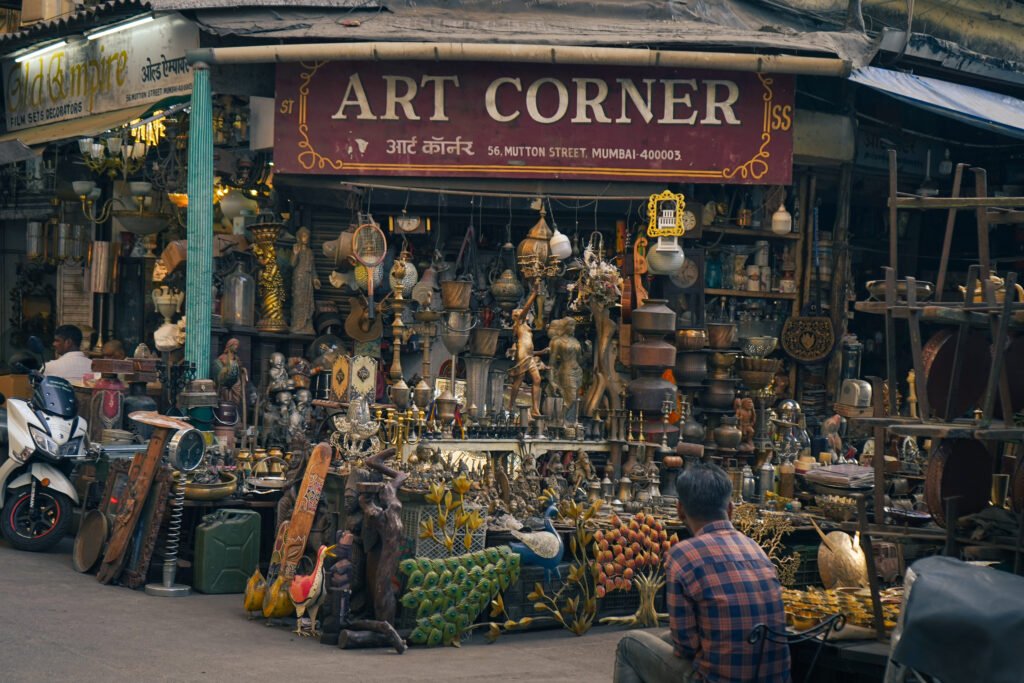
Dating back over 150 years, Chor Bazaar is one of India’s most famous flea markets and was historically known for second-hand goods and stolen property myths—hence its nickname, “Thieves Market.” Others say that it was originally Shor Bazaar, meaning ‘noisy market’, but ‘shor’ became chor because of how the British mispronounced the word.
Today, it is better known for antiques, vintage décor, Bollywood posters, old cameras, and reclaimed furniture. It is especially appealing to collectors, photographers, and travelers looking for unique souvenirs.
Null Bazaar
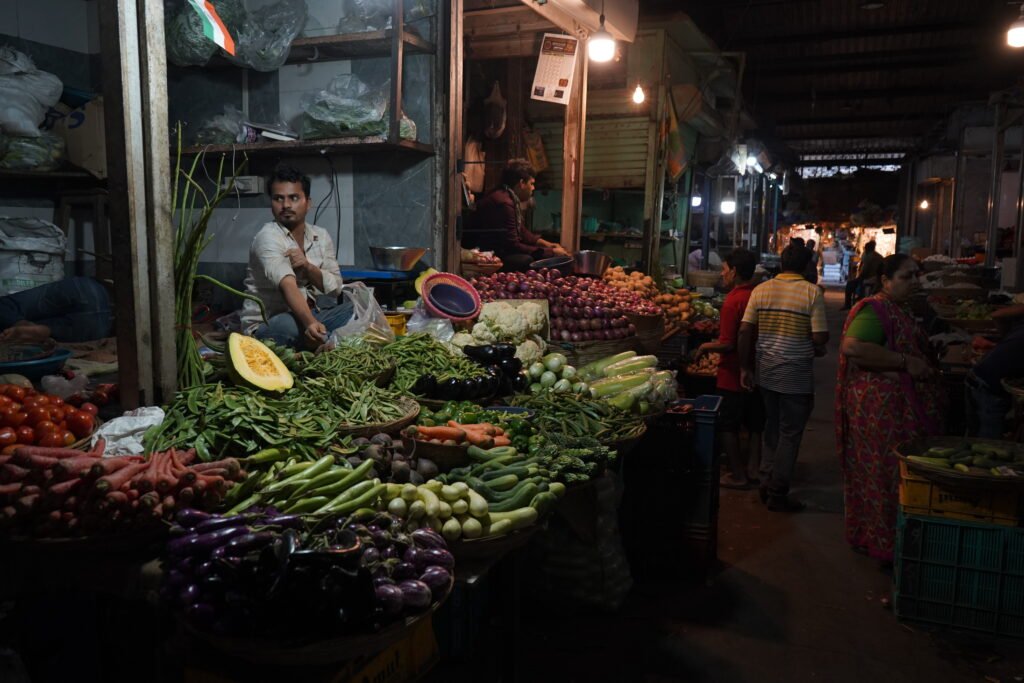
Null Bazaar has long been a key commercial area serving Mumbai’s traditional trading communities, particularly Muslim merchants and hardware dealers. While less touristy than Chor Bazaar, it offers a fascinating glimpse into old-market Mumbai with a blend of metal goods, antique fragments, and historic architecture.
Its surrounding Bohri neighborhoods also enrich the experience with food culture and heritage.
Zaveri Bazaar
Established as India’s jewellery epicenter, Zaveri Bazaar is one of the world’s largest precious metal and gemstone trading markets. For generations, it has served as Mumbai’s heartbeat for gold, silver, and diamond commerce.
Even if you’re not buying jewellery, Zaveri Bazaar offers a unique look into India’s traditions, craftsmanship, and trade.
Best for Food & Sensory Experiences
Dadar Flower Market
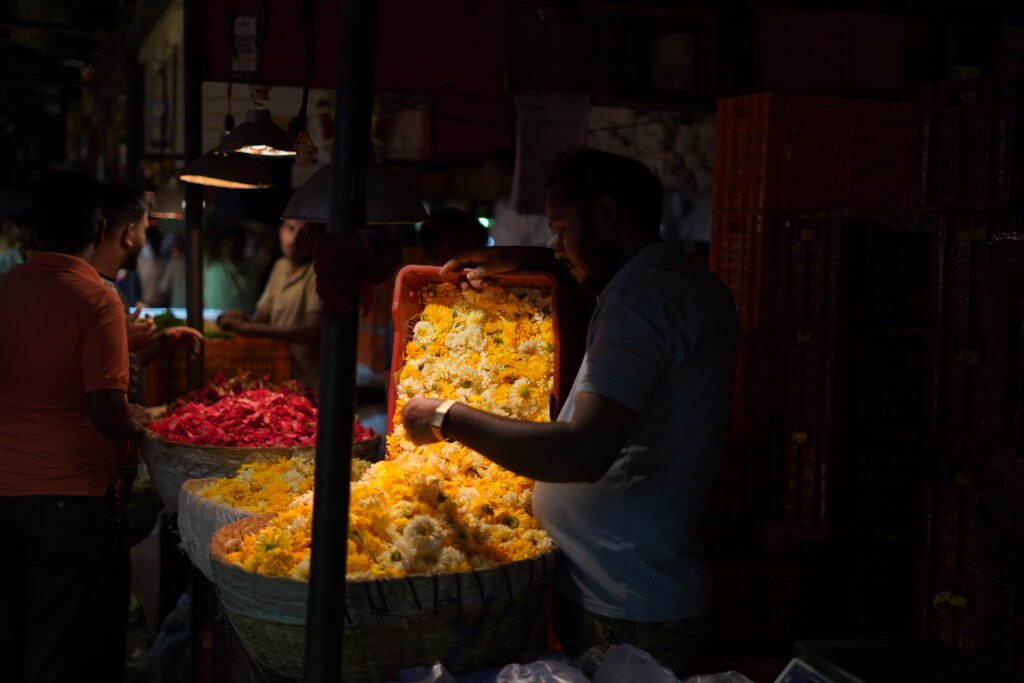
Operating before sunrise, Dadar Flower Market is one of Mumbai’s most colorful and photogenic wholesale markets. It plays a vital role in supplying flowers for temples, weddings, festivals, and daily religious rituals.
The colorful displays of marigolds, roses, jasmine, and lotus flowers make it a vibrant and memorable experience. For photographers and cultural travelers, this market offers one of Mumbai’s most authentic morning scenes.
Sassoon Dock Fish Market
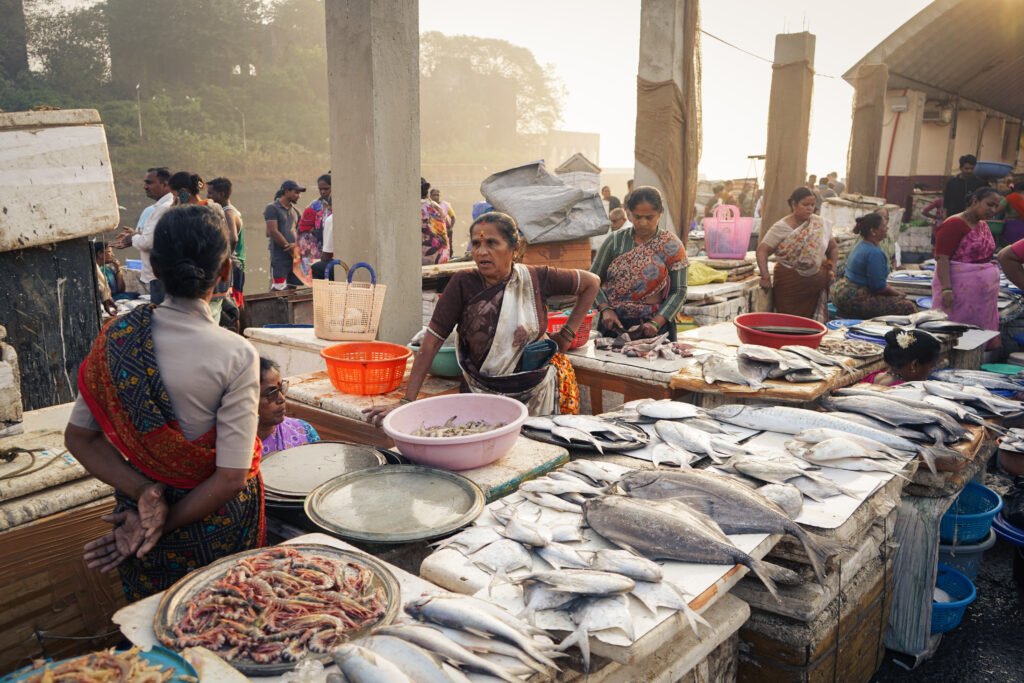
Built in 1875, Sassoon Dock is one of Mumbai’s oldest docks and remains central to the livelihoods of the indigenous Koli fishing community. It is among the city’s most intense yet fascinating marketplaces.
Visitors can witness large-scale seafood auctions, traditional fishing culture, and the daily rhythms of Mumbai’s coastal economy. Though chaotic, it provides unparalleled insight into one of the city’s oldest professions.
For those who want to see these coastal rhythms alongside other major landmarks, you can explore our top 5 Mumbai sightseeing tours to find the perfect guided experience.
Best for Street Shopping
Colaba Causeway
Often called Mumbai’s most famous street shopping destination, Colaba Causeway developed during the colonial era and today remains a vibrant mix of fashion stalls, handicrafts, jewelry vendors, and souvenir shops.
Located near landmarks like the Gateway of India and Leopold Café, it’s particularly popular with international travelers looking to combine sightseeing with shopping.
Many visitors choose to combine Colaba Causeway with our Mumbai Sightseeing Tours to explore the city’s famous landmarks, vibrant neighbourhoods and local culture in a single day.
Fashion Street
Established decades ago opposite Mumbai’s Oval Maidan, Fashion Street has become a legendary shopping zone for affordable clothing and accessories. With over a hundred stalls, it is especially popular among students, backpackers, and budget-conscious travelers.
Here, you’ll find trendy clothes, shoes, bags, and surplus fashion at negotiable prices. While quality can vary, skilled bargaining can lead to excellent deals, making it one of Mumbai’s best budget shopping experiences.
Linking Road, Bandra
Linking Road in Bandra is one of Mumbai’s most popular shopping stretches, famous for its lively mix of street stalls, branded outlets, footwear stores, and trendy fashion boutiques.
Over the years, it has evolved into a favorite destination for both locals and tourists seeking affordable fashion, accessories, bags, and footwear, all while experiencing the youthful energy of Mumbai’s western suburbs.
See More of Mumbai
Explore Mumbai’s iconic landmarks, vibrant markets and hidden gems with local guides.
Essential Tips for Exploring Mumbai Markets
Bargaining
Street markets like Colaba Causeway and Fashion Street expect negotiation, while wholesale and specialty markets may have more fixed pricing.
Best Time to Visit
- Early morning: Dadar Flower Market, Sassoon Dock
- Afternoon: Wholesale markets
- Evening: Street shopping markets
Safety Tips
- Keep valuables secure
- Wear comfortable footwear
- Carry cash and digital payment options
- Stay hydrated
Transport
Mumbai’s local trains, taxis, and guided tours often provide the easiest access to these markets.
To help you organize your time between these bustling bazaars and the city’s major landmarks, you can check out our complete guide to Mumbai Darshan to help plan your sightseeing more efficiently.
Final Thoughts: Discover Mumbai Through Its Markets
Mumbai’s markets are far more than places of commerce—they are living cultural landscapes that tell the story of the city’s people, communities, and evolving identity. From iconic bazaars and street shopping hubs to hidden artisan neighborhoods and historic trading quarters, each market offers a unique perspective on Mumbai’s layered character.
Whether you’re shopping for textiles, antiques, flowers, seafood, or handmade goods—or simply seeking meaningful cultural experiences—Mumbai’s markets provide one of the richest ways to understand the city. Whether you explore on your own or prefer a guided Mumbai markets tour, having a clear plan ensures you don’t miss the hidden stories behind these historic stalls.
In a metropolis known for its speed and scale, these markets remain spaces where history, heritage, and humanity continue to thrive—making them essential for anyone who truly wants to experience the real Mumbai.