Key Takeaways
- Arrange your visa before planning your trip. Check whether you qualify for an Indian e-Visa, apply ahead of time, and review the latest requirements before booking your trip.
- Travellers can enjoy India more by visiting a smaller number of destinations and spending longer in each location for a more meaningful travel experience.
- Build your itinerary around your travel style. Whether you’re interested in history, food, culture, or local communities, focus on your interests rather than trying to visit every famous landmark.
- Digital payments, ride-hailing services, food delivery apps, and online transport booking have made travel more convenient and accessible.
- Travellers should keep some free time in their travel plan, because local discoveries, cultural events and last-minute recommendations often create the most memorable parts of a first trip to India.
- Rather than expecting one uniform culture, explore each region of India as it has its own culture, cuisine, language, architecture, and pace of life.
India has a way of capturing people’s imagination long before they arrive.
Maybe it’s the Taj Mahal, the colourful streets of Jaipur, the backwaters of Kerala, the spiritual air in Varanasi, the greenery in North-East India, or the chaos and charm of Mumbai. Whatever sparked your interest, planning your first trip to India can feel equal parts exciting and completely overwhelming.
Here’s the honest version — something you might want to read just before booking the flights!
Sort Your Visa Before You Sort Anything Else
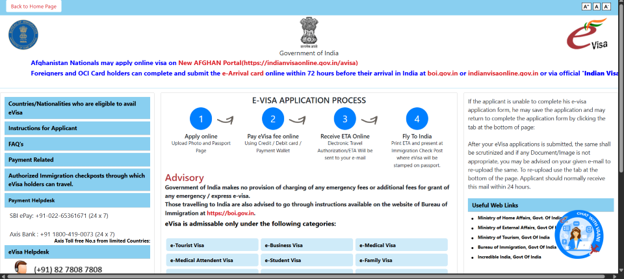
Before you compare flights or when you are about to start itinerary planning, check the visa requirements for your nationality. Many international travellers can apply for an e-Visa online, which has made the process much easier than it used to be. Requirements do change, so verify the latest official information and apply well ahead of your travel date.
Site for applying for a visa or checking information related to a visa: Click here
Once that’s done, you can get to the fun part — figuring out where to go. Which brings us to the single most common mistake first-timers make.
Don't Try to See All of India
Most first-time visitors arrive with an itinerary that reads something like:
Delhi → Agra → Jaipur → Varanasi → Mumbai → Goa → Kerala. Two weeks.
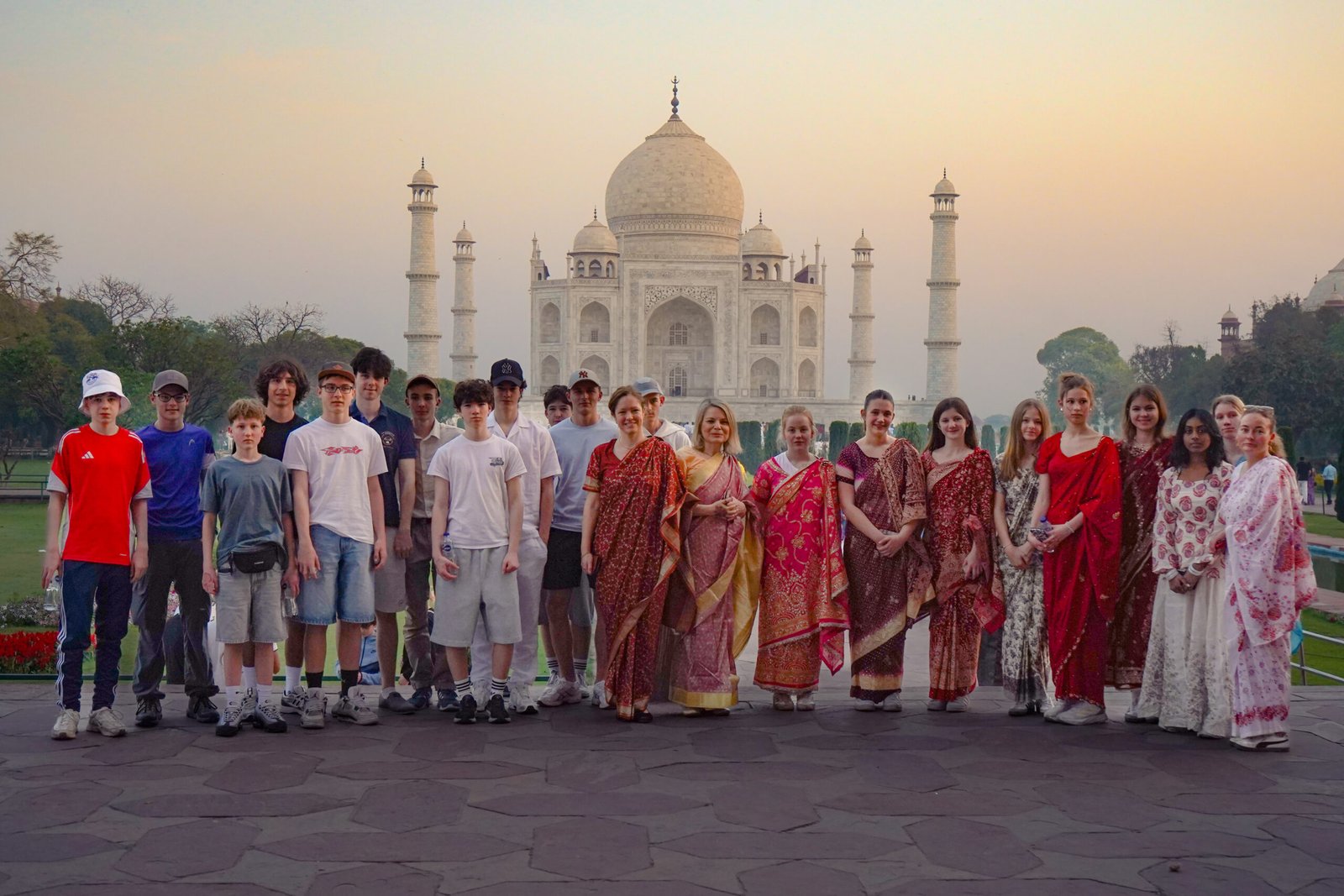
It looks perfectly achievable on a map. In practice, you spend the trip checking out of hotels, catching trains, and navigating airports — with roughly forty-five minutes to actually look at the Taj Mahal before rushing to the next destination.
India is not a country that rewards rushing. It punishes it.
The travellers who come back with the best stories are seldom the ones who covered the most ground. They’re the ones who stayed somewhere long enough for it to surprise them — found a neighbourhood no one recommended, ate somewhere without a TripAdvisor review, had a conversation that went on longer than expected.
Choose fewer places. Stay longer. You’ll see less of India and experience far more of it. If you prefer a structured route for your first visit, explore our Golden Triangle Tour Itinerary.
It's Also Much Bigger Than You Think
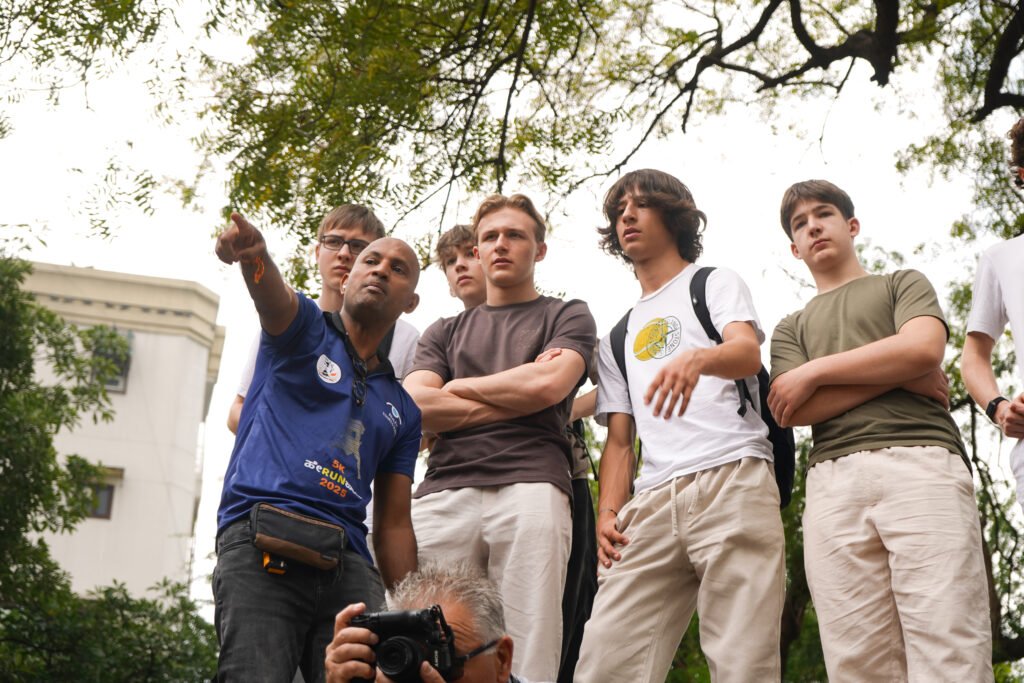
Part of why people over-plan is that they genuinely underestimate India’s scale.
The country stretches over 3,000 kilometres from north to south. Rajasthan and Kerala share a country but almost nothing else — different languages, different food, different architecture, different pace of life entirely. Mumbai and Delhi are both enormous Indian cities that feel nothing like each other.
Think of India less as a single destination and more as several countries that happen to share a border. That shift in thinking alone will help you build a more honest itinerary.
If you are still deciding where to begin your itinerary, read our guide: Where to Go in India: Choosing the Right Itinerary for Your Travel Style.
Ask Yourself What You Want to Feel, Not Just What You Want to See

Most people start planning by asking: Which cities should I visit?
A better question is: what kind of experience am I actually after?
Someone who wants to understand India’s history will have a completely different trip from someone who wants to eat their way across the country — and both will have a different trip from someone who wants to spend time in communities that rarely appear on tourist maps.
The landmarks are worth seeing. But the most memorable moments from first trips to India are rarely the monuments. They’re the things that happened around them — the conversations, the markets, the ordinary evenings that somehow became the highlight of the trip.
Build your itinerary around what you want to feel. The destinations will follow.
To explore India beyond landmarks, read our blog: More Than Just Monuments: Why Our Multiday Tours Help You See (and Feel) the Real India.
India Is Far More Digital Than You're Expecting
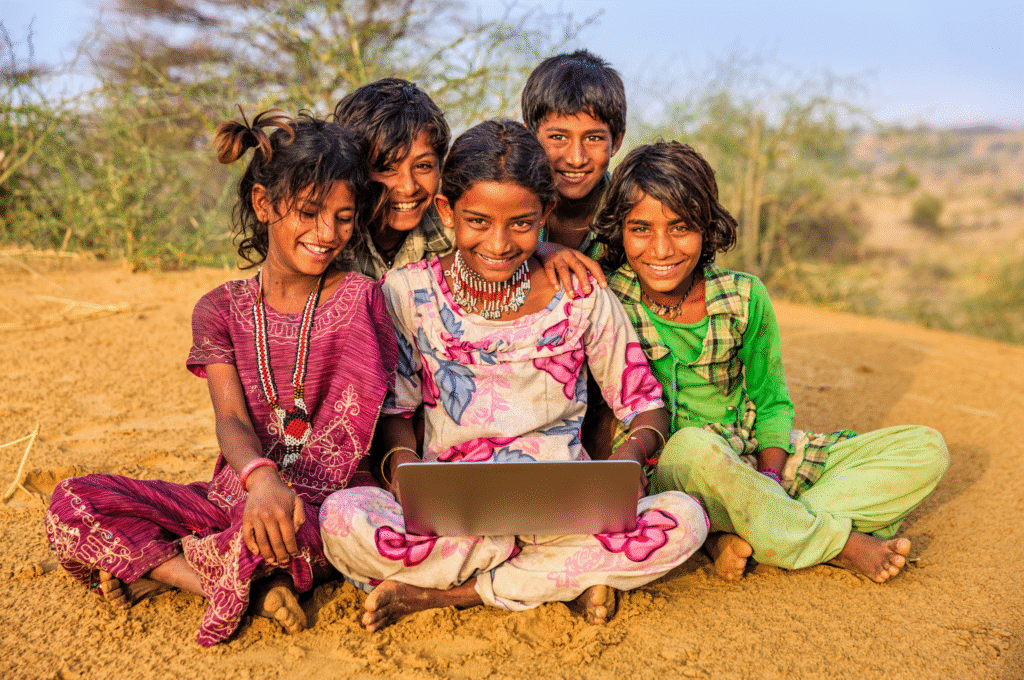
This one catches almost every first-time visitor off guard — in the best possible way.
India’s Unified Payments Interface (UPI) has transformed daily transactions across the country. From upscale restaurants to street food stalls, you’ll find QR codes everywhere. Cash still matters, particularly in smaller towns and rural areas, but the assumption that India runs on cash is increasingly outdated.
Getting around is easier, too. Uber and Ola operate across major cities, removing the need to negotiate fares on every auto-rickshaw ride — something that used to eat a surprising amount of energy. Food delivery apps like Swiggy and Zomato work reliably in most cities if you need a meal sent to your hotel after a long day. Train bookings, flight management, and schedule tracking are all handled smoothly through apps like Ixigo and the official railway platforms.
The India of ten years ago required considerably more patience to navigate. The India of today is, logistically speaking, more manageable than most first-timers expect.
For more practical travel advice, read our blog on Useful Apps to Help You Make the Most of Your Trip to India.
Note: While UPI is omnipresent, international visitors usually need to sign up for a specialised tourist UPI wallet app upon arrival to link it to their foreign passports/cards.
Leave Room for the Unexpected — Genuinely
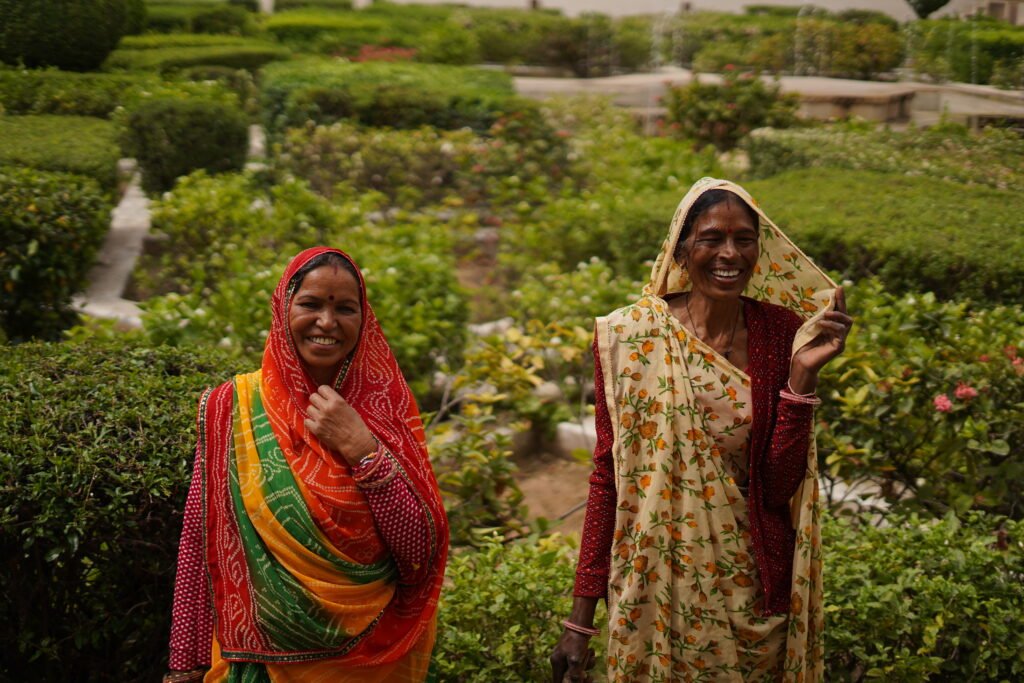
Every experienced Indian traveller will tell you this, and it still doesn’t fully land until you’re there.
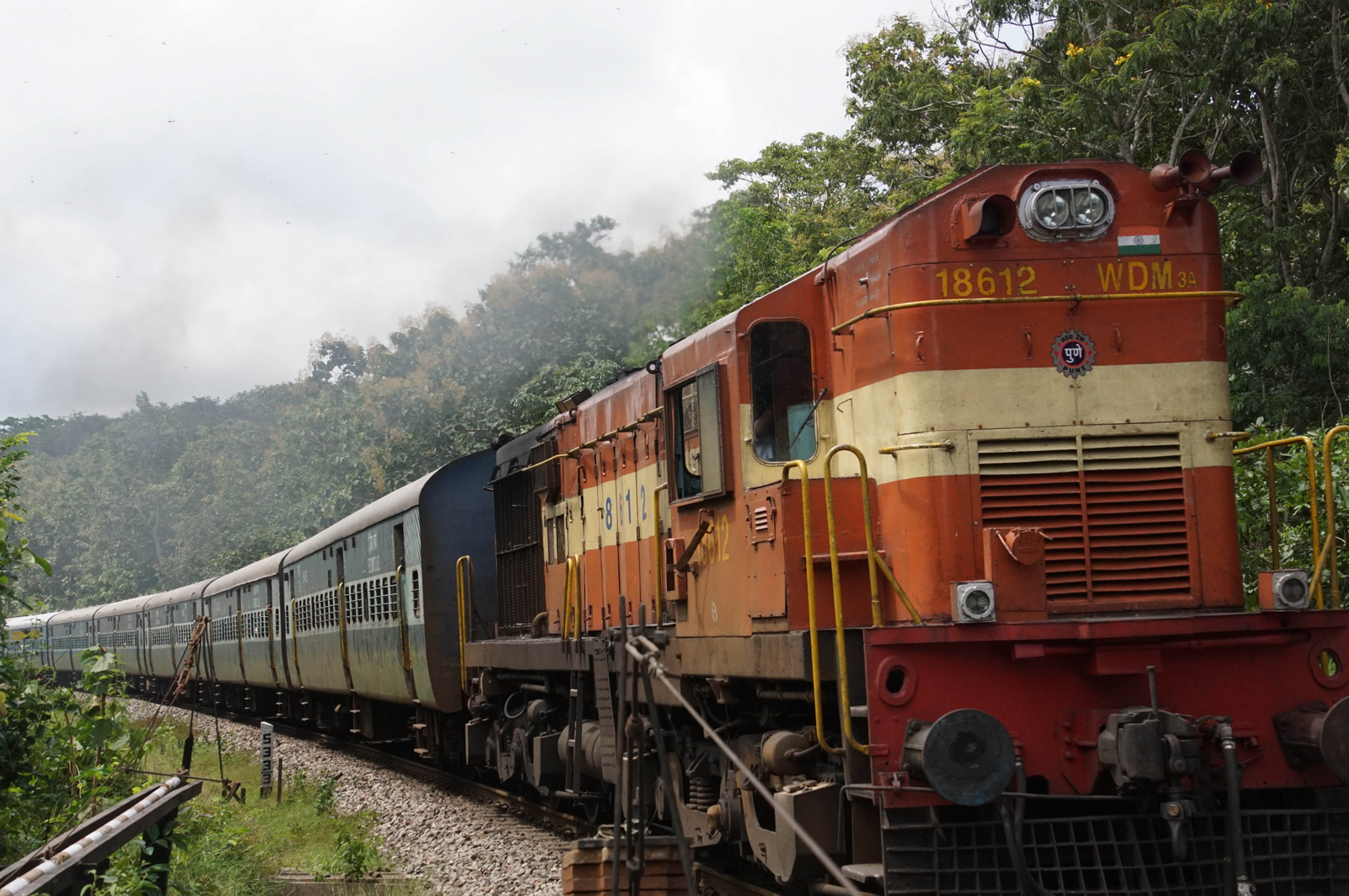
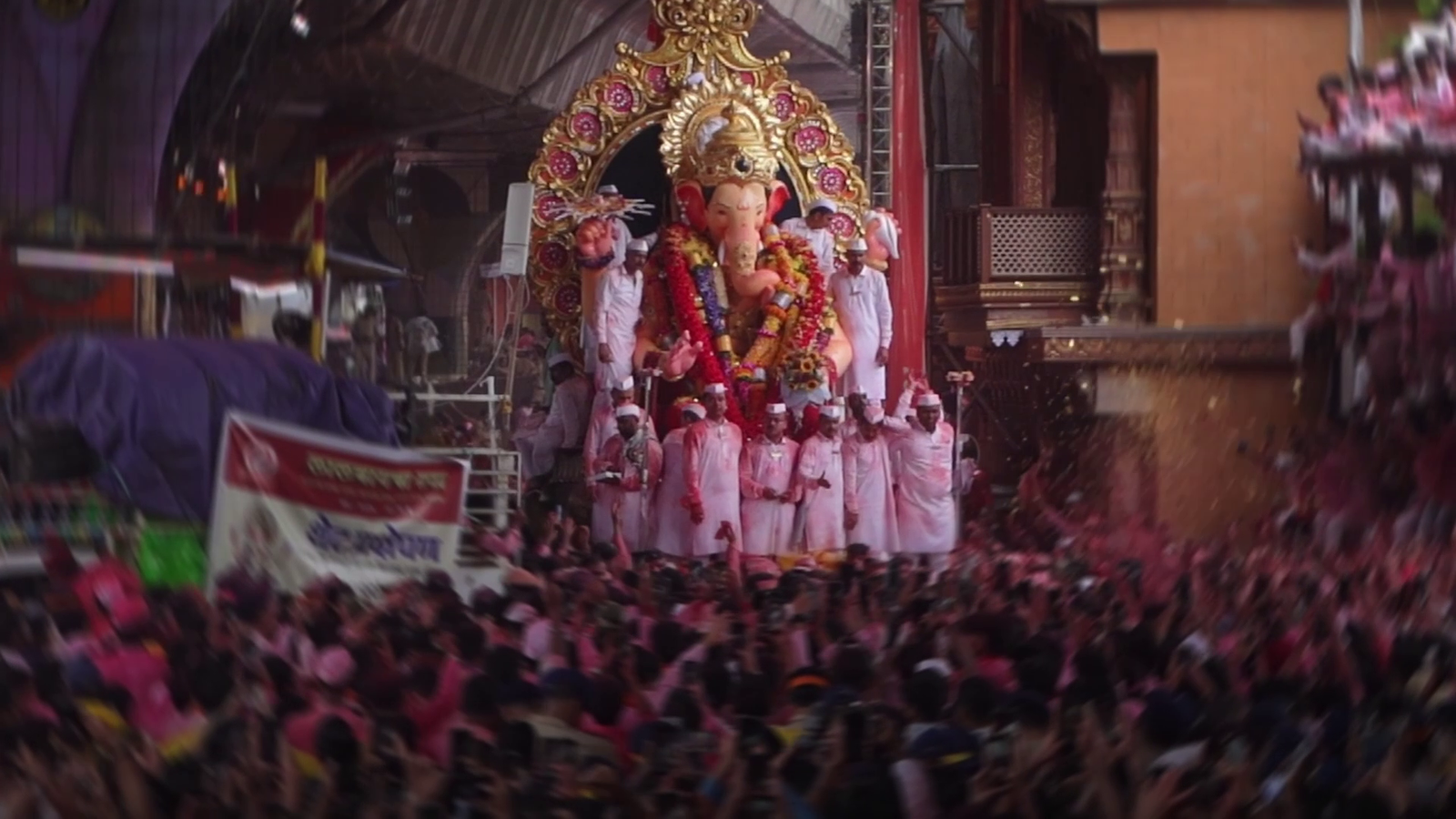
No matter how well you plan, India will take the itinerary and do something unexpected with it. A train delay drops you in a town you’d never heard of, and it turns out to be the most interesting afternoon of the trip. A local recommendation leads to a place with no online presence. A festival appears with no warning and completely changes the energy of a city.
The travellers who struggle most in India are the ones with no flexibility — every hour accounted for, every meal pre-booked, every minute of downtime eliminated in the name of efficiency. India doesn’t work like that, and fighting it is exhausting.
Build breathing room into your schedule. Not because things will go wrong — though sometimes they will — but because the best parts of travelling in India almost always happen in the unplanned spaces.
What India Is Actually Like (Versus What You're Probably Expecting)
What most people expect | What they usually find |
Cash only, everywhere | Digital payments are widely accepted in cities and tourist areas |
One trip covers most of it | Most travellers see a fraction — and wish they’d stayed longer |
One unified culture | Every region feels like a different country |
Difficult to get around | Modern apps and transport have made it far more manageable |
A language barrier | English is widely used in tourism and urban areas |
India still surprises people. Just not always in the ways they anticipated.
Come Curious. The Rest Follows.
The travellers who get the most out of India are rarely the most prepared. They’re the most open.
Yes — do your research. Get your visa sorted. Build a sensible itinerary. Know roughly where you’re going. But hold it all loosely, because India has its own ideas about how a trip should go, and those ideas are usually better than yours.
The monuments are worth seeing. The food is worth eating. The history is worth understanding.
So plan your trip. Then leave a little room for India to plan it back.
Experience India beyond the tourist trail with our local-led tours. Our tours help first-time visitors discover the real India through its people, culture, history, and communities. Browse our guided tours across Mumbai and other destinations to start planning your journey.
FAQs
Yes, make sure you're eligible for an e-Visa before you book flights or build your itinerary. Most international travellers can apply online, but the rules change from time to time, so always check the latest official information before you apply.
Most first-time visitors try to see too much in two weeks. Choose fewer places so you can enjoy each one properly. You'll visit fewer places but enjoy India much more.
You can pay with UPI almost everywhere; just scan the QR code and you're good to go. Once you arrive, set up a tourist UPI wallet and link it to your passport or international card. Keep some cash with you for smaller towns and rural areas where UPI isn't common.
Take an Uber or Ola to get around, order food on Swiggy or Zomato, and book trains or flights with Ixigo or official railway apps.
India is full of surprises. A train delay, local recommendation, or a festival can turn into the best part of your trip. Don't pack every hour of your trip. Leave some free time so you can enjoy unexpected moments.